

Exercise can’t make up for a poor diet, but it can help change eating habits. Regular exercise improves the brain and cognitive processes that help regulate junk food consumption and reduces stress.
Articles on Diet
Displaying 361 - 380 of 845 articles
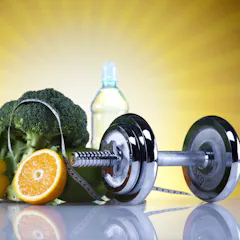
Over half of people who intend to make healthy lifestyle changes fail to do so. Understanding the automatic tendencies that prevent people from enacting a new health habit can help them stick to it.
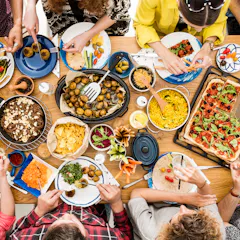
As new year’s resolutions start pouring in, you may want to reconsider a plant-based diet if your motivation is health.

Polar bears are being forced to adapt their feeding habits due to climate change – so reports of summer scavenging, foraging and terrestrial hunting are unsurprising.
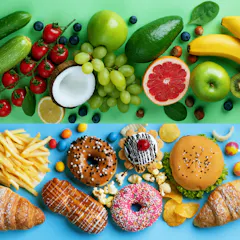
In almost every way, one cheeseburger does not equal six apples. With the goal of optimal health in mind, a calorie is not a calorie is not a calorie.

Ever eaten that last slice of pizza, even though you’ve had enough? Or polished off kids’ leftovers, despite already feeling full? Here’s what’s happening and how to fix it.

Many secondary school pupils regularly skip breakfast.
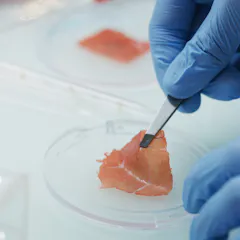
Technological advancements in food production have created new ways to meet the growing demand for protein. Canada’s investment in this industry may create jobs and reduce carbon emissions.
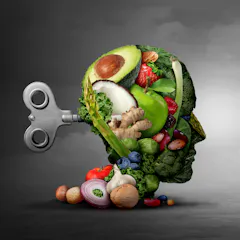
Ultra-processed foods high in sugar, fat and empty carbs are bad for the mind as well as the body. Lack of micronutrients affects brain function and influences mood and mental health symptoms.
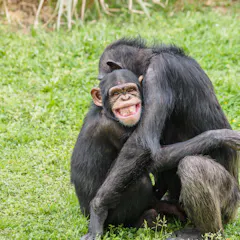
We studied 8,000 primate teeth and finally confirmed that humans are not the only living primate to suffer from cavities. But there are interesting differences.

The average amount of meat a person ate each year worldwide increased from 29.5kg in 2000 to 34kg in 2019. But there are some surprising differences between nations, including Australia and NZ.

Rates of obesity and eating disorders like anorexia and bulimia both surged among young people over the past two years. Scholars explain why, and how parents can support kids dealing with body shame.

We found a greater risk of heart disease with saturated fats from red meat and butter – but a lower risk with saturated fats from cheese, yoghurt and fish.

Conservation programs can give baby animals the best chance of surviving in the wild by feeding them tough foods, which studies of rats suggest makes their skull bones thicker and tougher.
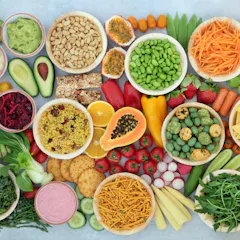
We found that vegan and vegetarian diets cost a third less than current high-meat, high-dairy diets many people follow.
New research dispels the myth that gut bacteria causes autism. Rather, changes in the gut bacteria of some people with autism are driven by restricted diets or ‘picky eating’.
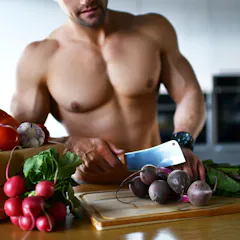
Attempting to counter the “soy boy” stereotypes, hyper-masculine influencers could be making harder for men to become vegan.

A study of over 1,000 children in rural Oklahoma found that social and emotional health may be just as important as diet and exercise in reducing child obesity.

Life-extension therapies may be coming sooner than you think.
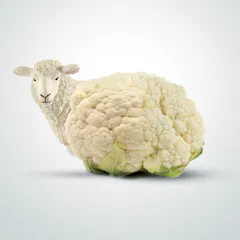
But the national goal of cutting meat intake by 30% over the next ten years is likely to be missed.
Top contributors
-

Laureate Professor in Nutrition and Dietetics, University of Newcastle
-
Program Director of Nutrition and Food Sciences, Accredited Practising Dietitian, Adelaide University
-
Professor of Community Health and Wellbeing, The University of Queensland
-
Honorary Associate Professor, University of Leicester
-
Professor of Genetic Epidemiology, King's College London
-
Accredited Practising Dietitian and Lecturer, Southern Cross University
-
Associate Professor, Deakin University
-
Senior Lecturer, Nutrition and Food Science, Australian Catholic University
-
Clinical Trials Director, Department of Endocrinology, RPA Hospital, University of Sydney
-
Professor of Public Health Policy, Deakin University
-
Associate Professor of Gastroenterology, School of Medicine, University of Washington
-
Programme Lead Nutrition and Health, Edge Hill University
-
Associate Professor of Medical Education, University of Nottingham; University of Lincoln
-
Former Lecturer in Nutrition and Dietetics, King's College London
-
Professor, School of Medical, Indigenous and Health Sciences. Advanced Accredited Practising Dietitian, University of Wollongong