
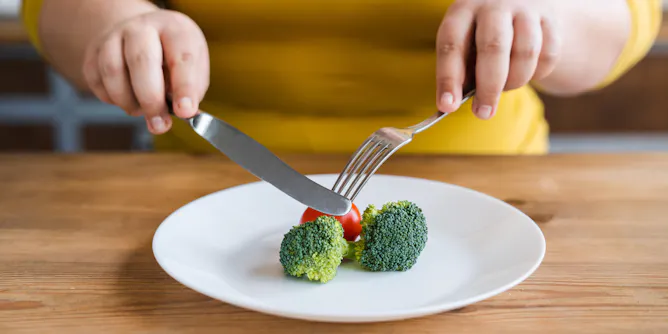
Slow, gradual weight loss is more advantageous for your health in the long run.
Articles on Diet
Displaying 221 - 240 of 845 articles
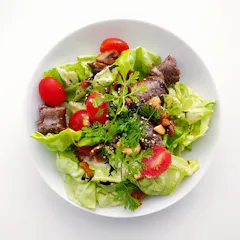
You’re not alone if you find salads and vegetables bitter to taste. The good news is our taste buds adapt after time.

Don’t believe the hype about products claiming they can help you live longer. Here are five lifestyle changes to prioritise instead.

Children have an innate preference for fruit. But vegetables are just as important. Here are some tips if your kids don’t want to eat their veggies.

The holidays can disrupt healthy lifestyle habits, like nutrition and exercise routines. Here’s how to enjoy the season without derailing your physical or mental health.

You likely know that the sight and smell of food can trigger cravings. But internal cues from your gut and your brain play just as important a role in the decisions you make around food.

Food-focused celebrations like Christmas can be very stressful for parents of children who can’t eat everything.

When we change our diet, we disrupt our appetite hormones. Here’s how it works – and how small changes to our diet can help us feel fuller for longer.

Ginger, a staple spice in this Christmas confection, may help reduce the risk of colds and help with digestion.

Lifestyle-related dementia risks are complex, with factors like sleep, exercise, diet and social contact interacting with things like cognitive reserve, neuroplasticity and inflammation in the body.
As kids, we’re naturally more likely to enjoy sweet and salty tastes and reject bitterness. But that changes as we grow older.

There are a number of ways to ‘detox’. But do they work? And are they safe?

Our new study analysed the packages of around 8,000 food and drink products to understand the marketing techniques used.

A nutritionist breaks down the health-giving benefits of various salad leaves.

When we reach adulthood, protein requirements differ for men and women. But should you be eating more as you get older?
A new study suggests that adding salt to your food at the table is linked to an increased risk of type 2 diabetes. But caution is needed.

Ads for targeted fat loss, especially
for belly fat, are everywhere on social media. But is there any evidence to support this type of ‘spot reduction’?
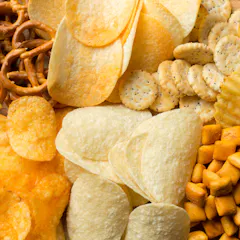
Eating too much salt is bad for our health. Governments and food manufacturers have a big role to play in reducing the salt content of Australians’ diets.
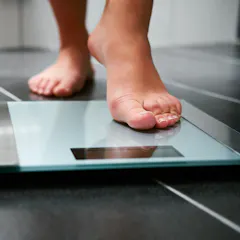
Like most weight-loss programs, the OMAD diet makes bold promises – and comes with risks.

People with diabetes in Liberia face a vicious cycle of hunger and neglect that can sometimes spiral out of control and put their lives in danger.
Top contributors
-

Laureate Professor in Nutrition and Dietetics, University of Newcastle
-
Program Director of Nutrition and Food Sciences, Accredited Practising Dietitian, Adelaide University
-
Professor of Community Health and Wellbeing, The University of Queensland
-
Honorary Associate Professor, University of Leicester
-
Professor of Genetic Epidemiology, King's College London
-
Accredited Practising Dietitian and Lecturer, Southern Cross University
-
Associate Professor, Deakin University
-
Senior Lecturer, Nutrition and Food Science, Australian Catholic University
-
Clinical Trials Director, Department of Endocrinology, RPA Hospital, University of Sydney
-
Professor of Public Health Policy, Deakin University
-
Associate Professor of Gastroenterology, School of Medicine, University of Washington
-
Programme Lead Nutrition and Health, Edge Hill University
-
Associate Professor of Medical Education, University of Nottingham; University of Lincoln
-
Former Lecturer in Nutrition and Dietetics, King's College London
-
Professor, School of Medical, Indigenous and Health Sciences. Advanced Accredited Practising Dietitian, University of Wollongong