
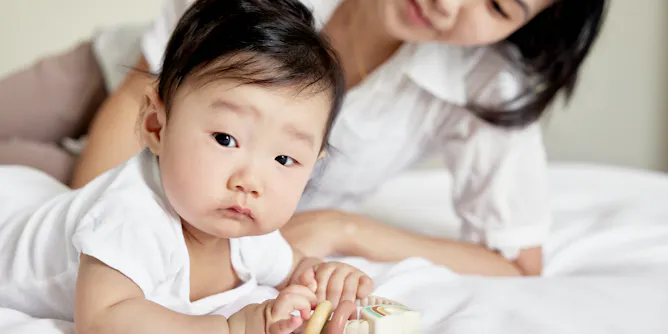
Human infant helplessness is not a weakness to be outgrown. It is an evolved trait that may be central to our ability to care for others.
Articles on Developmental psychology
Displaying 1 - 20 of 44 articles

‘Falling behind’ is a manufactured feeling produced by outdated milestone expectations and a comparison environment.

Observing how grown-ups operate provides children with information on how they can shape their worlds to get what they want and avoid what they don’t want.
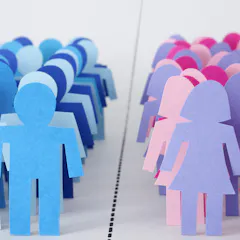
Children learn what it means to be a woman or a man early on. How they respond to threats to how well they conform to gender stereotypes changes with age.
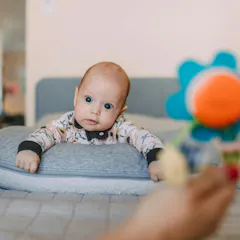
If a baby doesn’t show a clear response at a particular age, it does not necessarily mean they have stopped learning or missed an important step.
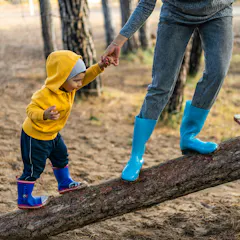
Our reaction can teach a child how to read their body signals and whether feelings are safe to feel.

The fines of $250 for a first offense and $500 for a second hit low-income families the hardest.
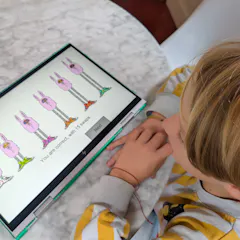
By cranking up the difficulty on the test task, researchers found that children are capable of finding systematic solutions to complex problems far earlier than psychologists had believed.

Virtual reality might seem like an unlikely way to help kids develop empathy, but the right VR environment can do just that.
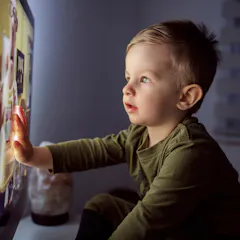
Screens are not inherently evil – they can boost childhood development, but only if used in the right way.

Parenting’s ultimate goal is raising healthy, happy, successful children. Figuring out how to keep parenting once the kids are adults is just another transition.

Mindfulness has several different aspects. Knowing your mindfulness profile could be an important next step for more effectively improving your well-being and mental health.

Pathological demand avoidance isn’t listed in the diagnostic manuals clinicians use. But that doesn’t make it less distressing for children or families. What can help?
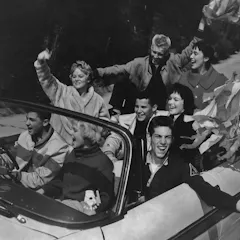
In the wake of a series of viral ‘pranks’, many are wondering why teens do such bad things. It’s not as simple as you think.
Until the age of nine, children struggle to distinguish adverts from TV shows.

Psychologists have long focused on the importance of a secure attachment with a mother for healthy child development. A new look supports the value of attachment – but it doesn’t have to be with mom.
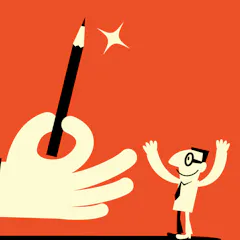
In a study with people as young as 4 years old, participants underestimated how much others would appreciate their good deeds.

A developmental psychologist explains how a period of life that’s often hectic and stressful can also end up being quite rewarding.

Parents can take a page from psychological research on trauma and recovery to help kids struggling with pandemic life.

Together the social and emotional ‘jobs’ of adolescence – developing intimate friendships and achieving autonomy – make teens uniquely resistant to calls for social distancing.
Top contributors
-

Professor of Psychology, University of California, San Diego
-
Formerly a lecturer in genetics, Lincoln University, New Zealand
-
Assistant Professor, Psychology, Simon Fraser University
-
Associate Professor of Psychology, USC Dornsife College of Letters, Arts and Sciences
-
Associate Professor, School of Psychology, The University of Queensland
-
Assistant Professor of Psychology, Johns Hopkins University
-
Doctoral Candidate in Clinical Psychology, University of Oregon
-
Ph.D. Student in Brain and Cognitive Sciences, Massachusetts Institute of Technology (MIT)
-
Ph.D. Student in Developmental Psychology, University of Illinois Urbana-Champaign
-
Professor of Psychiatry & Psychology, University of California, Los Angeles
-
Clinician, Australian Catholic University
-
Medical & Science Writer, University of Iowa
-
Senior Analyst, Strategic Research, University of Illinois Urbana-Champaign
-
Research Fellow in Educational and Developmental Psychology, Charles Sturt University
-
Professor of Psychology, Temple University