

Stuttering has gained attention since the election of U.S. President Joe Biden, who has had a stutter since childhood. Research is changing how stuttering is understood, as well as approaches to treatment.
Articles on Depression
Displaying 341 - 360 of 859 articles

Our research provides clear evidence pro-inflammatory diets are linked to poor health, including heart attacks, bowel cancer and depression.

Combating catastrophic demoralization and suicidal thoughts during COVID-19 means supporting people to reconnect with their values, with meaning in life and with others.

Transgender youth have a number of research-backed medical options available to them. The multidisciplinary approach ranges from promoting family support to hormone treatments to surgery.

Research shows that the gaps in physical exercise have widened substantially between men and women, whites and non-whites, rich and poor and educated and less educated: especially during the pandemic.

Microdosing involves taking a low dose of a psychedelic drug to enhance performance, or reduce symptoms of stress and anxiety. Here’s what our research shows.

Stigma has long been an issue in mental illness. Even as people open up and share their experiences about depression, though, stigma is remaining a stubborn part of messaging.

A growing online movement believes that giving up masturbation can make us happier and boost our testosterone levels.

Mothers’ well-being is crucial for children to flourish, but maternal mental health has suffered during COVID-19. Successful pandemic recovery for mothers and families depends on four factors.
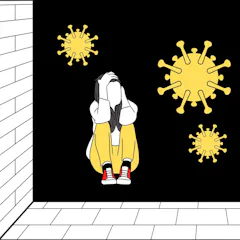
The mental health effects of the pandemic will likely outlive COVID-19. The goal should be to target mental health symptoms early in order to decrease major long-term effects.

Current mental health services aren’t targeted at young people. The few that are specialise in either complex mental health disorders, or newly emerging ones. We need a place that does everything.

Financial hardships in particular are likely to lead to ongoing mental health problems, even as the pandemic subsides. Our program could help many people whose mental health has suffered during COVID.

Too much COVID-19 news could be harmful to your health, experts suggest. So how do you stay informed but not get depressed?

Research shows hobbies may lower levels of depression.

Depression can cause widespread changes in our brain – including to the regions responsible for memory.

As the COVID-19 pandemic, restrictions and quarantines continues into their second year, more people are experiencing an acute form of COVID-boredom.

A study examined the psychological and social experiences of over 600 women with babies between birth and 12 weeks during the first UK lockdown.

It can be extremely distressing and stigmatising for a woman to experience a mental disorder around the time of childbirth.

What might the past offer us at this moment, and how will future generations reflect on this year? How will this present become the future’s past?

Receiving a pay raise will make you feel happier only if it was bigger than what you had expected. Why? Because it helps you learn.
Top contributors
-

Professor of Psychiatry, Monash University
-
Professor of Psychiatry, Wayne State University
-
Professor and Personal Chair, Swansea University
-
Professor of Clinical Neuropsychology, University of Cambridge
-
Scientia Professor of Psychiatry, UNSW
-
Professor of Psychology, The University of Melbourne
-
Professor of Psychology, San Diego State University
-
Head of the Department of Psychiatry, The University of Melbourne
-
Director School of Medicine and Psychology, Australian National University
-
Professor of Health Sciences, Simon Fraser University
-
Visiting Clinical Research Fellow in Psychiatry, UCL
-
Professor of Critical and Social Psychiatry, UCL
-
Associate Professor, Centre for Positive Health Sciences, RCSI University of Medicine and Health Sciences
-
Postdoctoral Research Associate, Cognitive Neuroscience, University of Cambridge
-
Clinical Psychologist and Professor in the Department of Psychology and Neuroscience, Dalhousie University