

92% of performing artists experienced significant changes to their work during early stages of the pandemic – and at least half experienced depression.
Articles on Depression
Displaying 301 - 320 of 859 articles

In an era before clinical trials, medical writers drew on the stories of explorers as evidence about the health effects of different foods and drinks.

Almost 10% of people have reported experiencing ‘languishing’ during the pandemic.
Remorse and sorrow from a bad choice can haunt you for years, even decades. But there are evidence-based ways to move past regret.

Two profoundly disruptive events combined to make life even more challenging for UK farmers, and now their mental health is suffering. Here’s what can be done.

Research shows that people with more flow in their lives had a higher sense of well-being during the COVID-19 pandemic. Scientists are beginning to explore what happens in the brain during flow.

A growing body of research points to the body’s natural cannabinoid system as the primary driver behind the runner’s high – and the mental health boost and stress relief following exercise.
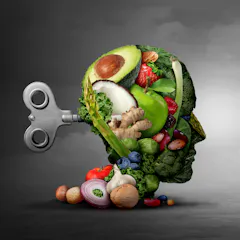
Ultra-processed foods high in sugar, fat and empty carbs are bad for the mind as well as the body. Lack of micronutrients affects brain function and influences mood and mental health symptoms.

Supermarket employees, still laboring in crisis mode, continue to report significant rises in physical and mental health problems.

One in three people struggle throughout the winter months with seasonal affective disorder.

The evidence is growing that experiencing both systemic and everyday race-based discrimination may lead some Black Americans to become depressed and think about suicide.

Research shows how heat can have negative effects on emotional states, mental health conditions and aggressive behaviours.

Pregnant women and mothers of infants are at a higher risk of experiencing depression because of increased pressures they face economically, in their relationships, with their families, and socially.

Menstruating women who sleep less than six hours a night suffer worse periods. But leading treatments for insomnia rarely look at menstrual health.
The average wellbeing of people with depression in Denmark improved over the first six months of the pandemic.

It’s tempting to think limits would cause teens to riot in the streets. But Facebook’s own research reveals that young people are well aware of social media’s downsides.
In the study, 44% of people who stopped taking their antidepressants didn’t experience a relapse within a year.

Energy drinks and coffee both contain lots of caffeine. That’s a problem for teens, especially those who take prescription stimulants.

Women who are physically active in the postnatal period report better mental well-being than those who are less active, but the pandemic has made exercise less accessible.
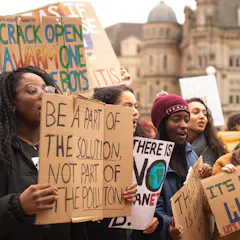
Research shows climate change is already affecting the healthy psychological development of children worldwide. Children’s mental health risks will only accelerate as climate change advances.
Top contributors
-

Professor of Psychiatry, Monash University
-
Professor of Psychiatry, Wayne State University
-
Professor and Personal Chair, Swansea University
-
Professor of Clinical Neuropsychology, University of Cambridge
-
Scientia Professor of Psychiatry, UNSW
-
Professor of Psychology, The University of Melbourne
-
Professor of Psychology, San Diego State University
-
Head of the Department of Psychiatry, The University of Melbourne
-
Director School of Medicine and Psychology, Australian National University
-
Professor of Health Sciences, Simon Fraser University
-
Visiting Clinical Research Fellow in Psychiatry, UCL
-
Professor of Critical and Social Psychiatry, UCL
-
Associate Professor, Centre for Positive Health Sciences, RCSI University of Medicine and Health Sciences
-
Postdoctoral Research Associate, Cognitive Neuroscience, University of Cambridge
-
Clinical Psychologist and Professor in the Department of Psychology and Neuroscience, Dalhousie University