

The COVID-19 pandemic and a growing global refugee crisis have shone a light on the ever-increasing need for new approaches to mental health treatment.
Articles on Depression
Displaying 321 - 340 of 859 articles

Nurses and healthcare workers will need more support in the longer term to deal with the considerable effect COVID-19 has had on mental health and wellbeing.

Firefighters are hailed as heroes and pillars of strength, bravery and courage. But the daily stressors and traumas of their jobs take a heavy emotional toll that largely goes unnoticed by the public.
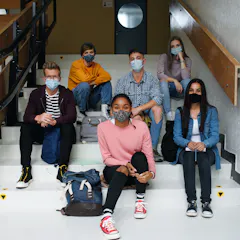
New research shows the dire effects of the pandemic on the mental health of children and youth, with as many as 25 per cent of young people affected. Immediate action can help address this distress.

The past 18 months have tested the mental and physical limits of Olympic athletes in their pursuit of the Tokyo Games. That’s what makes the performances during these Olympics even more remarkable.

Newly published research provides the first ever definition of what it means to feel ‘empty’ — a common struggle rarely recognised by health professionals.

Pandemic experiences for queer people were marked not only by loneliness but new possibilities and connections that will shape their lives when the world reopens.

Many people with PTSD also have depression, anxiety or some other mental health issue. This treatment might help where other treatments haven’t.

Being unable to communicate their thoughts and feelings is one reason almost two-thirds of people with aphasia suffer from depression.

Loosening press obligations might be one way to protect the mental health of athletes.

Non-specific illnesses, such as headache and fatigue, are common, as are mental illnesses such as depression and anxiety.
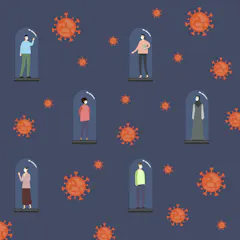
From the things you choose to focus on, to the support you seek from others, to the way you look after your physical health — these coping strategies could help you through Melbourne’s latest lockdown.

The tennis world paid attention when 13-year-olds were struggling with the pressures of turning pro. Osaka is reminding everyone that mental health concerns are still there.

Our new Cochrane review found antidepressants led to only small improvements in depression symptoms on average compared with placebo.
The TGA is considering a proposal to reclassify psilocybin and MDMA from their current status as prohibited substances. This would allow psychiatrists to use these drugs to treat mental illness.

Pregnant women’s experiences can affect their babies’ health, even into adulthood. Researchers know societywide stresses can lead to these long-term consequences – and the pandemic likely fits the bill.

While the pandemic has focused the world’s attention on how to prevent infectious disease, many of the lessons learned from COVID-19 prevention can also be applied to chronic disease prevention.

The mental health crisis occurring in tandem with COVID-19 has stressed resources and stretched service waitlists into years. There is an urgent need for prevention strategies, not just treatment.

Paying out for vital services has a serious impact on mental health.
In this week’s federal budget we heard how this non-drug treatment for depression will be available on Medicare for people who’ve not responded to antidepressants.
Top contributors
-

Professor of Psychiatry, Monash University
-
Professor of Psychiatry, Wayne State University
-
Professor and Personal Chair, Swansea University
-
Professor of Clinical Neuropsychology, University of Cambridge
-
Scientia Professor of Psychiatry, UNSW
-
Professor of Psychology, The University of Melbourne
-
Professor of Psychology, San Diego State University
-
Head of the Department of Psychiatry, The University of Melbourne
-
Director School of Medicine and Psychology, Australian National University
-
Professor of Health Sciences, Simon Fraser University
-
Visiting Clinical Research Fellow in Psychiatry, UCL
-
Professor of Critical and Social Psychiatry, UCL
-
Associate Professor, Centre for Positive Health Sciences, RCSI University of Medicine and Health Sciences
-
Postdoctoral Research Associate, Cognitive Neuroscience, University of Cambridge
-
Clinical Psychologist and Professor in the Department of Psychology and Neuroscience, Dalhousie University