
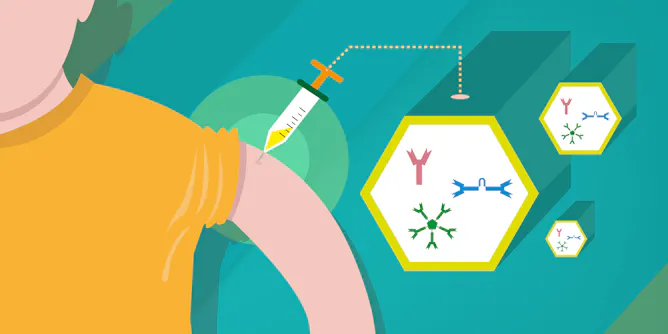
Our immune system protects us but when it comes to some mosquito-borne disease, it can work against us. What are the implications for the development of a Zika virus vaccine?
Articles on Dengue
Displaying 61 - 80 of 102 articles
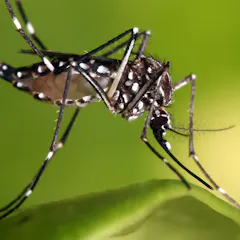
There’s a new weapon against mosquitoes that spreads diseases such as dengue and yellow fever – more mosquitoes.
Upscaling the success of emerging mosquito control technologies relies on automating the rearing and release of millions of mosquitoes. Australia is to become the testing ground for a novel strategy.
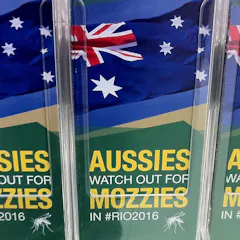
New research shows common local mosquitoes aren’t able to spread Zika. This means Australia is unlikely to see a major outbreak of the disease. But a risk remains in northern Queensland.
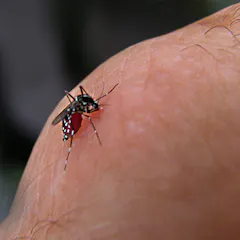
Zika had already reached 46,000 probable cases by the end of May 2016 and is transmitted by the same mosquito species as dengue and Chikungunya.
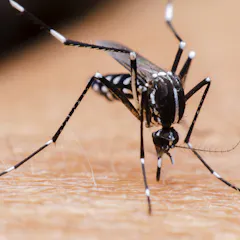
Inflammation caused by mosquito bites helps viruses to infect the body.

How do we convince people that spreading Wolbachia-infected mosquitoes can eliminate dengue when they have long came to understand that mosquitoes transmit dengue?
Innovations targeted at mosquito control are good but should not draw focus away from the tried and tested public health measures to control mosquito-borne diseases.
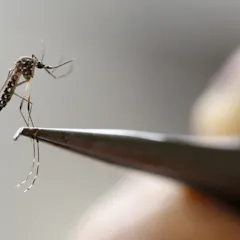
Look beyond transgenic techniques that add new genes to a species. People have used selective breeding techniques to change plants and animals for millennia – why not try them on mosquitoes?
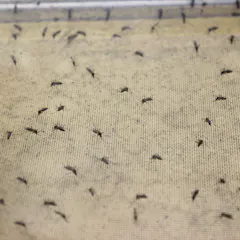
Zika virus may be in the headlines but the burden of other mosquito-borne diseases, such as dengue fever, should not be overlooked.

If we can solve the privacy issues, placing trackers on people and the things we make can teach us a great deal about ourselves and the world around us.
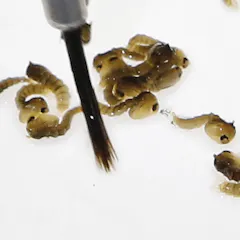
Insecticides and mosquito nets only get you so far. Synthetic biologists are ready to take the battle against mosquito-borne disease to the level of DNA – which might spell the insects’ ultimate doom.
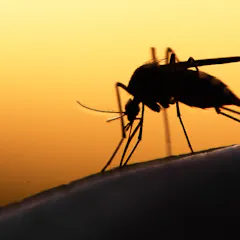
They spread disease and misery and account for millions of deaths every year. There’s not a lot to be said for mosquitoes.
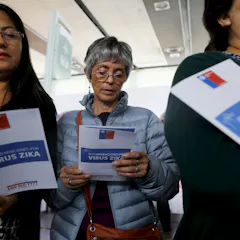
Models based on where the mosquitoes that transmit Zika are found and human travel patterns to and from infected areas are key to predicting where the virus will spread.

As Zika fear rises, people are inevitably asking why we don’t have a vaccine to protect against the mosquito-borne virus.
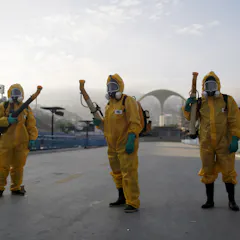
Zika was discovered almost 70 years ago, but wasn’t associated with outbreaks until 2007. So how did this formerly obscure virus wind up causing so much trouble in Brazil?
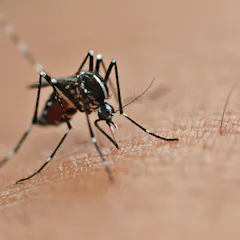
They’re small, spindly insects but their threat never dwindles – the bites of mosquitoes threaten death and disease in many parts of the world.
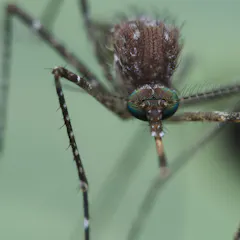
There’s something about mosquitoes that means they don’t get sick from the infections they carry. So can we turn that function off, genetically?
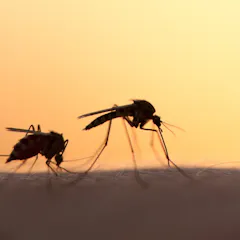
Could this relatively unknown virus become a household name in the Americas in the year to come?
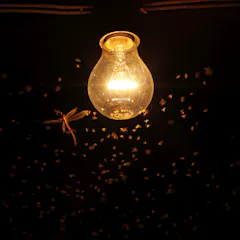
Solar is a vital piece of the energy puzzle for Africa, but there is an insect problem that comes with the light from solar.
Top contributors
-

Clinical Associate Professor, School of Medical Science & Sydney Infectious Diseases Institute; Principal Hospital Scientist, University of Sydney
-
Medical Entomologist at the School of Biological Sciences, University of Nairobi
-
Professor, The University of Queensland
-
Medical Entomologist, The University of Queensland
-
Group leader, University of Leeds
-
Scientific Citizenship Initiative Advisor and Center for Bioethics Lecturer, Harvard University
-
Senior Research Fellow in Global Health, University of Southampton
-
Senior Lecturer in Parasite Epidemiology, School of Natural and Environmental Sciences, Newcastle University
-
Medical scientist, National Institute for Communicable Diseases
-
Professor of Parasitology and Epidemiology, Federal University of Agriculture, Abeokuta
-
Professor of Entomology and Disease Epidemiology, Penn State
-
Lecturer (University of Tasmania), University of Tasmania
-
Dean Students, College of Health, Adelaide University
-
Principal Medical Scientist and Head of Laboratory for Antimalarial Resistance Monitoring and Malaria Operational Research, National Institute for Communicable Diseases
-
Ph.D. Student and Transdisiplinary Biomolecular and Biomedical Sciences Fellow, Florida International University