
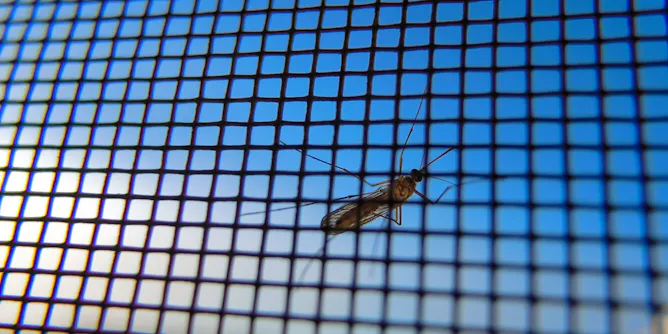
Methods that don’t rely on insecticides are needed to bolster the fight against mosquito-borne diseases.
Articles on Yellow fever
Displaying 1 - 20 of 36 articles

This whirlwind tour of social history describes how infectious diseases have shaped humanity at every stage. It suggests reducing inequality will give us our best chance of surviving future plagues.
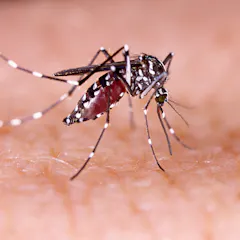
It is estimated that half of world’s population is at risk of being infected by an arbovirus.
The seriousness of an epidemic is a function of several factors, including the degree of contagiousness and potential for rapid spread.
The country’s urban centres where unvaccinated people live in crowed settlements are key risk areas.
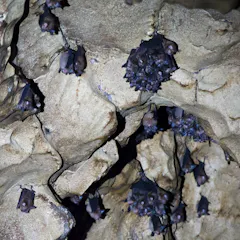
How can nations prevent more pandemics like COVID-19? One priority is reducing the risk of diseases’ jumping from animals to humans. And that means understanding how human actions fuel that risk.

The Founding Fathers were unrelenting in their commitment to the idea that circumstances can arise that require public officials to take actions abridging individual freedoms.
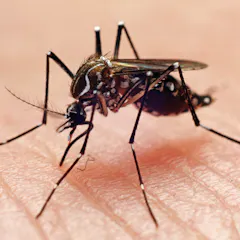
Mosquitoes are among the deadliest animals in the world. Half of the deaths attributed to them are associated with malaria. But they carry other parasites and viruses that threaten human health.
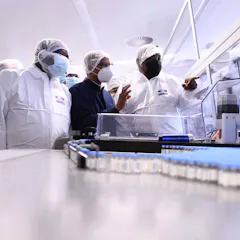
Vaccine manufacturing doesn’t come cheap. It depends heavily on support from developed countries. It also requires much more than relaxing intellectual property rights and a desire for vaccine equity.

The US response to the coronavirus was slow and problematic, but it also was rooted in a 19th-century way of viewing public health.
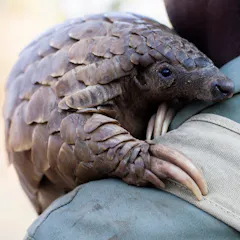
Yellow fever, malaria and Ebola all spilled over from animals to humans at the edges of tropical forests. The new coronavirus is the latest zoonosis.
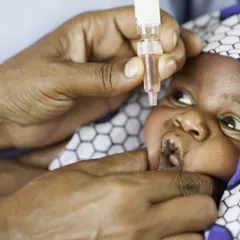
Coronavirus is a stark reminder of what a world without vaccines would look like.

Today’s coronavirus pandemic has echoes in the yellow fever pandemic of the 1790s. Then, as now, workers struggled with how to support themselves and their families. One federal agency had the answer.

Applied Epidemiological Modelling has enormous potential to improve how decisions are made about public health in African countries.

Sharing data openly across regions and organisations can help to accelerate preparedness and responses to public health emergencies.

Genetically modified mosquitoes breed fear and suspicion, especially since the research happens behind closed doors, away from the public. Now scientists and architects are trying to change that model.
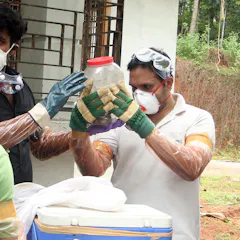
It doesn’t just seem like the world is experiencing more viral infections than before – it’s a reality. And the way humans live today helps viruses thrive.
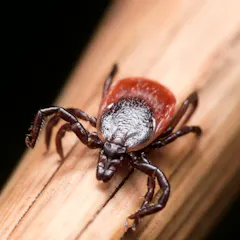
The CDC recently announced an uptick in diseases spread by vectors such as mosquitoes and ticks. Here’s why and what you can do to lower your risk.
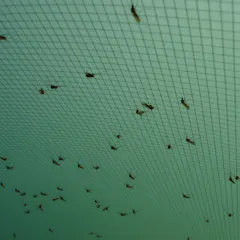
Australian mosquitoes, unlike their Asian and American counterparts, can still be controlled by insecticides like pyrethroids. What lessons are there for managing pesticide resistance in insects?
African leaders need to up their health allocations to help the new World Health Organisation Director-General meet his health care targets for the continent.
Top contributors
-

Principal Medical Scientist and Head of Laboratory for Antimalarial Resistance Monitoring and Malaria Operational Research, National Institute for Communicable Diseases
-
Medical scientist, National Institute for Communicable Diseases
-
Clinical Associate Professor, School of Medical Science & Sydney Infectious Diseases Institute; Principal Hospital Scientist, University of Sydney
-
Principal Medical Scientist (PhD MPH), National Institute for Communicable Diseases
-
Lecturer, Biomedical and Life Sciences, Lancaster University
-
Assistant Professor of Medicine, University of Florida
-
Research scientist, CSIRO
-
Professor of Biology, McMaster University
-
Senior research fellow, Griffith University
-
Board Certified Internal Medicine Physician and Public Health Scientist, MidMichigan Health, University of Michigan
-
Professor of Infectious Diseases, Monash University
-
Senior Entomologist, Penn State
-
Assistant Research Professor of Entomology, Penn State
-
Principal Research Leader, Emerging Viruses, Inflammation and Therapeutics Group, Menzies Health Institute Queensland, Griffith University
-
Lecturer, Chemistry and Forensic Science, Nottingham Trent University