
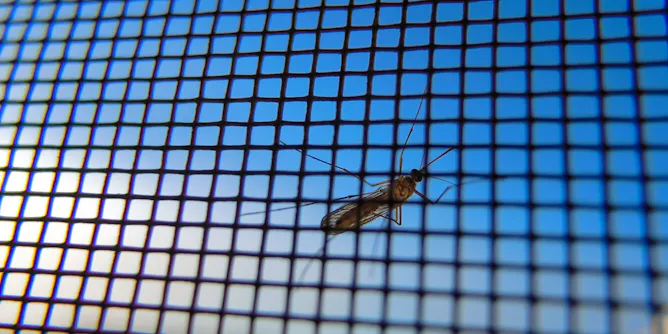
Methods that don’t rely on insecticides are needed to bolster the fight against mosquito-borne diseases.
Articles on Dengue
Displaying 21 - 40 of 102 articles
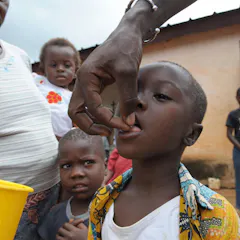
While Nigeria has made progress in controlling some neglected tropical diseases, it should do more as it carries a heavy burden of these diseases.
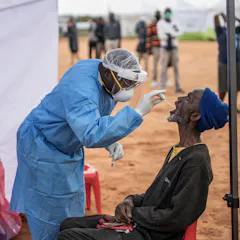
The human population has doubled in 48 years, and worsening climate change has left the world facing serious health risks, from infectious diseases to hunger and heat stress.

France experienced its largest outbreak of ‘native’ dengue this summer. Thanks to climate change, Europe can expect more of the same.
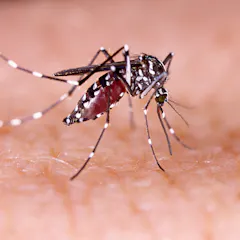
It is estimated that half of world’s population is at risk of being infected by an arbovirus.
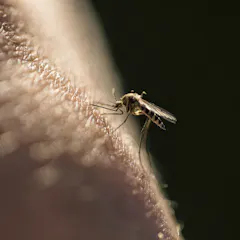
Certain viruses like dengue and Zika can make their hosts smell tastier to mosquitoes. Luckily, vitamin A and its derivatives may help combat these odor changes.
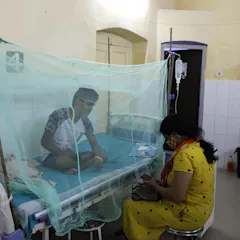
After health systems collapsed due to COVID, India’s hospitals are once again buckling, but this time due to Dengue.
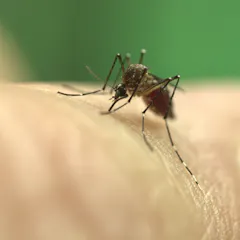
Backyard mosquitoes can be more than just annoying pests. Their bites can spread the pathogens that make us sick.
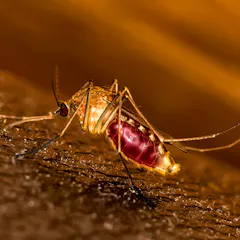
CC BY-NC-ND10.4 MB (download)
About 98% of mosquitoes aren't harmful to humans. We need to learn to deal with those that are.
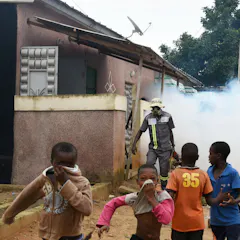
A warming climate may change the types of viruses that thrive. A new report suggests that the threat of malaria may be replaced by dengue, for which there is no treatment and no cure.
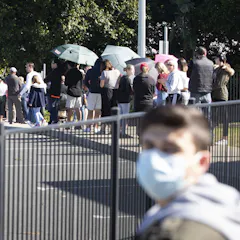
With all the attention focussed on combating the spread of COVID-19 it’s easy to forget the other health challenges that could affect us all.
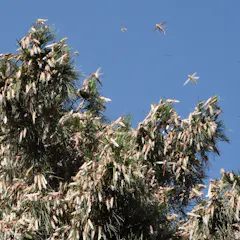
Gene drive guarantees that a trait will be passed to the next generation. But should society use this tool to control insect populations?

Release of GM mosquitoes in Florida is imminent. But a multidisciplinary team of scientists believe that more studies are needed first. They encourage a publicly accessible registry for GM organisms.
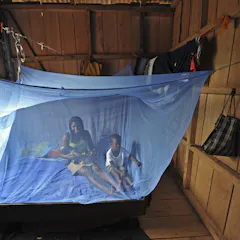
The pandemic coincides with the long rainy season in Kenya. Rain increases mosquito breeding sites, vector density and thus transmission of mosquito-borne diseases.

The cream was found to boost the body’s anti-viral immune response, stopping mosquito-borne viruses in their tracks.
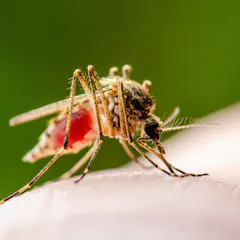
Prolonged rains increase the amount of stagnant water in the environment in which mosquitoes breed. This increases the risk of mosquito-borne diseases.

Nuisance-biting and mosquito-borne disease are ongoing concerns for health authorities. But an effective citizen science program is now showing how all of us can help beat the bite of mozzies.
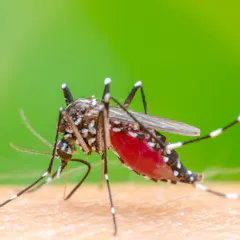
Genetically modified mosquitoes were released in Brazil in an attempt to halt the spread of dengue fever by reducing the mosquito population.
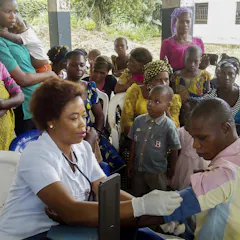
Climate change is anticipated to cause a rise in the incidence of several diseases in sub-Saharan Africa.
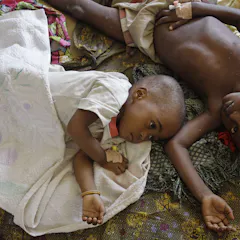
There’s a big market for new treatments for TB, malaria and other ailments. But most of these diseases afflict low-income people unable to pay for medicine.
Top contributors
-

Clinical Associate Professor, School of Medical Science & Sydney Infectious Diseases Institute; Principal Hospital Scientist, University of Sydney
-
Medical Entomologist at the School of Biological Sciences, University of Nairobi
-
Professor, The University of Queensland
-
Medical Entomologist, The University of Queensland
-
Group leader, University of Leeds
-
Scientific Citizenship Initiative Advisor and Center for Bioethics Lecturer, Harvard University
-
Senior Research Fellow in Global Health, University of Southampton
-
Senior Lecturer in Parasite Epidemiology, School of Natural and Environmental Sciences, Newcastle University
-
Medical scientist, National Institute for Communicable Diseases
-
Professor of Parasitology and Epidemiology, Federal University of Agriculture, Abeokuta
-
Professor of Entomology and Disease Epidemiology, Penn State
-
Lecturer (University of Tasmania), University of Tasmania
-
Dean Students, College of Health, Adelaide University
-
Principal Medical Scientist and Head of Laboratory for Antimalarial Resistance Monitoring and Malaria Operational Research, National Institute for Communicable Diseases
-
Ph.D. Student and Transdisiplinary Biomolecular and Biomedical Sciences Fellow, Florida International University