

The immediate risk is very low. The discovery shows how warmer weather may change Britain’s defences against mosquito-borne disease.
Articles on Zika virus
Displaying 1 - 20 of 72 articles
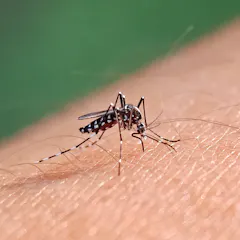
New research from Brazil links Zika to lasting brain and insulin changes.
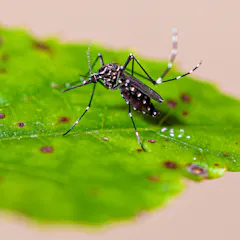
Female mosquitoes don’t want to lay their eggs alone, but they don’t want sites that are too crowded either. Understanding what guides their choice could inform new control strategies.
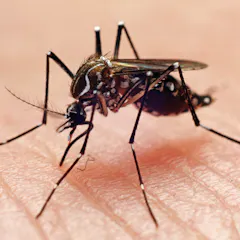
Mosquitoes are among the deadliest animals in the world. Half of the deaths attributed to them are associated with malaria. But they carry other parasites and viruses that threaten human health.

Conspiracy theories bloom in times of uncertainty and foster distrust of medical authorities.

The cream was found to boost the body’s anti-viral immune response, stopping mosquito-borne viruses in their tracks.

Nuisance-biting and mosquito-borne disease are ongoing concerns for health authorities. But an effective citizen science program is now showing how all of us can help beat the bite of mozzies.

Researchers have increasingly turned to DNA sequencing to help identify and track diseases like Ebola.
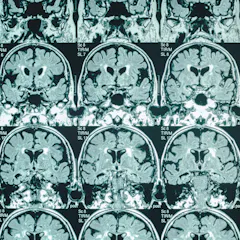
The Trump administration has banned NIH researchers from using fetal tissue. The tissue is an essential tool for scientists investigating diseases ranging from Alzheimer’s to Zika virus infections.

There is no vaccine or medicine for Zika. But researchers have identified factors in the blood that signal a fetus has Zika-related birth defects, helping mothers decide whether to terminate a pregnancy.
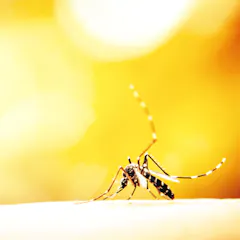
Is our changing climate making regions of the US more suitable for ticks and mosquitoes that spread diseases? Or is the climate changing human physiology making us more vulnerable?
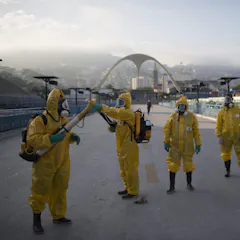
Recent discoveries of ancient viruses are helping scientists understand their origins.
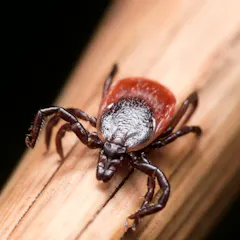
The CDC recently announced an uptick in diseases spread by vectors such as mosquitoes and ticks. Here’s why and what you can do to lower your risk.
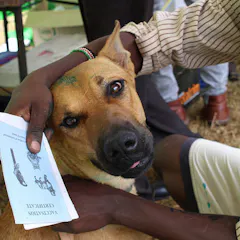
By tackling local threats and controlling existing diseases, countries are able to build the capacity needed to deal with future emerging disease threats.
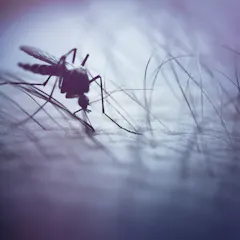
The World Health Organisation has pledged a long-term response to controlling the Zika virus because the threat is far from over
Women have evolved to have stronger immunity than men. But this comes with downsides -
women are more likely to have autoimmune diseases due to their “reactive” immune systems.
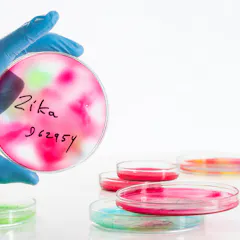
The 2015 Zika outbreak in South America brought the virus to global attention. But tracing the history of the virus in West Africa can give clues to tackling future outbreaks.
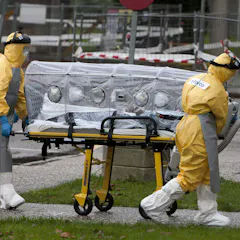
Professor Peter Doherty on infectious disease pandemics
The Conversation, CC BY-ND47.6 MB (download)
William Isdale speaks with the University of Melbourne's Professor Peter Doherty about infectious disease pandemics.
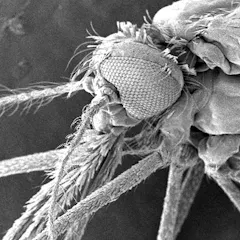
Several sites in the US are releasing bacteria-infected mosquitoes as a way to fight mosquito-borne viruses that threaten people. What’s the science – and how well will it work?

An active outbreak of a type of bird flu in China raises concerns about worldwide pandemics. Ebola and Zika viruses still threaten. Here’s why this is not the time to cut funding.
Top contributors
-

Clinical Associate Professor, School of Medical Science & Sydney Infectious Diseases Institute; Principal Hospital Scientist, University of Sydney
-
Climate scientist, Australian Bureau of Meteorology
-
Senior Climatologist, Australian Bureau of Meteorology
-
Adjunct Professor (Practice) in the School of Earth, Atmosphere and Environment, Monash University
-
Climatologist, Australian Bureau of Meteorology
-
Epidemiologist, Honorary Associate Professor, Australian National University
-
Professor of Pharmaceutical Chemistry, Macquarie University
-
Professor of Bioethics, Monash Bioethics Centre, Monash University, Monash University
-
Assistant Professor of Medicine, University of Florida
-
Professor of Biological Sciences, Florida Gulf Coast University
-
Assistant Professor of Biology, Texas A&M University-San Antonio
-
Professor in Developmental Biology, University of Aberdeen
-
Research Fellow, The University of Western Australia
-
PhD candidate, Yale University
-
Emeritus Professor of Parasitology, Keele University