

Mike Cannon-Brookes has blocked AGL’s demerger – for now. But can he force it to accelerate the closure of its coal and gas-fired power stations?
Articles on Decarbonisation
Displaying 121 - 140 of 223 articles

In the absence of a clear plan for affording the high costs of decarbonisation, it’s time for the UK Treasury to tax fossil fuel companies.
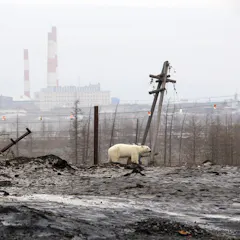
The war in Ukraine threatens to turn back the clock on Russia’s climate progress, with some calling on the country to leave the Paris Agreement and roll back environmental regulations.
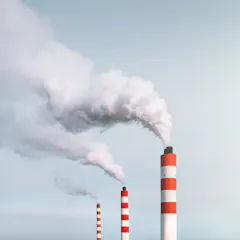
The budget will reveal some extra spending, but the Emissions Reduction Plan still treats climate change as merely a scientific, technical problem – when it has been a political problem all along.
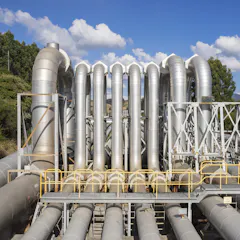
Our research shows NZ’s potential to burn forestry waste and capture the emissions in geothermal wells. But we’ll need new partnerships between power generators, manufacturers and the forestry sector.

We’re lagging behind on the shift to electric vehicles and clean transport. Here’s what we need to do.

Shared ground heat exchanges could provide low-carbon heating for up to 80% of homes in the UK, research suggests.
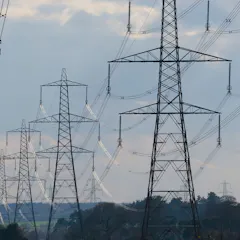
Failure to make the most of Britain’s abundant renewables will mean a costly and unreliable energy supply.
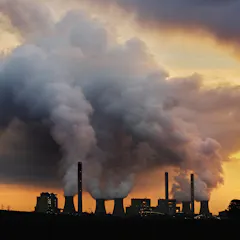
In 2022, Australia is facing an election in which both major parties have little to offer on emissions reductions and moving away from fossil fuels.

Electricity, not what the EU calls ‘renewable gases’, offer the fastest route to decarbonising heating.

Electric vehicle batteries, wind turbine generators and hydrogen fuel cells are among technologies likely to be affected by the conflict.
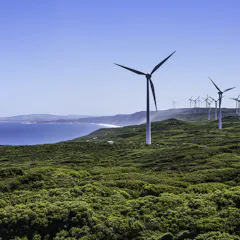
If politics wasn’t an obstacle, we could decarbonise Australia within 13 years and soak up residual emissions with forests.

UK law currently regards heat as a physical characteristic, rather than a useful resource.

Behind the government’s net zero bluster there has been little progress in decarbonising the UK.
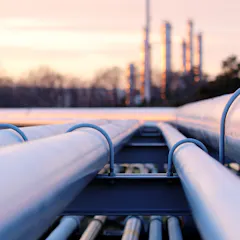
Labor wants to run the Kurri Kurri gas power station on green hydrogen. But the figures don’t stack up.

Plan to cut emissions quickly, use offsets sparingly and set broader goals for improving society.

Hydrogen production is among the core processes in P2X technology. Hydrogen can be used as an alternative source of clean energy and industrial feedstock for fertiliser manufacturing.

There’s a lot of buzz around green hydrogen. But we need to get the groundwork right - and pick the best spots to produce it
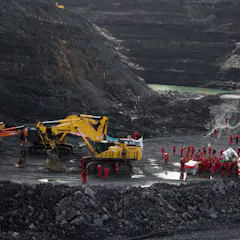
If the UK is to achieve net zero by 2050, it needs to get moving on making a successful green transition across fuel, transport and housing.

A group of powerful countries have agreed ‘green corridors’ for emissions-free shipping by 2025, but that’s not even half the battle.
Top contributors
-

Associate Professor in Sustainable Development
-
Honorary Senior Lecturer in Chemical Engineering, University of Aberdeen
-
Senior Research Fellow, Collaboration on Energy and Environmental Markets, UNSW
-
Climateworks Centre Country Lead, Australia, Monash University
-
Professor, School of Economics, The University of Queensland
-
Professor in Applied Mathematics, Te Kunenga ki Pūrehuroa – Massey University
-
Professor of Engineering, Australian National University
-
Professor in Practice, Department of Engineering, Durham University
-
Professor, Crawford School of Public Policy and Director, Centre for Climate and Energy Policy, Australian National University
-
Professor of Energy Systems, UCL
-
Associate Professor, Energy Systems and Data Group, Birmingham Energy Institute, University of Birmingham
-
Professor of Climate Science and Energy Policy, University of Manchester
-
Senior Research Associate in Environmental Governance, Lancaster University
-
Senior Lecturer in Operations and Supply Chain Management, Anglia Ruskin University
-
Professor in Transport Planning, University of Westminster