
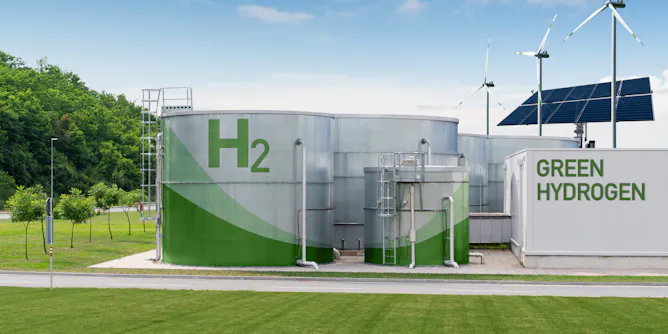
Hydrogen is expected to play an important role in New Zealand’s energy strategy. But the government and industry need to focus on its best uses for decarbonisation.
Articles on Decarbonisation
Displaying 41 - 60 of 223 articles

Decarbonising shipping is more urgent than ever. But is a carbon tax the best way to achieve this? Wouldn’t it increase inequalities without sufficiently reducing greenhouse gas emissions?

The new government wants zero carbon power by 2030 – here’s what needs to happen.

The new government aims to retrofit five million homes in five years – while footing 10% of the bill.
Not without a bolder commitment to public ownership.

Fossil fuel ad bans are gaining traction overseas, but New Zealand has so far shown few signs of wanting to be at the forefront of the movement.

The Net Zero Economy Authority will have a broad remit to support the net zero transition. Here are some pointers on how it could go about it, based on an assessment of best practice
Internal carbon prices – also known as shadow carbon pricing – could prod companies into taking decisions that are good for both business and the planet.

Producing energy from harvested trees and other plants – bioenergy – might sound like a greener option, but it’s not a simple issue.
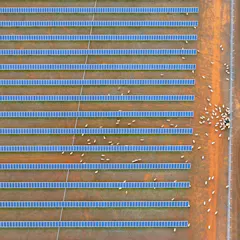
Yes we need land for solar panels, wind farms, batteries, pumped hydro, transmission lines and so on. But the amount of land is surprisingly small, when you do the sums. Here’s why.
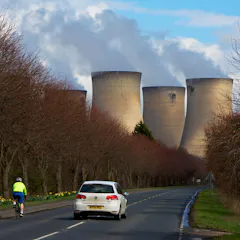
Looming carbon budget deadlines pose a challenge for the UK’s flagship climate legislation.
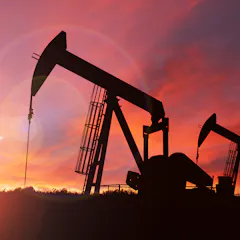
While some countries are more likely than others to sign an international agreement to phase out fossil fuels, measures to tackle fossil fuel demand by adding a higher carbon price are essential.
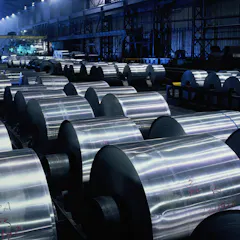
Ghana has spent over 60 years trying to build an aluminium industry.

Modellers of the energy transition have tended to neglect fractious international relations in their calculations.

Cutting wealth inequality could curb the super-rich’s disproportionate share of emissions.

Gold hydrogen is naturally occurring gas trapped in pockets under the ground – in much the same way as oil and natural gas
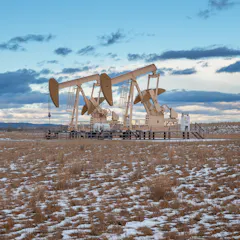
The distinction between ‘abated’ and ‘unabated’ fossil fuels is crucial, yet remains ambiguous.

Oil and gas must be eliminated from heating systems over the coming years.
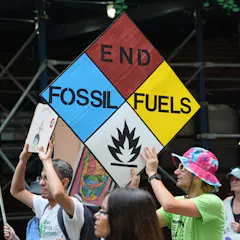
To avert climate breakdown, most of the world’s coal, oil and gas must stay underground.

Industry is a leading climate polluter: Our road map shows what’s needed to cut industrial emissions in fast-growing countries.
Top contributors
-

Associate Professor in Sustainable Development
-
Honorary Senior Lecturer in Chemical Engineering, University of Aberdeen
-
Senior Research Fellow, Collaboration on Energy and Environmental Markets, UNSW
-
Climateworks Centre Country Lead, Australia, Monash University
-
Professor, School of Economics, The University of Queensland
-
Professor in Applied Mathematics, Te Kunenga ki Pūrehuroa – Massey University
-
Professor of Engineering, Australian National University
-
Professor in Practice, Department of Engineering, Durham University
-
Professor, Crawford School of Public Policy and Director, Centre for Climate and Energy Policy, Australian National University
-
Professor of Energy Systems, UCL
-
Associate Professor, Energy Systems and Data Group, Birmingham Energy Institute, University of Birmingham
-
Professor of Climate Science and Energy Policy, University of Manchester
-
Senior Research Associate in Environmental Governance, Lancaster University
-
Senior Lecturer in Operations and Supply Chain Management, Anglia Ruskin University
-
Professor in Transport Planning, University of Westminster