

Electric cars are hailed as the best way to cut transport emissions, but it’s an illusion to think we can reduce our environmental impact without changing the way we design and move about in cities.
Articles on Decarbonisation
Displaying 141 - 160 of 223 articles

Embodied emissions in buildings could be a hidden setback for carbon reduction targets.

Fossil fuels account for one in five premature adult deaths each year.

Universities have long been developing research, talent and technology that, with the right mix of industry and government support, will allow Australia to emerge as a green export and R&D leader.

The global shipping sector delivers 90% of global trade and has a carbon footprint the size of Germany’s.

Coal is the dirtiest fuel source – eliminating it is a priority for tackling climate change.
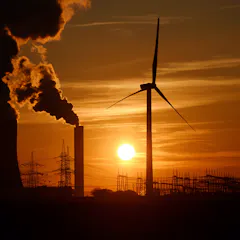
Clean energy innovation, giving up coal, cutting methane and getting China and India on board for net-zero can deliver progress at COP26.
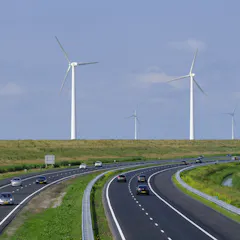
Battery electric cars are an ideal choice for light-duty and shorter commutes, but for long-haul trucks or buses, hydrogen fuel cells offer higher loads, shorter refuelling times and a longer range.
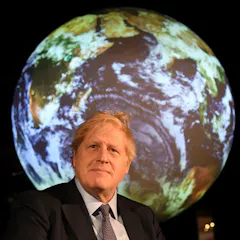
Electric vehicle sales are booming and coal power is dwindling, but structural obstacles to net zero remain.
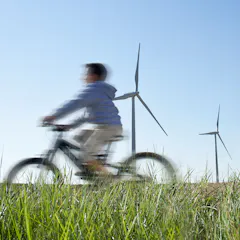
How economic thinking on climate change has evolved since the 2006 Stern Review.

Wind turbines need building, heat pumps need installing – but Britain has a chronic skills shortage.
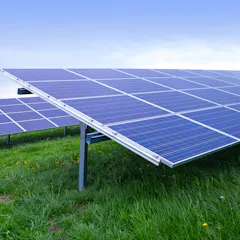
Chancellor Rishi Sunak’s spending plans may thwart the government’s proposals for reach net zero.

Problems with affordable, accessible energy could be mitigated by making more energy providers publicly owned.

The UK government sees a reliable and low-carbon solution to future energy crises in nuclear power.

Australia faces economic problems down the road if three big, structural reform areas — housing affordability, the tax mix, and decarbonisation — are not addressed.

Insulate Britain, a new environmental campaign group, is right to highlight the need for action on home insulation.
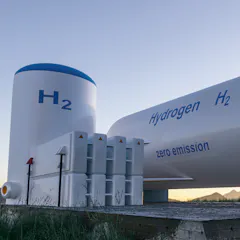
The UK government claims hydrogen could meet one-third of the country’s energy demand by 2050.

Hydrogen fuel derived from natural gas may be worse for the climate than the fossil fuel even with carbon capture and storage.
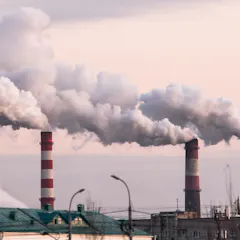
We know how to flatten the curve of rising greenhouse gas emissions. Doing it is another matter.

The cost of decarbonising the UK’s energy system is falling disproportionately on the poorest.
Top contributors
-

Associate Professor in Sustainable Development
-
Honorary Senior Lecturer in Chemical Engineering, University of Aberdeen
-
Senior Research Fellow, Collaboration on Energy and Environmental Markets, UNSW
-
Climateworks Centre Country Lead, Australia, Monash University
-
Professor, School of Economics, The University of Queensland
-
Professor in Applied Mathematics, Te Kunenga ki Pūrehuroa – Massey University
-
Professor of Engineering, Australian National University
-
Professor in Practice, Department of Engineering, Durham University
-
Professor, Crawford School of Public Policy and Director, Centre for Climate and Energy Policy, Australian National University
-
Professor of Energy Systems, UCL
-
Associate Professor, Energy Systems and Data Group, Birmingham Energy Institute, University of Birmingham
-
Professor of Climate Science and Energy Policy, University of Manchester
-
Senior Research Associate in Environmental Governance, Lancaster University
-
Senior Lecturer in Operations and Supply Chain Management, Anglia Ruskin University
-
Professor in Transport Planning, University of Westminster