
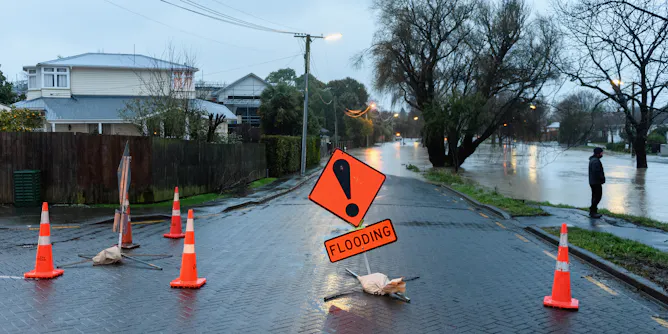
Only 3% of spending on natural hazards focuses on reducing risk, allowing governments to shift liability but leaving communities unprepared.
Articles on Decarbonisation
Displaying 1 - 20 of 223 articles
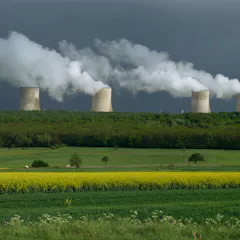
Three researchers take stock of different Union-wide policy approaches to removing and storing carbon emissions in the heavy industry sector.

The science is clear: burning forest material for energy produces lots of carbon emissions.
A target reduction from 80% to 50% or 60% takes pressure off government and manufacturers to address them.

If SUVs were a country, they would be one of the world’s five biggest CO₂ emitters.
If we’re serious about reducing Australia’s emissions, we need far more renewable gases. And soon.

The housing shortage is a major concern for many EU citizens. A foresight study by more than 30 experts examines four ways affordable, low-carbon homes could emerge by 2040.
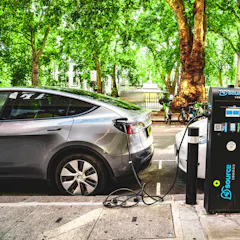
Australia’s 20 million domestic cars – and almost all heavier vehicles – will eventually be electric. We need to prepare for this.
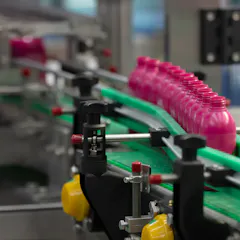
The solution is not to eliminate carbon from industry but to change where it comes from.
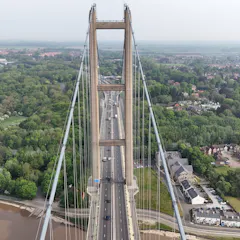
The Humber’s high output of clean energy could power direct air capture units and provide fossil-free CO₂.
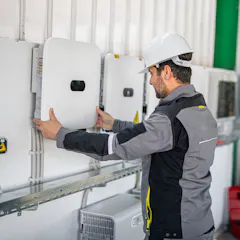
Like solar, the first households to embrace home batteries have been wealthy. We need to move away from first-come, first-secured schemes.
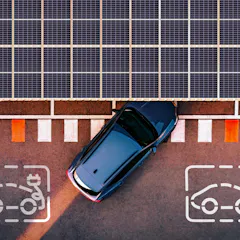
Electric vehicles promise cleaner transport. But unlike rooftop solar, which is spread through communities, wealthier Australian households are the ones buying EVs.
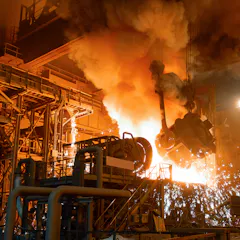
It’s now technically possible to green many heavy industries. The challenge is doing it at scale.

Carbon removal strategies may conflict with biodiversity conservation, but careful choices could bring benefits.
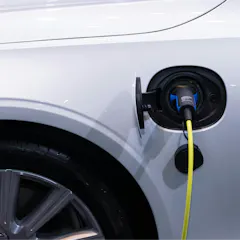
The clear signal this trend data sends is Australians are a pragmatic lot. If using an EV might save them money, they are interested.
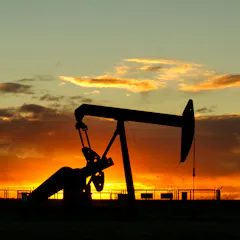
Oil is a key feedstock for everything from plastics to cosmetics. Over time, we’re likely to see less oil burned for transport – and more used to make products.
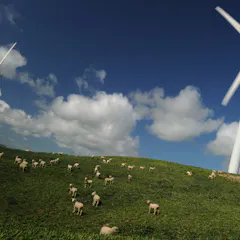
Even as the US steps back from Paris and New Zealand flirts with imported gas, the global energy transition is gathering speed.

The urgent need to slash Australia’s carbon emissions is undeniable. But the sluggish transition is making it tougher to offer certainty for workers.
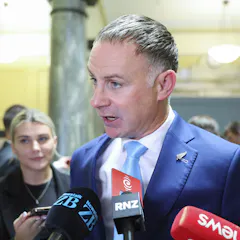
The government’s weakened methane reduction target mirrors the approach promoted by industry lobby groups but rejected by the Climate Change Commission.

Australia has the technologies to meet and exceed its new emissions target. The work now is to ensure they’re deployed at scale.
Top contributors
-

Associate Professor in Sustainable Development
-
Honorary Senior Lecturer in Chemical Engineering, University of Aberdeen
-
Senior Research Fellow, Collaboration on Energy and Environmental Markets, UNSW
-
Climateworks Centre Country Lead, Australia, Monash University
-
Professor, School of Economics, The University of Queensland
-
Professor in Applied Mathematics, Te Kunenga ki Pūrehuroa – Massey University
-
Professor of Engineering, Australian National University
-
Professor in Practice, Department of Engineering, Durham University
-
Professor, Crawford School of Public Policy and Director, Centre for Climate and Energy Policy, Australian National University
-
Professor of Energy Systems, UCL
-
Associate Professor, Energy Systems and Data Group, Birmingham Energy Institute, University of Birmingham
-
Professor of Climate Science and Energy Policy, University of Manchester
-
Senior Research Associate in Environmental Governance, Lancaster University
-
Senior Lecturer in Operations and Supply Chain Management, Anglia Ruskin University
-
Professor in Transport Planning, University of Westminster