

A flight powered by sustainable aviation fuel is making a trip across the Atlantic. But is it really a greener way to fly?
Articles on Decarbonisation
Displaying 61 - 80 of 223 articles
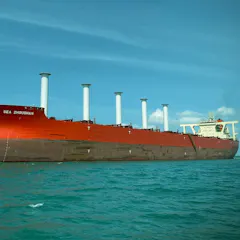
Modern mariners can harness trade winds to reduce carbon emissions.
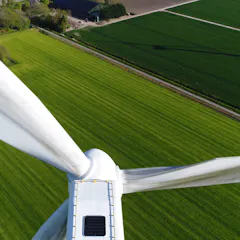
It’s still possible for Australia to cut emissions in line with holding climate change to 1.5°C. Here’s how.

30 of the 50 economists surveyed want a carbon price of the kind introduced by Julia Gillard in 2012 and abolished by Tony Abbott in 2014. Several say there’s little “time left to act seriously”.
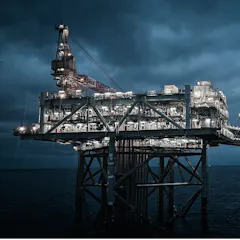
The use of fossil fuels carries a much heavier greenhouse gas penalty.
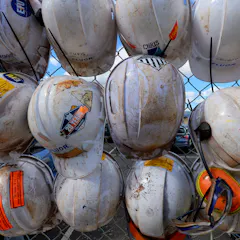
Four years after being made redundant, workers in coal-fired power stations made redundant make only one half of what they used to.

Big name food brands are pursuing decarbonisation – but they are squeezing farmers in the process.
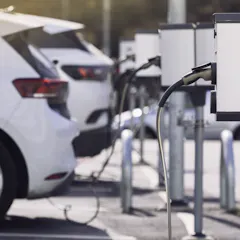
Policies and funds to decarbonise high-emitting industries and electrify transport are already delivering emissions cuts. But they are at risk of being disestablished or weakened.
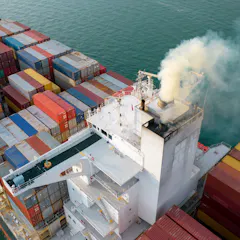
Shipping companies are turning the tanker too slowly to decarbonise on time.

New research reveals the environmental impact of keeping tropical fish as household pets – but there are ways to reduce it.

To overcome last winter’s energy crunch, France successfully introduced a 15-point ‘energy sobriety’ plan to cut gas and electricity use and reduce emissions.

Those who think the worst of Europe’s energy crisis is over are getting ahead of themselves.
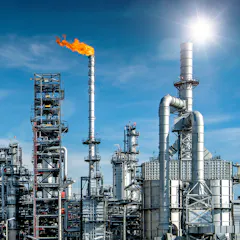
The 142 fossil fuel producers collectively exceeded the limits on coal, gas and oil production required to achieve the Paris Agreement goals by between 63% and 70%.

Heat pumps are relatively scarce in the UK – but that could be about to change.
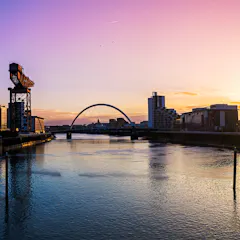
Figuring out who is responsible for cutting a city’s emissions and how their efforts will be coordinated is complicated.

Research found people were not confident about the government’s leadership in meeting net zero.

While EU countries are capable of initiating strong joint actions, a divide is emerging between countries with very different, even antagonistic, decarbonisation strategies.
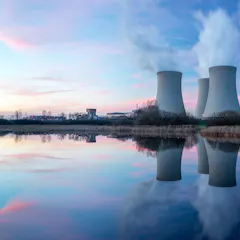
20 years ago, solar and wind were expensive enough to make nuclear seem like an option for Australia. With cheap renewables a reality, there’s simply no point to domestic nuclear.
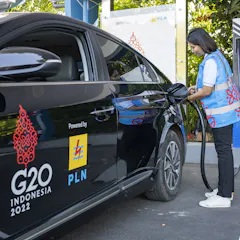
The Indonesian president’s visit to Australia could lead to closer co-operation on the energy transition, with Australia supplying lithium for Indonesia’s electric vehicle and battery production.
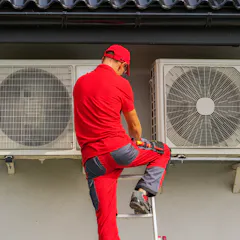
The UK trails European neighbours on replacing gas boilers with energy-efficient heat pumps.
Top contributors
-

Associate Professor in Sustainable Development
-
Honorary Senior Lecturer in Chemical Engineering, University of Aberdeen
-
Senior Research Fellow, Collaboration on Energy and Environmental Markets, UNSW
-
Climateworks Centre Country Lead, Australia, Monash University
-
Professor, School of Economics, The University of Queensland
-
Professor in Applied Mathematics, Te Kunenga ki Pūrehuroa – Massey University
-
Professor of Engineering, Australian National University
-
Professor in Practice, Department of Engineering, Durham University
-
Professor, Crawford School of Public Policy and Director, Centre for Climate and Energy Policy, Australian National University
-
Professor of Energy Systems, UCL
-
Associate Professor, Energy Systems and Data Group, Birmingham Energy Institute, University of Birmingham
-
Professor of Climate Science and Energy Policy, University of Manchester
-
Senior Research Associate in Environmental Governance, Lancaster University
-
Senior Lecturer in Operations and Supply Chain Management, Anglia Ruskin University
-
Professor in Transport Planning, University of Westminster