
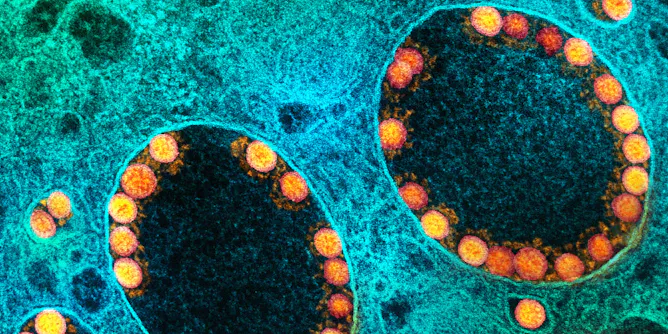
COVID-19 variants are the products of the evolution of the SARS-CoV-2 virus. They arise via mutations, but other forces also have roles to play in the generation and transmission of variants.
Articles on COVID-19 variants
Displaying 21 - 40 of 134 articles

From vaccines to treatments and even medical equipment, intellectual property rights have hampered the world’s efforts to fight the pandemic.
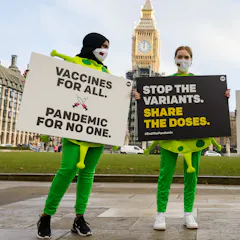
Vaccines are less effective at reducing the risk of viral mutation than they used to be – but they still make a difference.

Plus, is the human emotional response to music innate or is it shaped by a person’s culture? Listen to The Conversation Weekly podcast.
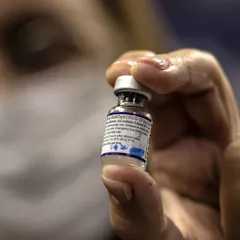
Variant-specific vaccines would undoubtedly increase immunity. But waves of new variants would engulf the population faster than these vaccines could ever be deployed.

Canada’s strategy must include global engagement. Without it, we will be living on borrowed time, waiting for a new variant, a new booster, a new quick fix.
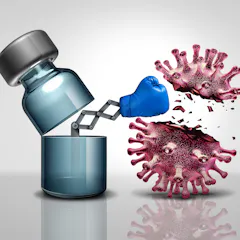
Even with a variant like Omicron that may be more transmissible than earlier variants, vaccines remain the most effective tool for protection against COVID-19 and for ending the pandemic.
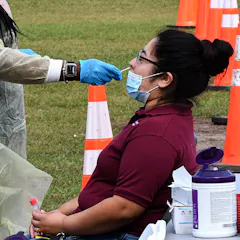
A nationwide genomic surveillance system analyzes positive COVID-19 tests to build a picture of which variants are spreading in the population.
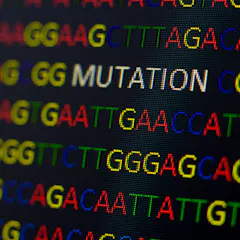
DNA sequencing has allowed researchers to catch new COVID-19 variants hours after receiving the first positive test sample.

For a number of reasons, as time goes on vaccines become less effective. So how do researchers calculate how well vaccines are working?
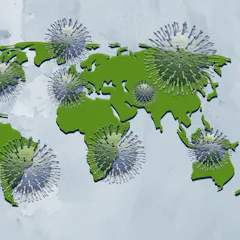
In places with low vaccination rates, COVID-19 has the chance to linger, and variants develop and travel. Without global vaccine equity, this entirely predictable pattern will repeat itself.
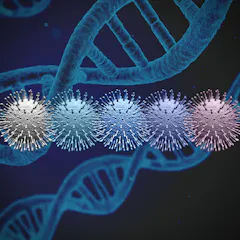
One of the ways the Omicron variant is different from other variants is the sheer number of mutations in the spike protein. Does this make it a super-variant?
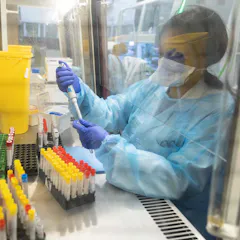
Careful lab work will complement public health data as researchers worldwide focus on omicron, asking questions about contagiousness, severity of disease and whether vaccines hold up against it.

Efforts to improve vaccine uptake must be tailored to the needs and concerns of the individuals and families who make up society.

The new omicron variant of coronavirus has a number of mutations that may require manufacturers to update vaccines. The unique attributes of mRNA vaccines make updating them fast and easy.
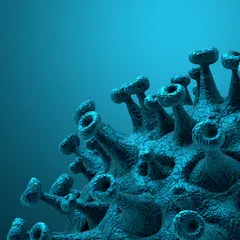
We won’t know whether Omicron evades COVID vaccines for another few weeks. Here’s why.
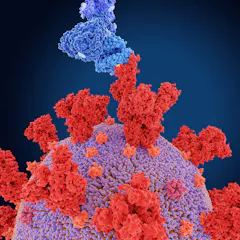
It’s too early to say whether the newly identified omicron variant is going to overtake delta. But particular mutations in the new strain have researchers deeply concerned.

If COVID symptoms are less severe, people with the Omicron variant may be less likely to test and isolate.
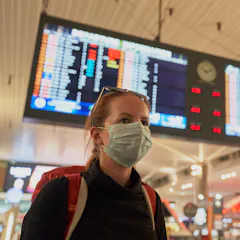
Given the Omicron variant has already spread beyond southern Africa, a ban on travellers from those countries will slow the spread and buy crucial time, but won’t stop this strain in its tracks.
There’s a new COVID lineage called B.1.1.529. It has a genetic profile very different from other circulating variants
Top contributors
-

Professor, Biochemistry, Trinity College Dublin
-
Professor in Applied Mathematics, University of Canterbury
-
Professor of Microbial Evolution at The Milner Centre for Evolution, University of Bath
-
Adjunct professor, Te Herenga Waka — Victoria University of Wellington
-
Professor of Public Health, University of Otago
-
Instructor of Human Immunology, Emory University
-
Director of the Centre for Epidemic Response and Innovation (CERI) at Stellenbosch University and the KwaZulu-Natal Research Innovation and Sequencing Plaform (KRISP)., Stellenbosch University
-
Senior Lecturer, University of Auckland, Waipapa Taumata Rau
-
Early Career Research Leader, Emerging Viruses, Inflammation and Therapeutics Group, Menzies Health Institute Queensland, Griffith University
-
Professor of Public Health, University of Otago
-
Professor of Pathology, Microbiology and Immunology, University of South Carolina
-
Principal Medical Scientist at National Institute for Communicable Diseases (NICD), National Institute for Communicable Diseases
-
Professor, Biology, York University, Canada
-
Senior Lecturer, The University of Queensland
-
Associate Professor and Research Leader in Virology and Infectious Disease, Griffith University