

The summer 2024 COVID-19 wave is a good reminder that it’s important to get vaccinated with the updated shot.
Articles on COVID-19 vaccines and variants
Displaying 1 - 20 of 45 articles

Many questions remain about next steps for US vaccine policy. But the FDA advisory panel’s hearty endorsement of a single-composition COVID-19 vaccine represents a pivotal step.
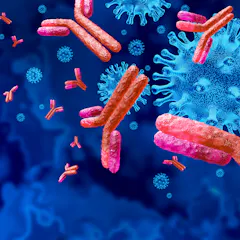
The new bivalent boosters against COVID-19 have failed to halt omicron infections. However, new technologies are being developed that pave a way forward.

The FDA’s authorization of COVID-19 shots for children ages 6 months to 4 years will bring relief for millions of parents. Pending CDC endorsement, shots for this group will be available within days.

A new generation of vaccines and boosters against SARS-CoV-2 may take a page from the anti-influenza playbook, with shots periodically tailored to target the most commonly circulating virus strains.
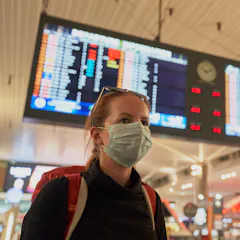
Given the Omicron variant has already spread beyond southern Africa, a ban on travellers from those countries will slow the spread and buy crucial time, but won’t stop this strain in its tracks.

Making rapid antigen tests for COVID-19 cheaper and more accessible can catch the infectious cases before they spread and help everyone resume normal activities safely.

A 2015 paper on chicken virus evolution is being taken out of context and used to fuel fears about COVID-19 vaccines. Its lead author aims to clarify the science in hopes of saving lives.

New variants of the COVID-19 virus may be more contagious and cause more severe disease than the original. A pediatrician and infectious disease specialist explains why.

Vaccines can’t provide 100% protection, so it’s not a failure or surprise when some vaccinated people get sick with COVID-19. The good news is their cases are much less likely to be severe or fatal.

Weeks do matter when it comes to the Delta strain. With Australia still heavily reliant on the AstraZeneca vaccine, for now it makes sense to reduce the time between the first and second jab.
AstraZeneca, Pfizer and Moderna appear equivalent in reducing your chance of serious illness from COVID-19.

Even if we came up with a definition of what makes the “best” vaccine, we don’t have the luxury of choice, when vaccines are in short supply.
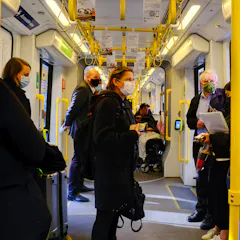
The COVID-19 variant responsible for Victoria’s latest outbreak is one of three Indian variant sub-types, which spreads more easily than the original strain. Here’s what we know so far.
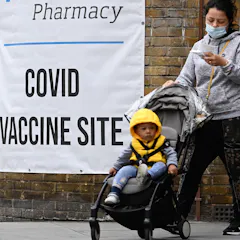
New, early-stage research suggest that B16172 does have some ability to escape the effects of vaccines.
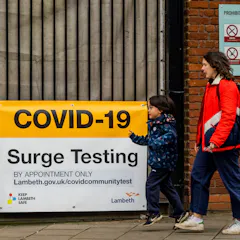
Variants of interest and variants of concern seem to be popping up at an alarming rate. But how many of them do we really need to worry about?
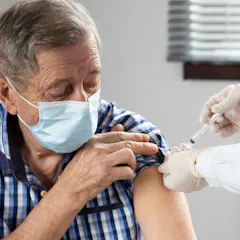
A public health expert outlines what Britons can expect from their upcoming booster programme.
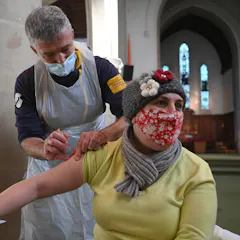
Research has shown that vaccines have reduced infections, disease and hospitalisations – but will they continue to do so in the face of new variants?

As the Indian variant becomes more prevalent within our borders, anti-South Asian sentiment is also growing, putting the community at a higher risk of hate crimes.
A viral immunologist answers key questions about the B16172 variant.
Top contributors
-

Instructor of Human Immunology, Emory University
-
Professor, Biology, York University, Canada
-
Associate Professor in Cellular Microbiology, University of Reading
-
Assistant Professor of Global Health and Microbiological Sciences, Executive Director - Center for Sustainable Development (Earth Institute), Columbia University
-
John Thwaites is a Friend of The Conversation.
Chair, Monash Sustainable Development Institute & ClimateWorks Australia, Monash University
-
Associate Research Professor, Barcelona Institute for Global Health (ISGlobal)
-
Science Lead Genomics & Bioinformatics, ESR
-
Research Fellow, The Peter Doherty Institute for Infection and Immunity
-
Professor of Epidemiology, Medicine, and Infectious Diseases and Microbiology, University of Pittsburgh
-
Postdoctoral researcher, The Peter Doherty Institute for Infection and Immunity
-
Associate Professor in Viral Immunology, University of Birmingham
-
Director, COVID-19 genomics UK Consortium (COG-UK) and Professor of Public Health & Microbiology, University of Cambridge
-
Professor of Health Psychology and Director of the UCL Centre for Behaviour Change, UCL
-
Senior Lecturer, The University of Queensland
-
Professor of Medicine, Bond University