

Proper hygiene, vaccinations and healthy habits can all reduce the spread of diseases in school.
Articles on COVID-19 variants
Displaying 1 - 20 of 134 articles

Research shows that rapid antigen tests are performing as well at detecting the most recent dominant variants as they did with the earliest strains in the COVID-19 pandemic.
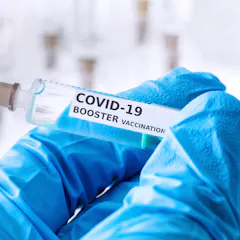
Only time and data will tell whether the CDC-recommended reformulated shots can stand their ground against the ever-changing SARS-CoV-2 variants.

Many questions remain about next steps for US vaccine policy. But the FDA advisory panel’s hearty endorsement of a single-composition COVID-19 vaccine represents a pivotal step.
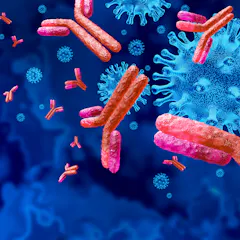
The new bivalent boosters against COVID-19 have failed to halt omicron infections. However, new technologies are being developed that pave a way forward.

After a year of omicron variants, will we ever see a new variant of concern?

New Zealand has done better than most countries by taking decisive action at the start of the COVID pandemic. Now is the time to build on this with a science-based strategy to manage the next stages.
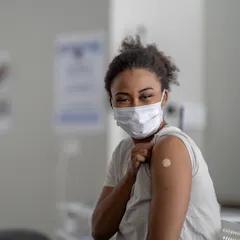
Early on, public health messaging focused on the need for vaccines to combat COVID-19. But far less attention has been given to the role of boosters in preventing deaths and reducing inequities.

On the horizon: A new omicron-focused version of the Moderna vaccine that may offer longer protection and a stronger immune response.

The FDA’s authorization of COVID-19 shots for children ages 6 months to 4 years will bring relief for millions of parents. Pending CDC endorsement, shots for this group will be available within days.

An inhaled COVID-19 vaccine would go directly to where the body would use it: the mucosal surface of the airways. This could mean less waste and more benefit, lower costs and reduced side-effects.

What’s the difference between a variant and a subvariant? It’s all in the behaviour.
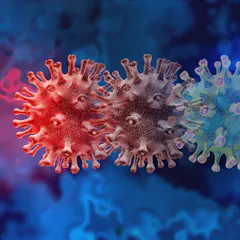
It’s hard to keep up. But new Omicron sub-variants are emerging that may lead to reinfections and another spike in cases.

Instead of minimizing current or future waves of COVID-19, we need strategies to deal with new variants efficiently. Only then can we live with the virus in a healthy way.
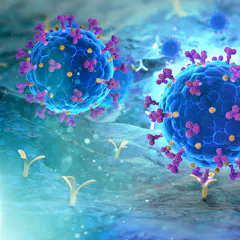
More than 1,000 cases of omicron XE have been detected in the UK so far. But we shouldn’t be seriously concerned at this stage.

Our best chance of limiting the emergence of new recombinant COVID variants is to limit the spread of infections, using public health measures to slow and suppress the virus.
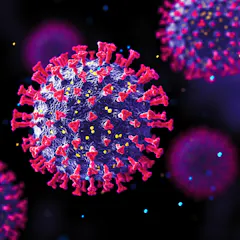
The latest addition to the omicron lineage has been making waves in Europe. Whether it will do the same in the U.S. depends on rates of vaccination and prior infection.

Hybrid viruses that are part delta and part omicron have been found in Europe and North America.

COVID cases are predicted to rise as we face another variant. So a 4th shot to top up our immunity is looking more likely as we head into winter.

Scientists have been testing captive and wild animals for the coronavirus since the pandemic began. Only a few wild species are known to carry the virus, but many more have been shown to be susceptible.
Top contributors
-

Professor, Biochemistry, Trinity College Dublin
-
Professor in Applied Mathematics, University of Canterbury
-
Professor of Microbial Evolution at The Milner Centre for Evolution, University of Bath
-
Adjunct professor, Te Herenga Waka — Victoria University of Wellington
-
Professor of Public Health, University of Otago
-
Instructor of Human Immunology, Emory University
-
Director of the Centre for Epidemic Response and Innovation (CERI) at Stellenbosch University and the KwaZulu-Natal Research Innovation and Sequencing Plaform (KRISP)., Stellenbosch University
-
Senior Lecturer, University of Auckland, Waipapa Taumata Rau
-
Early Career Research Leader, Emerging Viruses, Inflammation and Therapeutics Group, Menzies Health Institute Queensland, Griffith University
-
Professor of Public Health, University of Otago
-
Professor of Pathology, Microbiology and Immunology, University of South Carolina
-
Principal Medical Scientist at National Institute for Communicable Diseases (NICD), National Institute for Communicable Diseases
-
Professor, Biology, York University, Canada
-
Senior Lecturer, The University of Queensland
-
Associate Professor and Research Leader in Virology and Infectious Disease, Griffith University