
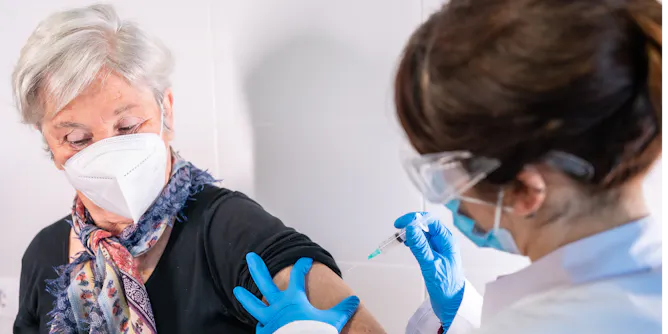
Tensions run high as EU vaccine deliveries fall behind schedule, while new vaccines are being created to handle mutant viral strains.
Articles on COVID-19 variants
Displaying 121 - 134 of 134 articles
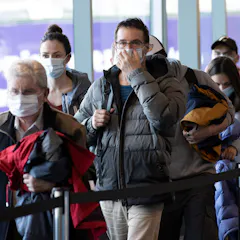
With quarantine infection numbers and border failures likely to keep increasing, the case for stricter travel restrictions is clear.
Neutralising antibodies aren’t the only game in town.
Without improvements to New Zealand’s ‘makeshift’ border quarantine system the risk of further community cases of COVID-19 variants remains high.

The right to return is real but not absolute, and must be balanced with the rights of those already in New Zealand.
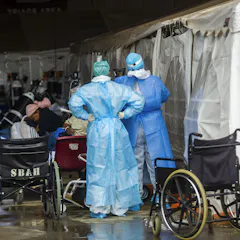
Scientists have observed that 501Y.V2 has quickly become “dominant” among multiple variants that have been circulating in the South African population.

A variant with a higher transmission rate is much more dangerous than one with just a higher fatality rate.

Multiple COVID-19 variants are circulating around the world and becoming more common. These mutations can alter the ability of the virus to take hold and replicate within our cells.
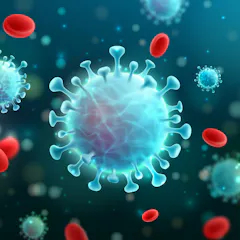
A virus that is 30% more transmissible is more deadly than a virus that is 30% more deadly. Counter-intuitive but true.
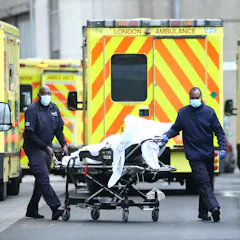
Your chance to ask a panel of experts about the coronavirus variants at 12.30pm GMT on Wednesday January 27.

So-called ‘variants of concern’ have been cropping up since November.

Analysis of smartphone data shows why countries need to coordinate border closures to stop the spread of the new variant.
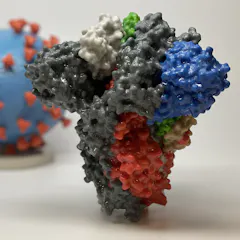
It’s the part of coronavirus that helps the virus get into your cells – and also the target of the leading vaccines.
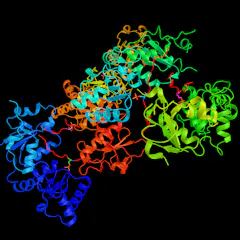
Mutations in BRCA genes are linked to the early onset of breast and ovarian cancers. But the effect of most mutations is unclear. Now new research can distinguish harmless from dangerous mutations.
Top contributors
-

Professor, Biochemistry, Trinity College Dublin
-
Professor in Applied Mathematics, University of Canterbury
-
Professor of Microbial Evolution at The Milner Centre for Evolution, University of Bath
-
Adjunct professor, Te Herenga Waka — Victoria University of Wellington
-
Professor of Public Health, University of Otago
-
Instructor of Human Immunology, Emory University
-
Director of the Centre for Epidemic Response and Innovation (CERI) at Stellenbosch University and the KwaZulu-Natal Research Innovation and Sequencing Plaform (KRISP)., Stellenbosch University
-
Senior Lecturer, University of Auckland, Waipapa Taumata Rau
-
Early Career Research Leader, Emerging Viruses, Inflammation and Therapeutics Group, Menzies Health Institute Queensland, Griffith University
-
Professor of Public Health, University of Otago
-
Professor of Pathology, Microbiology and Immunology, University of South Carolina
-
Principal Medical Scientist at National Institute for Communicable Diseases (NICD), National Institute for Communicable Diseases
-
Professor, Biology, York University, Canada
-
Senior Lecturer, The University of Queensland
-
Associate Professor and Research Leader in Virology and Infectious Disease, Griffith University