
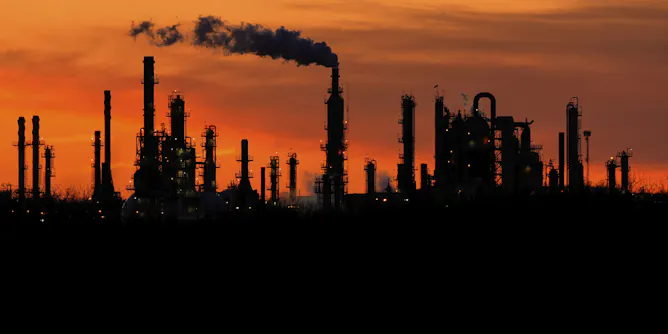
Can a coalition of governments and other stakeholders gathering in Santa Marta make progress where other international efforts have failed?
Articles on COP28
Displaying 1 - 20 of 90 articles
A finance deal at Baku that delivers meaningful climate action for developing countries seems a long way off.
By pledging no new fossil fuel licenses, the UK Labour party could aid a new international norm.

Offsetting greenhouse gas emissions can be an effective tool for limiting global warming. But many offset projects fail to meet their GHG reduction targets.
While some countries are more likely than others to sign an international agreement to phase out fossil fuels, measures to tackle fossil fuel demand by adding a higher carbon price are essential.
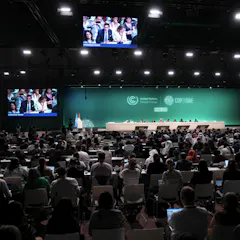
Subnational authorities are leading the charge on a just transition and dealing with climate change impacts. It is time for this key role to be reflected in international climate negotiations.
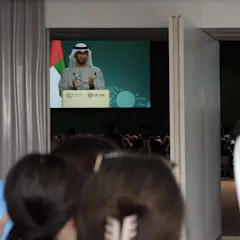
Beyond the international negotiations, COP serves as a critical venue for global civil societies to exchange knowledge, organize and build a better world.
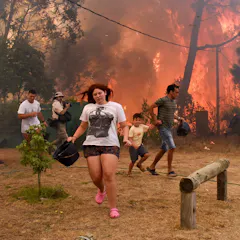
Without urgent action, Earth is heading for climate catastrophe. Yet there are reasons for hope in 2024 – including a possible peak in global greenhouse gas emissions.
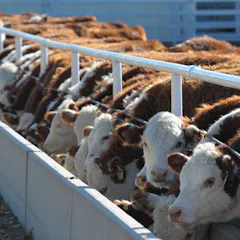
A new way of measuring emissions may let the biggest polluters evade their responsibility to tackle climate change.

Hydrogen will not be used to heat UK homes in the future in any meaningful way.
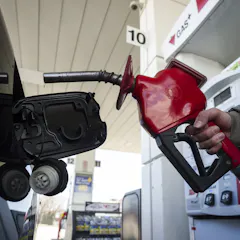
We look to politicians to provide climate change solutions, but there is only so much they can do. Beyond regulation, governments should remember the key role they play in promoting innovation.
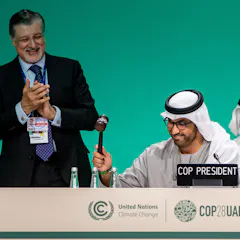
Our expert roundup of who left the latest UN climate summit happy and who went home empty handed.

The UN climate conference brought some progress. A former UN official who has been involved in international climate policy for years explains what has to happen now for that progress to pay off.
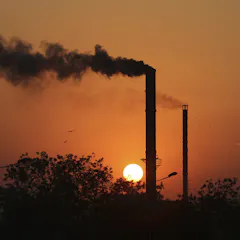
Carbon pricing can be a powerful tool to combat climate change and reduce emissions, but it needs to be accompanied by improved regulations, clean technology subsidies and financing mechanisms.
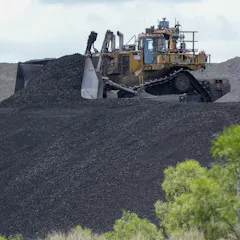
Australia supported a phase-out of fossil fuels at the recent UN climate summit but is still expanding coal and gas production. It’s a contradiction that threatens the planet. There is a better way.
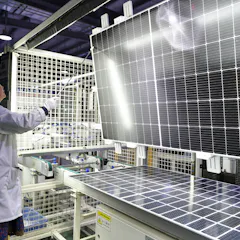
Africa must guard against new environment friendly trade rules that leave the continent in the poor position of exporting raw materials that developed nations use to manufacture green energy systems.

From a ‘litany of loopholes’ to a lopsided deal on loss and damage.
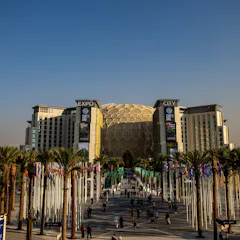
COP28 had almost 100,000 delegates, most of whom weren’t involved in the negotiations.
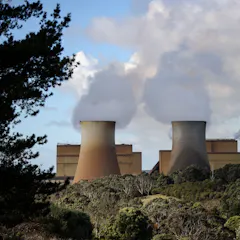
The deal is a global aspiration, not a legally binding agreement. But it should end the idea that burning carbon – in Australia and elsewhere – can continue on a significant scale beyond 2050.
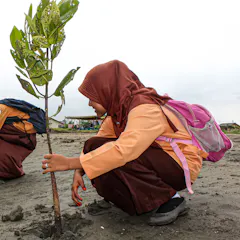
Even with rapid reductions in emissions, we will still need to adapt to a harsher climate.
Top contributors
-

Research Associate, Institute for Climate Risk and Response, UNSW
-
Lecturer in Climate Change, Politics and Society, University of Bristol
-
Ph.D. Candidate in Philosophy, Political Studies, and Sociology, Université du Québec à Montréal (UQAM)
-
Professor of Energy Systems, UCL
-
Professor of Infrastructure Engineering and International Development, UCL
-
Professor of Practice in Climate Policy, University of Oxford
-
Ph.D. Candidate in International Relations (Global Environmental Governance and Diplomacy), McGill University
-
Lecturer (Political Science), University of Lagos
-
Professor of International Relations, The University of Queensland
-
Professor of Earth System Science, UCL
-
Associate Professor in Political Theory and Public Policy, UCL
-
Associate Professor & Purdy Crawford Chair in Business Law, Dalhousie University
-
Senior Lecturer in Climate Justice, University of Bristol
-
Senior Lecturer in Chemical Engineering and Renewable Energy, Queen Mary University of London
-
Lecturer in International Development, UCL