
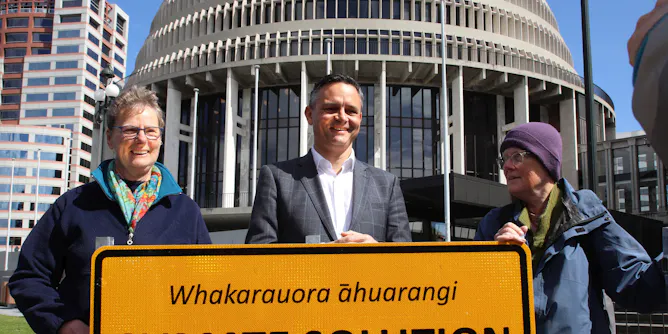
New Zealand’s international pledges, domestic laws and carbon budgets run on different timelines. They could be better aligned to make sure everyone understands how Aotearoa plans to cut emissions.
Articles on COP26
Displaying 41 - 60 of 278 articles
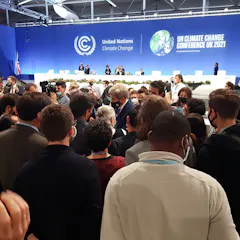
Listen to the fifth and final episode of a series from The Anthill Podcast, reporting from what happened at the COP26 climate change summit in Glasgow.
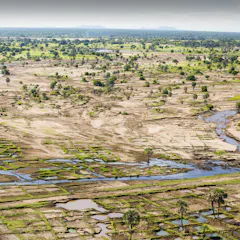
The financial outcome of COP26 is a glass half full, but it’s not far from a failure.

For over a decade, the inclusion of oceans in climate talks has been piecemeal and inconsistent. And yet, the ocean is critical to help balance the conditions we need to survive.

The recent climate conference in Glasgow, Scotland, shows that climate change deniers have shifted their tactics to thwart the efforts of countries to phase out fossil fuel use.
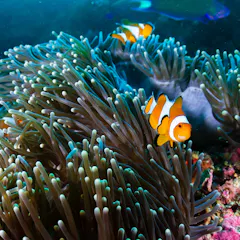
Carbon dioxide can be classed as pollution under the UN law of the sea and countries have an obligation to prevent it from entering the ocean.
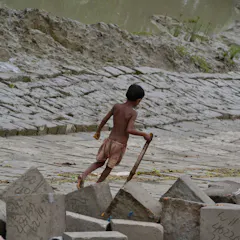
Research on the front lines of climate change highlights the need to address the mental health outcomes of extreme weather events.
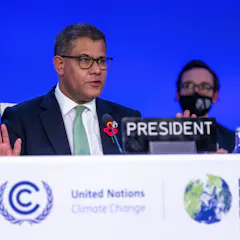
Experts from around the world react to the COP26 Glasgow climate summit. Listen to The Conversation Weekly podcast.

Western democracies need to create a financing program to support the energy transition in the Indo-Pacific — and to achieve both regional security and climate goals.

A group of powerful countries have agreed ‘green corridors’ for emissions-free shipping by 2025, but that’s not even half the battle.
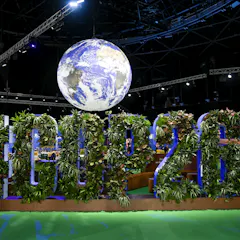
COP26 resulted in new climate commitments from countries across the world - here’s what they could mean for our future.
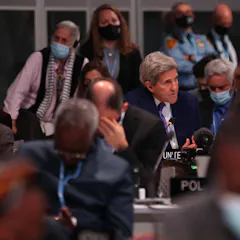
The world promised progress at the Glasgow climate conference. Now it has to turn those promises into reality. A former senior UN official describes what to watch for in the coming year.
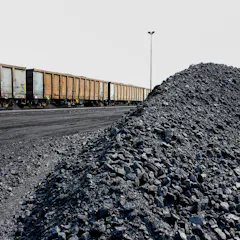
Details of the US$8.5billion funding South Africa is set to receive to support the move to a just transition and a climate resilient economy haven’t been made public yet. Here’s what’s clear so far.

The focus on building democracy should be on more intermediary outcomes, which can serve as building blocks for longer term democratic renewal.
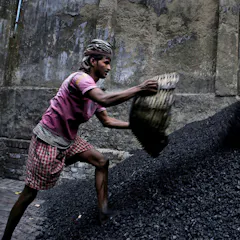
Rich countries like the UK have almost left coal power behind, but it’s not as easy for developing countries.
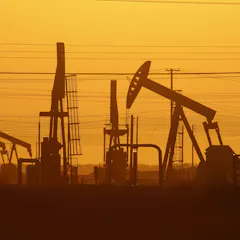
Reducing methane emissions could slow global warming quickly and buy time for the world to wean itself off fossil fuels. But it must not distract from the challenge to cut carbon dioxide emissions.

Removing carbon from the atmosphere raises political questions that should be addressed by democratic institutions.
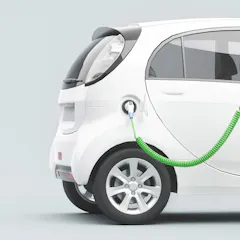
Electric cars are hailed as the best way to cut transport emissions, but it’s an illusion to think we can reduce our environmental impact without changing the way we design and move about in cities.

As well as helping to save the planet, climate action provides huge opportunities to enhance people’s health, security and economic prospects.
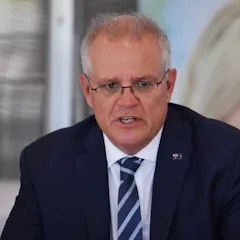
Word from The Hill: On Morrison’s character ratings
Michelle Grattan discusses politics with politics + society editor, Amanda Dunn
Top contributors
-

Professorial Fellow, University of Canberra
-
Environment + Energy Editor and Host of the Climate Fight podcast series, The Conversation
-
Research Associate, Institute for Climate Risk and Response, UNSW
-
Professor of Physical Climate Change; Director of the Priestley Centre for Climate Futures, University of Leeds
-
Professor of Practice in Climate Policy, University of Oxford
-
Visiting Fellow, Crawford School of Public Policy, Australian National University
-
Associate Professor of Law, University of Waikato
-
Head of Atmospheric, Oceanic and Planetary Physics, University of Oxford
-
Professor of International Relations, The University of Queensland
-
Professor, School of Economics, The University of Queensland
-
Professor Emerita, Department of Biological Sciences, Macquarie University
-
Professor of Political Philosophy, UNSW
-
Senior Research Fellow, School of Geography, Earth and Atmospheric Sciences, The University of Melbourne
-
Assistant Professor, Université Mohammed VI Polytechnique
-
Adjunct Professor of Energy, Murdoch University