
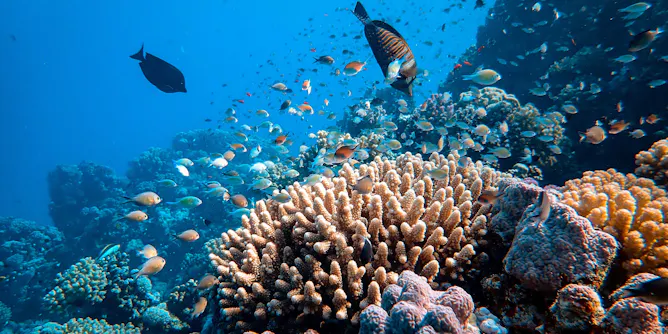
Work is still needed to collect more data on the carbon capture capacity of the country’s rich coastal ecosystems.
Articles on COP26
Displaying 121 - 140 of 278 articles
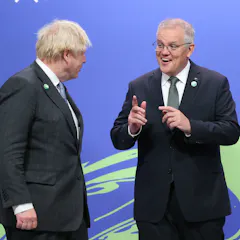
We already have most technologies Australia needs to make the clean energy transition. What’s missing is a plan to deploy them at huge scale.
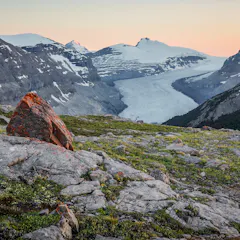
Policy-makers need the courage to commit to meaningful reductions of greenhouse gas emissions if we want to avoid the widespread loss of mountain glaciers.

Tea growers in Malawi and Kenya wanted site-specific climate information to help them manage and plan their farming practices to maximise yield and quality.
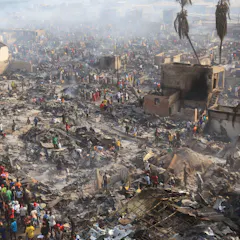
While promoting better risk reduction is always sensible, it leads to a tendency for disaster management systems to lean heavily on experience and systems designs of other countries

The global shipping sector delivers 90% of global trade and has a carbon footprint the size of Germany’s.
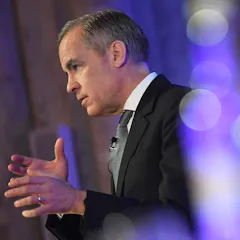
Banks are making inroads with investments, but that’s only one third of their activity.
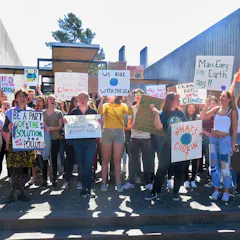
Supporting youth involvement in climate policymaking helps keep sustainability at the top of governments’ priorities.

Global leaders at COP26 need to understand what is at stake for each nation and build trust to achieve a successful outcome.
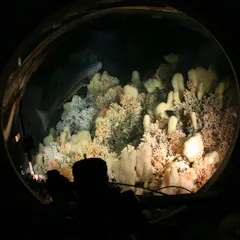
Cold-water corals live in the Atlantic’s frigid depths – and the UK is a stronghold for them.
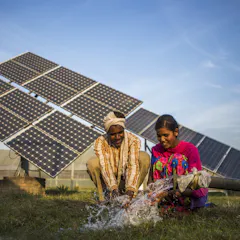
Early investments generate rapid cost reductions, while further delay simply slows innovation and compounds the climate crisis.

Research has found that poetry can make people feel the urgency of climate change more keenly.
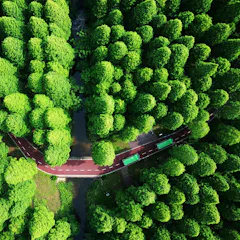
Yes, trees and soils can absorb and store carbon, but the carbon doesn’t stay stored forever. That’s one of the problems with how net-zero plans for the climate are being designed.
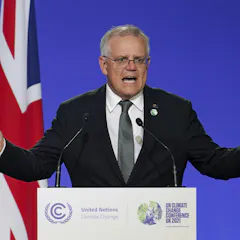
University of Canberra Professorial Fellow Michelle Grattan and Director of the Institute for Governance & Policy Analysis, Dr Lain Dare discuss the week in politics.
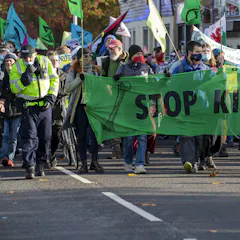
Week one in Glasgow has delivered more climate action than the world promised in Paris six years ago. But progress still falls well short of what’s required to limit warming to 1.5°C.
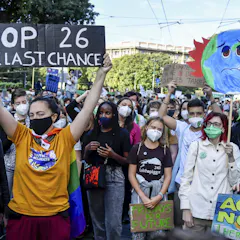
Research ethics focus on avoiding wrongdoing, having been developed largely in response to biomedical scandals. Climate change puts the onus on researchers to add ‘do good’ to ‘do no harm’ principles.
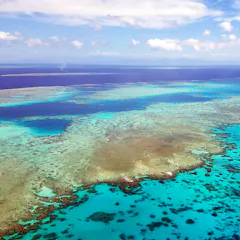
New research shows just 2% of the Great Barrier Reef remains untouched by bleaching since 1998. Its future survival depends on how much higher we allow global temperatures to rise.

Charles Darwin’s ideas about diversity of plants growing together is now inspiring researchers create healthier forests.

A good luck message from a senior climate scientist – and some advice on where to aim your anger.

Coal is the dirtiest fuel source – eliminating it is a priority for tackling climate change.
Top contributors
-

Professorial Fellow, University of Canberra
-
Environment + Energy Editor and Host of the Climate Fight podcast series, The Conversation
-
Research Associate, Institute for Climate Risk and Response, UNSW
-
Professor of Physical Climate Change; Director of the Priestley Centre for Climate Futures, University of Leeds
-
Professor of Practice in Climate Policy, University of Oxford
-
Visiting Fellow, Crawford School of Public Policy, Australian National University
-
Associate Professor of Law, University of Waikato
-
Head of Atmospheric, Oceanic and Planetary Physics, University of Oxford
-
Professor of International Relations, The University of Queensland
-
Professor, School of Economics, The University of Queensland
-
Professor Emerita, Department of Biological Sciences, Macquarie University
-
Professor of Political Philosophy, UNSW
-
Senior Research Fellow, School of Geography, Earth and Atmospheric Sciences, The University of Melbourne
-
Assistant Professor, Université Mohammed VI Polytechnique
-
Adjunct Professor of Energy, Murdoch University