
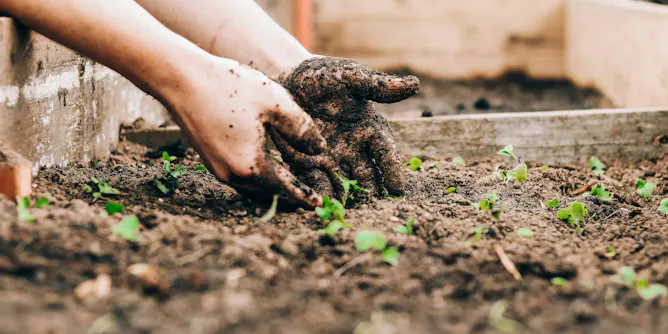
While contamination in soil is real, the benefits of gardening outweigh it, and there are plenty of simple, affordable steps gardeners can take to protect themselves.
Articles on Community gardens
Displaying 1 - 20 of 24 articles
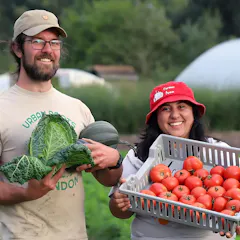
London, Ont., adopted Canada’s first stand-alone Urban Agriculture Strategy in 2017. Yet, almost eight years later, many of the strategy’s goals remain unrealized.
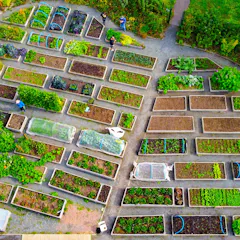
Community gardens can create access to local, fresh food that reduce reliance on convenience food.
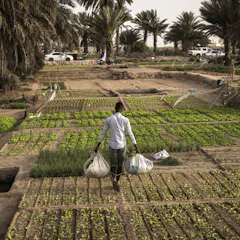
Young urban farmers in Khayelitsha are nurturing connections, creating economic opportunities, and promoting environmental conservation.
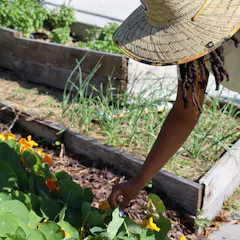
A study of dozens of city gardens and urban farms across the US and Europe found several ways to boost their benefits, not just for their neighborhoods, but for the planet.
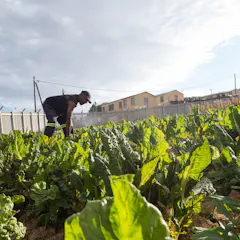
Community-centred approaches to urban agriculture have been successful in various parts of the world.

Failing to understand what communities consider important greatly diminishes the responsiveness of policies to the actual needs of individuals.
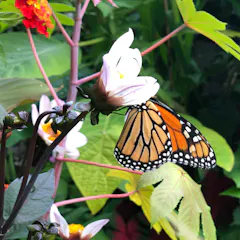
Gardens require huge labour, and outcomes like health, well-being or food security are affected by systemic barriers people face in cities and schools.
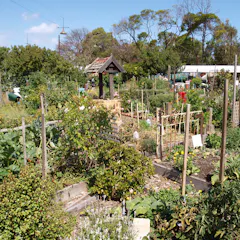
When community gardens are socially inclusive, everyone benefits. The knowledge, skills and experimentation of migrant and refugee gardeners makes them more resilient and biodiverse.
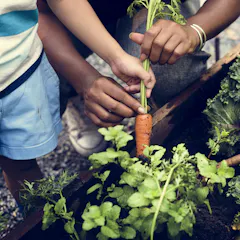
Ontario’s proposed Food Literacy Act for Students, a first in Canada, would mean students in grades 1-12 have opportunities to grow food and prepare food and learn about local foods.

An estimated 1 in 4 US children have trouble getting enough to eat at least sometimes. We asked four scholars for their insights..
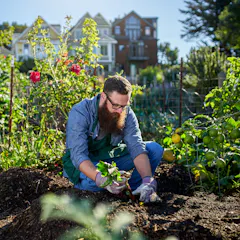
Nurturing enthusiasm for growing food closer to home could benefit people, wildlife and the global food system.

Hip food offerings can signal that a neighborhood is gentrifying – especially when they repackage traditional foods for wealthy white eaters.

The sight of empty shelves has led some Australians to look for alternative ways to feed themselves and their families. This is what history can teach us.

How gardening can make you happier and healthier.
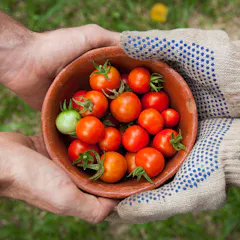
Community gardening improves people’s health, and our new study has found it does wonders for disadvantaged groups living in social housing.

Dense, high buildings limit the space available for urban greenery. But imaginative projects that involve the community can ensure nature and the city go hand in hand.

At society’s margins, people without access to the mainstream job economy are able to carve out lives rich in other resources and community.
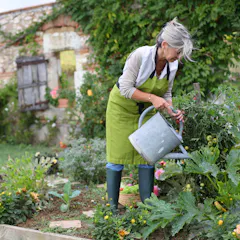
A growing body of research literature suggests time spent gardening is as good for the gardener as it is for the garden.

Essential reading for green-fingered urbanites and guerrilla gardeners.
Top contributors
-

Associate Professor, Centre for Creative and Cultural Research, Faculty of Arts and Design, University of Canberra
-
Lecturer, University of Leeds; University of the Western Cape
-
Professor, Gender & Women's Studies, Anthropology & Marine Affairs, University of Rhode Island
-
Professor of Human Geography and Planning, University of Tasmania
-
Associate Professor, Adult and Postgraduate Education, Western Sydney University
-
Professor, Griffith University
-
Senior Lecturer Teaching and Research, University of Dundee
-
Professor of Anthropology and Marine Affairs, University of Rhode Island
-
Associate professor, UNSW
-
Lecturer, Lancaster Environment Centre, Lancaster University
-
PhD Candidate, Griffith University
-
Lecturer in urban horticulture, The University of Melbourne
-
Associate Professor Department of Urban and Regional Planning, University at Buffalo
-
-
Professor, Centre for Educational Research, Western Sydney University