
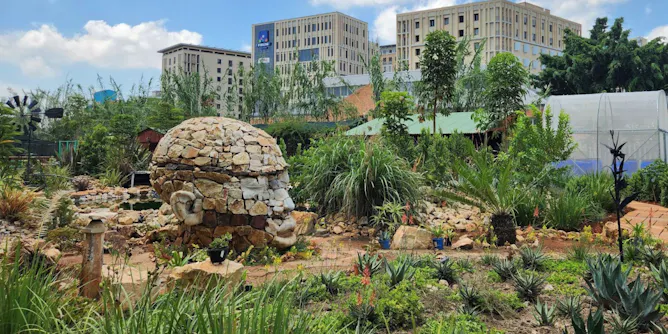
Parks do more than cool cities. They also help people work together to cope with climate change, but only if local communities help design, manage and care for them.
Articles on Urban agriculture
Displaying 1 - 20 of 36 articles

From roadside plots to community gardens, urban farmers in Alexandra township, South Africa are growing food, earning income and coping with climate change.

Hydroponic farming is a good way to grow fresh fruit and vegetables in South African cities where high levels of unemployment and poverty make these unaffordable.
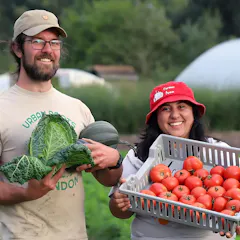
London, Ont., adopted Canada’s first stand-alone Urban Agriculture Strategy in 2017. Yet, almost eight years later, many of the strategy’s goals remain unrealized.

In praise of digging for potatoes.

Inside one of Australia’s maximum-security prisons, inmates and prison officers have created an indoor farm, growing herbs and leafy greens for the on-site café.
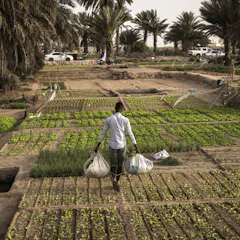
Young urban farmers in Khayelitsha are nurturing connections, creating economic opportunities, and promoting environmental conservation.
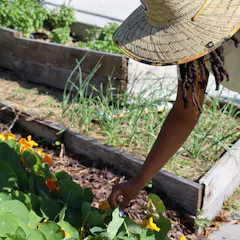
A study of dozens of city gardens and urban farms across the US and Europe found several ways to boost their benefits, not just for their neighborhoods, but for the planet.
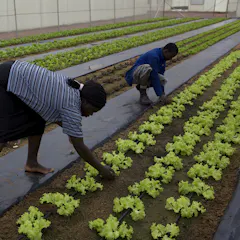
Urban farms can work in developing countries if farmers and architects are aware of conditions that favour food production in built spaces.
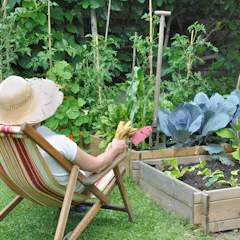
Really, how productive is the average home vegetable garden – and will it leave you hungry? It largely depends on space, soil and gardening skills.
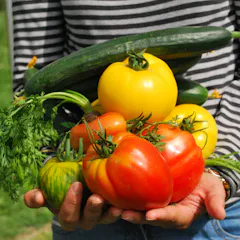
A ‘right to grow’ law encouraging more locally-grown food could boost health, community pride and food supply resilience.
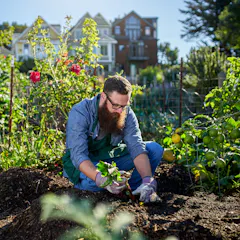
Nurturing enthusiasm for growing food closer to home could benefit people, wildlife and the global food system.

Policies should protect arable land from urban encroachment and make peri-urban households less vulnerable.
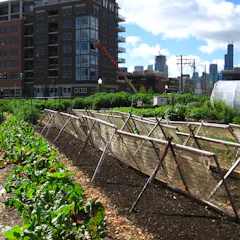
Urban farming can make it easier for city residents to obtain healthy, affordable food. But to raise big yields from small pieces of land, farmers need training and support.

Vertical farms grow more food but use much more energy, so let’s consider other kinds of urban agriculture.
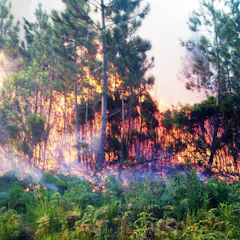
Invasive alien species that costs South Africa’s economy billions can be eliminated.
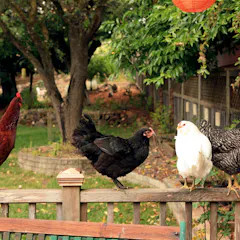
From Brooklyn to Los Angeles, thousands of Americans are raising chickens in their backyards. But without stricter regulation, urban poultry farming is risky for both humans and birds.
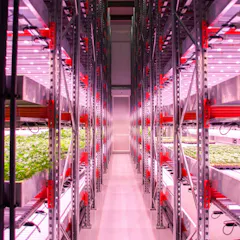
Hydroponics and aquaponics are already being used by the agriculture industry – is it time urban farmers got on board?
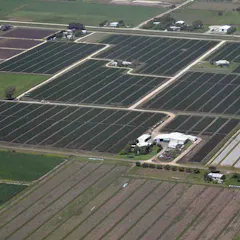
Sydney, Melbourne and many other areas can expect to pay more for veg from next month, after widespread crop losses in Bowen, a major source of winter vegetables such as tomatoes, beans and capsicum.

Urban consumers in Africa are rapidly growing and they are demanding high quality, pesticide free food.
Top contributors
-

Associate Professor in Food Systems, The University of Melbourne
-
PhD Candidate, School of Social Sciences, University of Tasmania, and Senior Research Consultant, Institute for Sustainable Futures, University of Technology Sydney
-
Researcher in sustainable food systems, The University of Melbourne
-
Chair Professor in Sustainability, Lancaster University
-
Senior lecturer in Sustainable and Climate Responsive Architecture, University of Pretoria
-
Lecturer, University of Leeds; University of the Western Cape
-
Professor of Regenerative Futures, University of Pretoria
-
Research Director, Institute for Sustainable Futures, University of Technology Sydney
-
Research Fellow, School of Natural and Built Environment, Queen's University Belfast
-
Senior Researcher in Urban Food Security and Food Systems, University of Cape Town
-
Professor of History, The University of Western Australia
-
Research Fellow: Food and Urban Systems, University of Helsinki
-
Associate Professor, Department of Entomology; African-American Studies, University of Illinois Urbana-Champaign
-
-
Professor of Urban Sustainability, University of Salford