

Put down the fertiliser.
Articles on Gardens
Displaying 1 - 20 of 100 articles
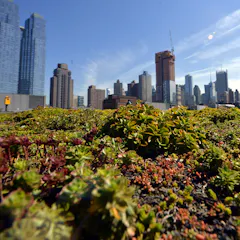
The success of green roofs depends on more than just good intentions and engineering – they need long-term love and care.

Mulch glue allows water and air to penetrate the soil, but there are concerns it may limit birds turning over and foraging in mulch.

There’s a growing trend to pave over front gardens.

The reflecting pool builds on a landscaping tradition of organising nature into orderly lines and geometric shapes. Nature did not always play along.
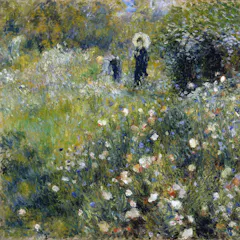
Social change made leisure gardens accessible to all – not just kings and aristocrats – at the same time as ‘the great horticultural movement’.
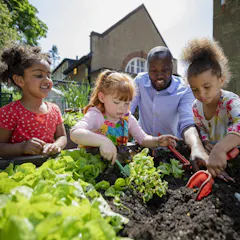
In an urbanized and globalized world, most kids aren’t directly connected to agriculture. School gardens can help them learn where their food comes from.

Their story crosses continents, cultures, languages and time.
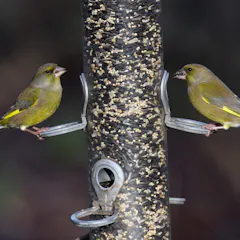
Summer feeding should be paused because this is a time when natural food sources such as caterpillars, bugs and flies, are much more abundant.
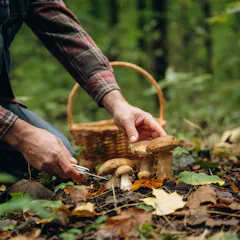
Throughout history people have foraged for local foods and used them in cooking, so what’s changed in the last few decades?
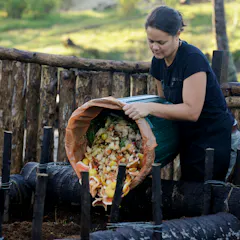
Is your compost a veritable Vesuvius of foul-smelling, putrescible plant waste? You might be doing everything wrong. Fear not; you can learn from your mistakes.

The slug forecast for 2026.

Is gardening a form of resistance in a world demanding endless efficiency and self-optimisation?

These gardens also played a religious role, offering a glimpse of what eternity might look like in the afterlife.

Chaos gardening is touted on social media as an easy, no-effort way to create a beautiful garden. A landscape specialist explains what to be aware of before chaotically tossing seeds around.
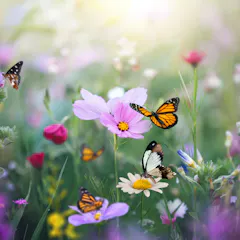
Uniquely colored flowers with big blooms might make for an aesthetically pleasing garden, but they can be unhelpful to pollinators. Careful consideration can help you plan a colorful and eco-friendly garden.

In praise of digging for potatoes.
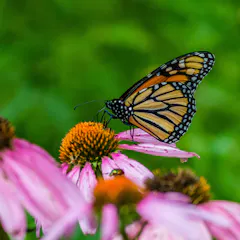
There is a wide range of simple actions anyone can take to regenerate and conserve biodiversity right at home.
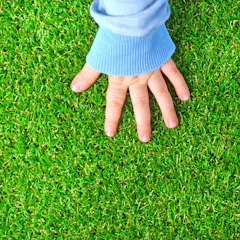
On a hot summer’s day in Melbourne, the artificial turf hit a top temperature of 72°C. This is sufficient to cause irreversible skin burns in just ten seconds.

The causes involve more than just habitat loss, but there are steps you can take to help save these delicate creatures
Top contributors
-

Senior Research Associate, School of Agriculture, Food and Ecosystem Sciences, The University of Melbourne
-
Principal Horticultural Scientist (RHS)/RHS Fellow, University of Reading
-
Adjunct Lecturer/ Ecologist, University of New England
-
Founder of Msit No’kmaq
-
Postdoctoral Researcher in Mycology, West Virginia University
-
PhD Candidate, Social Justice Education, Ontario Institute for Studies in Education, University of Toronto
-
Researcher, School of Life and Environmental Sciences, Deakin University
-
Senior Lecturer in Ecology, Royal Holloway, University of London
-
Professor in Environmental & Landscape Planning, University of Manchester
-
Vice Chancellor's Research Fellow in Ecology and Entomology, Edith Cowan University
-
Head of Urbanism, Centre for Sustainable Communities, University of Hertfordshire
-
Knowledge Exchange Fellow, University of Oxford
-
Lecturer, Lancaster Environment Centre, Lancaster University
-
Research Fellow Apiculture, University of Sussex
-
Professor in Zoology, James Cook University