

Uniquely colored flowers with big blooms might make for an aesthetically pleasing garden, but they can be unhelpful to pollinators. Careful consideration can help you plan a colorful and eco-friendly garden.
Articles on Urban gardening
Displaying 1 - 20 of 34 articles

Inside one of Australia’s maximum-security prisons, inmates and prison officers have created an indoor farm, growing herbs and leafy greens for the on-site café.

A landscape historian explains how a Victorian tradition became a tool for social change in 19th- and 20th-century Philadelphia.
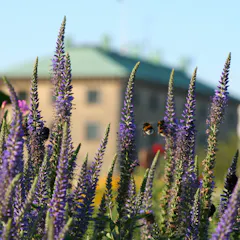
A biologist explains what to focus on if you’re designing a garden with pollinators in mind − and what you don’t need to worry about.
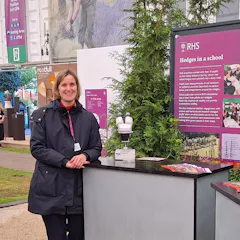
Public engagement through school projects and the RHS Chelsea Flower Show play a vital role in educating the public about the myriad of environmental benefits provided by the humble garden hedge.
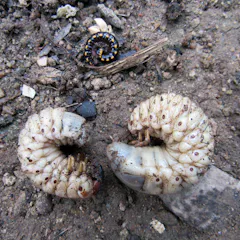
Many gardeners worry these large larvae might damage plants. But before you squish them, read this.

Urban farming is an ancient tradition in Bamberg, and the gardeners’ district is an integral part of the World Heritage City, growing food, promoting sustainability and fighting climate change.

Lead levels in backyard hen eggs are often much higher than in eggs bought in the shops. A new study of soil lead, chickens and eggs locates the high-risk areas in our biggest cities.
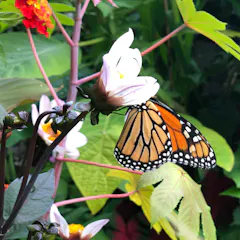
Gardens require huge labour, and outcomes like health, well-being or food security are affected by systemic barriers people face in cities and schools.

Publicly accessible gardens are an essential part of our food system. It’s important for policymakers to understand that growing food in city gardens is central to health, food security and culture.
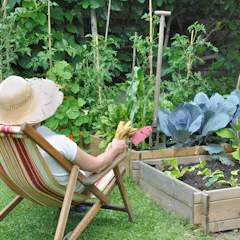
Really, how productive is the average home vegetable garden – and will it leave you hungry? It largely depends on space, soil and gardening skills.
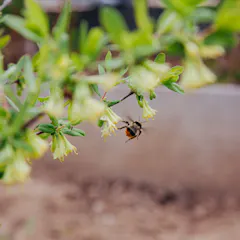
Up to 85% of the nectar available to pollinating insects in a city comes from gardens. What we plant – whether in an allotment or a window box – can make a huge difference.

Clean bird feeders and grow insect-friendly plants.
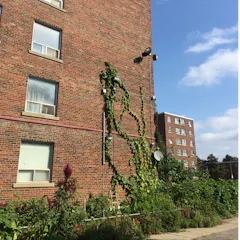
Plants support human health not only in terms of providing food, oxygen and shade. Our relationships with plants facilitate political decisions and actions that support health in the city.

The earth our towns and cities are built on is teeming with potential. It is under threat too
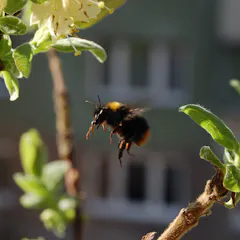
New research suggests that residential gardens are the source of 85% of the nectar produced in towns and cities.
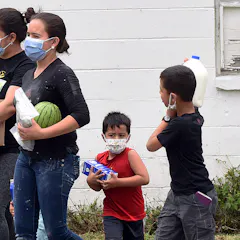
An estimated 1 in 4 US children have trouble getting enough to eat at least sometimes. We asked four scholars for their insights..
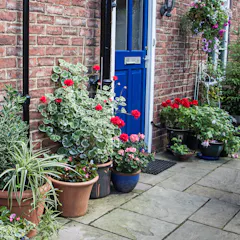
Two planters added to bare front gardens had as much benefit as eight weekly mindfulness sessions.
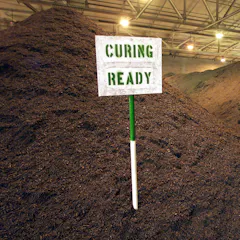
Turning food scraps and yard trimmings into compost improves soil, making it easier for people to grow their own food. City composting programs spread those benefits more widely.
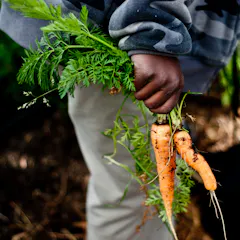
Victory gardens were popular during wartime, and have made a comeback during the current pandemic.
Top contributors
-

Associate Professor in Ecology, Northumbria University, Newcastle
-
PhD Candidate in Community Ecology, University of Bristol
-
Assistant Professor of Animal and Veterinary Sciences, University of Maine
-
Professor of Ecology, University of Bristol
-
Assistant Professor, Eakin Chair in Critical Qualitative Health Research Methodology, University of Toronto
-
Clinical Associate Professor, School of Medical Science & Sydney Infectious Diseases Institute; Principal Hospital Scientist, University of Sydney
-
Associate Professor of Botany, University of Reading
-
Vice Chancellor's Research Fellow in Ecology and Entomology, Edith Cowan University
-
Senior Lecturer in Marketing, Keele University
-
Academic, Landscape Architecture and Urban Ecology, The University of Melbourne
-
Associate Professor in Urban and Regional Planning, University of Sydney
-
Associate Professor of Nutrition Science, Purdue University
-
Assistant Professor of Dietetics and Nutrition, University of Dayton
-
Director of International Activities, Faculty of Health, University of Technology Sydney
-
Professor of Animal Organization Studies, University of York