
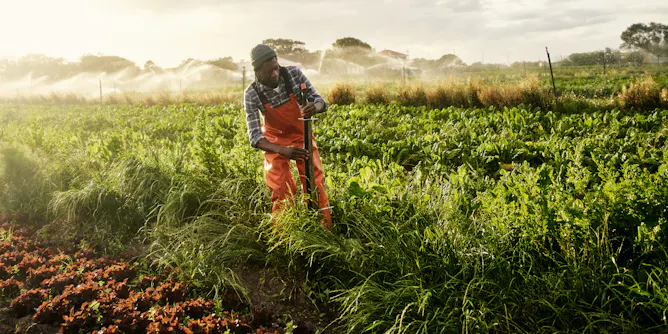
Thousands of hectares of communal land set aside for smallholder farmers’ use in South Africa are lying fallow because of collapsed government irrigation systems.
Articles on Communal land
Displaying all articles

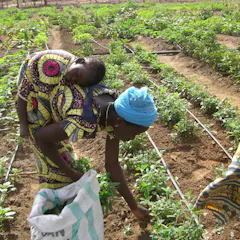
Competition for shea trees is rising in west Africa, leaving the poorest women collectors with less access and fewer gains.

Land disputes arise when the fundamental principles of customary law are breached. The breach can be at the hands of the state or its representatives.
The judgment highlights the lack of interest by successive government ministers in curtailing the self-interested actions of rural elites.
The proposed new law has a long history. The country has been trying for almost 12 years now to come up with expropriation legislation that is in line with the constitution.

Colonialism and apartheid sought to make traditional leaders accountable to white officials by tying them to land.

Villagers from a community in South Africa’s Eastern Cape fought to be consulted and for the power to consent to mining their land.

The main reason land reform in South Africa has been lethargic is not the Constitution, but a flawed approach.

Shortcomings of Namibia’s land reforms suggest that voluntary, market-based transactions might not be suitable.
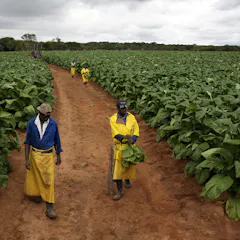
A new land administration system that responds to changed ownership patterns of Zimbabwe’s agricultural land is needed if the country is to harness its farming potential.
The conventional view is that insecurity of land tenure results from the lack of a registered title deed which records the property rights of occupants of land or housing.
Top contributors
-

Emeritus Professor, Poverty, Land and Agrarian Studies, University of the Western Cape
-
Professorial Fellow, Institute of Development Studies
-
Researcher at the Centre for African Studies, University of Basel
-
Associate professor, University of Cape Town
-
Associate Professor of History, Southern Methodist University
-
Lecturer, University of the Free State
-
Assistant Professor, Department of Food and Resource Economics, University of Copenhagen
-
Researcher, Department of Food and Resource Economics, University of Copenhagen
-
Associate Professor, Sociology, University of Fort Hare
-
Associate Professor of Law, North-West University
-
Sociology Lecturer, University of Namibia
-
Research Fellow and Ad Hoc Lecturer, University of KwaZulu-Natal