
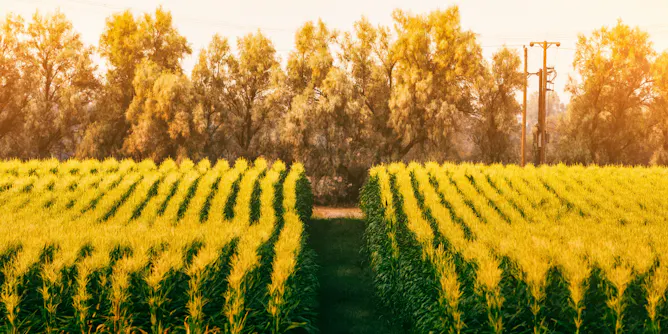
Trade within the Southern African Development Community is an issue holding back agriculture.
Articles on Land tenure
Displaying 1 - 20 of 28 articles

Competition for shea trees is rising in west Africa, leaving the poorest women collectors with less access and fewer gains.

There’s a significant shift towards the recognition of customary rights and the strengthening of women’s land rights.

In South Africa’s Makanaskop, the kraal is a sacred space for rituals but small plots with outside toilets undermine this cultural use.

Africa’s share of the world’s agriculture exports is low and has deteriorated over time.
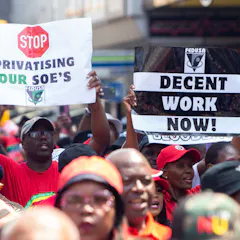
Elites have often shaped or manipulated state policies in ways that protect their interests and reinforce inequality.
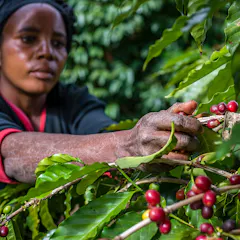
Land systems shape how foreign investment happens and what impact it has.
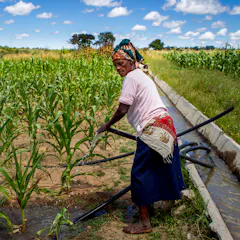
Small-scale irrigation schemes in southern Africa can produce more food, support more jobs and be more profitable for the local community.

South Africa’s land reform minister should be distributing land owned by the government to black farmers rather than fussing about new laws.
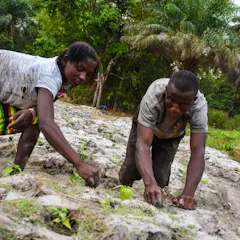
Women in the Grafton community of Sierra Leone are often left with restricted land ownership rights.

Private conservation groups channel huge sums of money to parks and protected areas around the world, but often have failed to protect basic rights of Indigenous people living on those lands.

Women’s relationship to the environment is shaped by their social position.
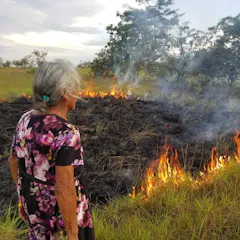
Controlled burns can benefit ecosystems and prevent wildfires burning out of control.
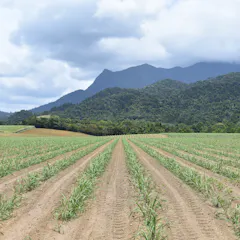
Threatened species don’t just live in national parks. Almost half of their distributions are on private land.
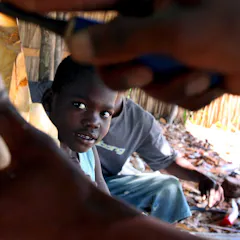
More than 100 nations have pledged to end deforestation by 2030. But there’s no mention of the need for Indigenous people to give their prior informed consent.
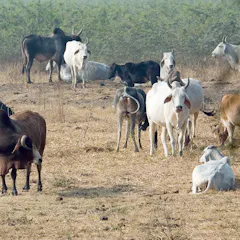
Critics have said that ranching is environmentally unsustainable because it results in land degradation. There are other reasons it’s not the solution.
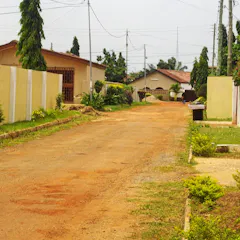
Ghana’s ineffective land administration system has serious implications
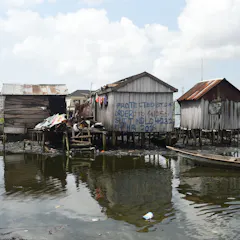
In Lagos, many people pay property tax not because they receive public services but to feel more secure and create a record of their presence.
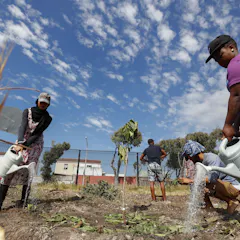
A survey shows that support for land reform in South Africa differs according to race.
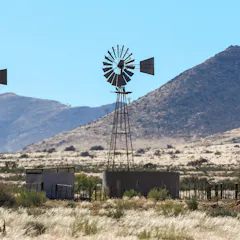
Shortcomings of Namibia’s land reforms suggest that voluntary, market-based transactions might not be suitable.
Top contributors
-

Senior Fellow, Department of Agricultural Economics, Stellenbosch University
-
Emeritus Professor, Poverty, Land and Agrarian Studies, University of the Western Cape
-
Professorial Fellow, Institute of Development Studies
-
Senior lecturer, Rhodes University
-
Lecturer in the School of Geography, Archaeology and Environmental Studies, University of the Witwatersrand
-
Research Director: Developmental, Capable and Ethical State (DCES) research division, and Coordinator of the South African Social Attitudes Survey (SASAS), Human Sciences Research Council
-
Researcher at the Centre for African Studies, University of Basel
-
Professor and Research Theme Leader of the Flourishing Life Research Theme, University of the Free State
-
Senior Lecturer, Development Studies, University of Pretoria
-
Research Fellow, Tegemeo Institute, Egerton University
-
Emeritus Associate Professor in Public Law, UCT. Visiting Adjunct Professor, WITS School of Governance; Director, Africa Programme, University of Cambridge Institute for Sustainability Leadership, University of Cambridge
-
Sociology Lecturer, University of Namibia
-
Lecturer, Rhodes University
-
Research Associate, King's College London
-
Professor of Management, University of North Carolina – Greensboro