

South Africa needs to track whether beneficiaries of land reform policies are participating in the country’s thriving wildlife economy.
Articles on Africa land reform
Displaying 1 - 20 of 27 articles

Land disputes arise when the fundamental principles of customary law are breached. The breach can be at the hands of the state or its representatives.
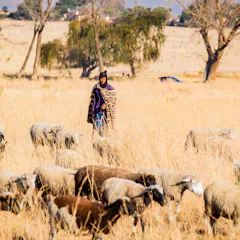
South Africa’s land reform programme is designed for a socio-economic context that doesn’t exist.

Colonialism and apartheid sought to make traditional leaders accountable to white officials by tying them to land.
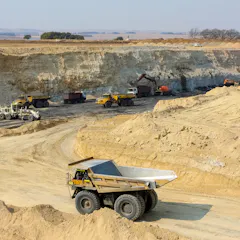
South Africa’s rural communities where mining licenses have been granted are often excluded from consultations and bear the brunt having their environment and livelihoods destroyed.

Villagers from a community in South Africa’s Eastern Cape fought to be consulted and for the power to consent to mining their land.

The main reason land reform in South Africa has been lethargic is not the Constitution, but a flawed approach.
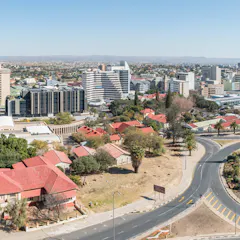
The question of land has been hotly contested in Namibia ever since independence.
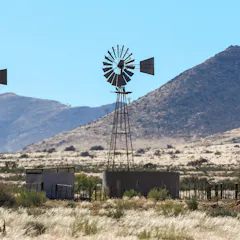
Shortcomings of Namibia’s land reforms suggest that voluntary, market-based transactions might not be suitable.
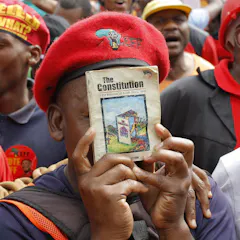
South Africa’s constitution has been amended 17 times already. But, the procedure for doing so is onerous.
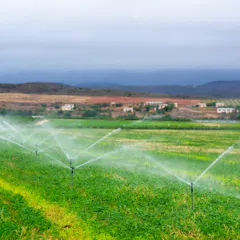
South Africa urgently needs to rethink its existing agricultural model.
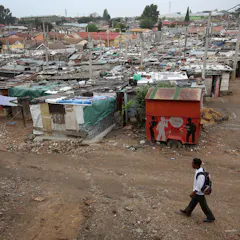
The current debate about land reform in South Africa could open the door to reviewing urban land ownership issues.
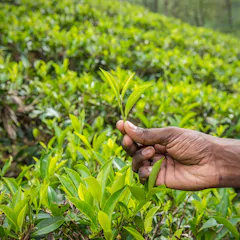
South Africa’s land reform programme will fail if it continues to neglect smallholder farming.

South Africa’s land reform process will fail if it continues to neglect small and emerging black farmers.

Some communities on South Africa’s Platinum Belt have received substantial mining revenues, but these are controlled by chiefs.

In practice, land expropriation in South Africa will be a matter of deciding which descendants of the dispossessed are entitled to it.
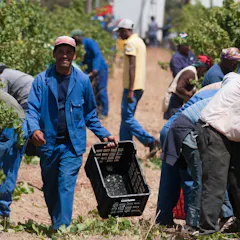
South Africa’s land policy is flailing around in the dark, with the haziest of understandings of how well or how badly land reform is doing.

A tumultuous era has ended and there’s a silver lining to the cloud that has been hanging over South Africa.
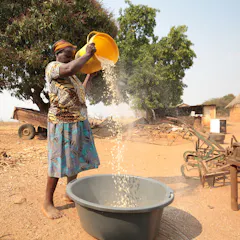
Maize production in Zimbabwe in 2017 is at its highest for decades.
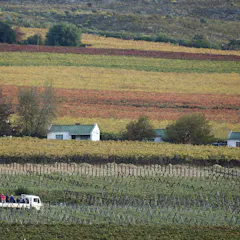
There is very little clarity as to who owns what land in South Africa. A lack of reliable data and statistics doesn’t help.
Top contributors
-

Emeritus Professor, Poverty, Land and Agrarian Studies, University of the Western Cape
-
Associate Professor, Sociology, University of Fort Hare
-
Professor, Institute for Poverty, Land and Agrarian Studies, University of the Western Cape
-
Lecturer in the School of Geography, Archaeology and Environmental Studies, University of the Witwatersrand
-
Visiting Senior Fellow, Department of International Development at the London School of Economics and Political Science and Visiting Senior Research Fellow, The Open University
-
Professorial Fellow, Institute of Development Studies
-
SA UK Bilateral Research Professor in Political Theory, Wits and Cambridge, University of the Witwatersrand
-
Professor of History, University of Botswana
-
Researcher at the Centre for African Studies, University of Basel
-
Sociology Lecturer, University of Namibia
-
Associate professor, University of Cape Town
-
Associate Professor, University of Ghana
-
Research Fellow in Residence with focus on Future Africa at the Centre for Advancement of Scholarship, University of Pretoria
-
Extraordinary Professor, Department of Political Sciences, University of Pretoria
-
Senior Lecturer in Social Anthropology, SOAS, University of London