
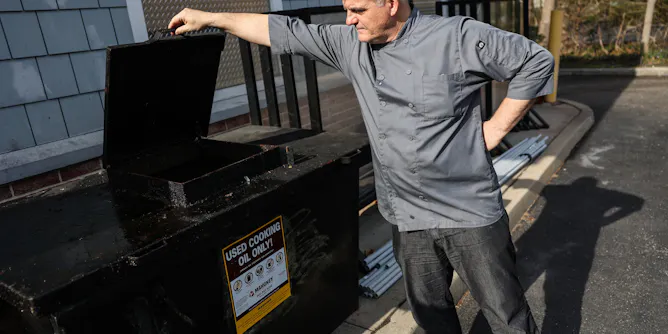
No longer viewed only as waste, used cooking oil is a common ingredient in biofuels.
Articles on Cotton
Displaying 1 - 20 of 35 articles
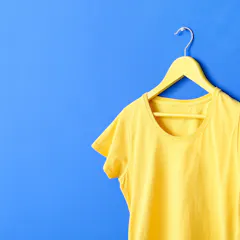
Two garments made from the same fibre may have very different environmental footprints depending on how they were processed and finished.
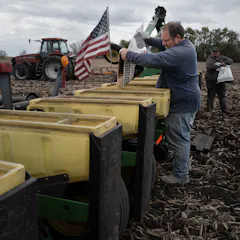
When huge companies assert their patents, smaller businesses and public plant breeders are dissuaded from conducting research that might not be illegal at all.
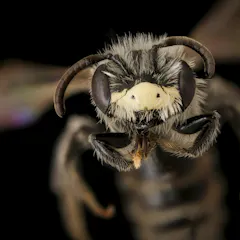
The accusations you might have heard about nonnative honey bees aren’t backed up by evidence. In fact, there are plenty of ways bees make the world a better place.
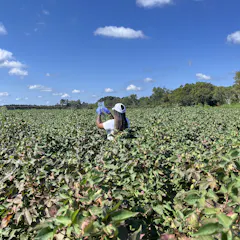
AI can help farmers be more effective and sustainable, but its use varies from state to state. A project in Georgia aims to bring the technology to the state’s cotton farmers.

You followed the instructions, but the garment still shrunk. Here’s why that can happen – and what to do about it.
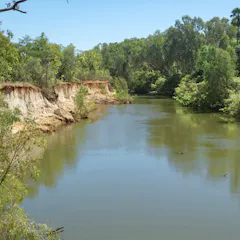
The NT government has given billions of litres of water from the Roper River to irrigators. When will Australia start managing our rivers for the future?
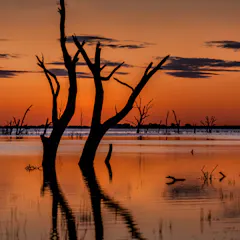
The findings are simply unacceptable for a natural asset so fundamental to Australia’s environmental, cultural and economic wellbeing.

Wool, cotton, polyester? Here’s what we found when it comes to choosing the right textiles for sleep.

Next time you do your laundry, think like an astronaut – wash your clothes as little as possible.
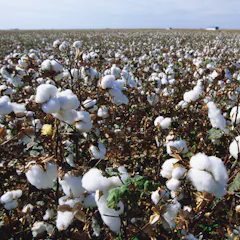
Cotton is one of the world’s largest crops and is harvested with large, heavy machines. Robotic harvesting could yield higher-quality cotton with less damage to plants and soil.
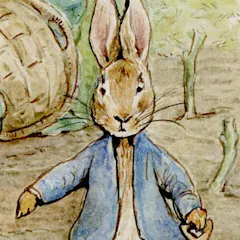
Beatrix Potter’s silence concerning her sources means the Brer Rabbit folktales that helped create her stories are passed over without acknowledgement or celebration.
The fashion industry is responsible for around 5% of global greenhouse gas emissions. It’s high time global fashion brands invest in greener alternatives.
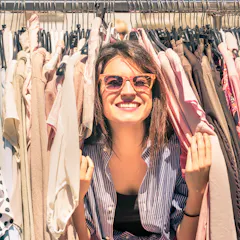
The barriers and benefits to reviving the UK textile industry.
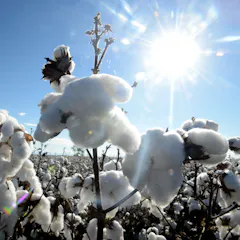
Worsening droughts and flooding likely threaten the future of cotton farming – by far the most important crop in the basin.

Western fashion, laundering and style reflected the racialized politics dramatically shaped by profound global transformations bound up with slavery, colonialism and modernization.
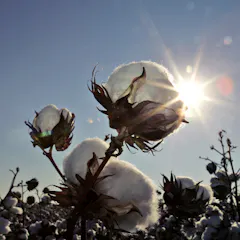
Plant breeding, informed by genetic analysis, could be critical to the future of one of the world’s oldest crops.
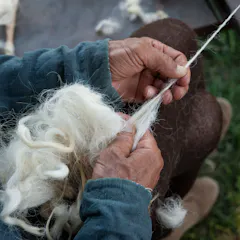
From fibre to fabric. The process of making textiles has been important to humans for almost 35,000 years.
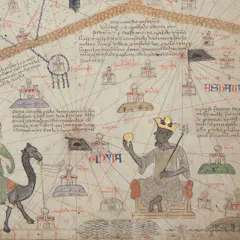
Born in Blackness by Howard W. French is a towering work. It argues that, because of gold and slavery, Africa is central to creating the modern world.
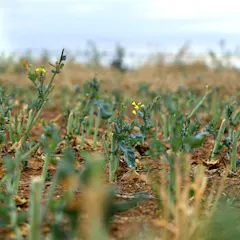
GM proponents say the technology leads to better crop yields and may solve food shortages and reduce pests. Opponents say GM is a threat to the environment and humans. So where does the truth lie?
Top contributors
-

Professor, Fenner School of Environment & Society, Australian National University
-
Australian Laureate Professor of Economics, Crawford School of Public Policy, Australian National University
-
Associate Professor, International Studies Department, University of San Francisco
-
Professor and Dean of the School of Fashion and Textiles, RMIT, RMIT University
-
Research Associate, Queensland University of Technology
-
Associate professor, Deakin University
-
Emeritus Professor of Social Statistics, University of Manchester
-
Lecturer in Sustainablity, Fashion and Retail, University of Leeds
-
Professor, School of Mathematical And Physical Sciences, University of Technology Sydney
-
PhD Candidate, The University of Melbourne
-
Professor of Operations Management, Lancaster University
-
Professor of Human Movement, University of Sydney
-
Associate Professor of Sleep and Wellbeing, University of Sydney
-
Reader in Postcolonial Literature, Leeds Beckett University
-
Associate Professor Department of International Development Studies, Dalhousie University