
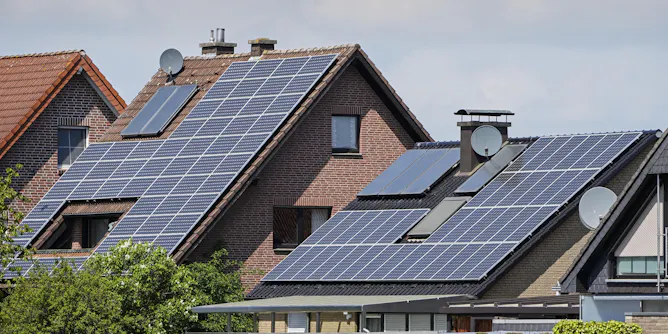
War, famine and an energy crunch are affecting the world’s response to climate change, but there are reasons for optimism.
Articles on Climate policy
Displaying 101 - 120 of 396 articles
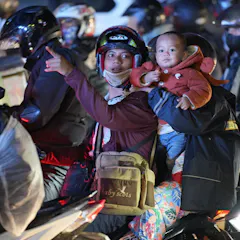
There is a big opportunity for Australia to help Southeast Asia meet its energy needs. But time is running out.
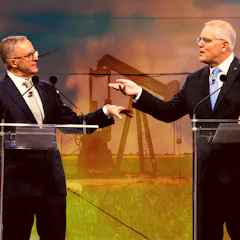
Climate change is the most pressing issue of our time – so what have the Coalition and the Labor party actually promised? Five experts grade different aspects of their climate policies.
Managing the transition to a net-zero emissions economy must be a priority task for the next government. Our strategic and economic success depends on it.
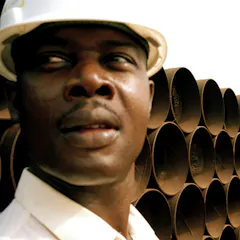
A new study adds up the potential legal and financial risk countries could face from hundreds of agreements, like those under the Energy Charter Treaty.
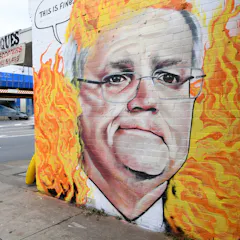
Notwithstanding COVID, this political term has been framed by extreme events such as the Black Summer bushfires and floods – and it will show at the ballot box.
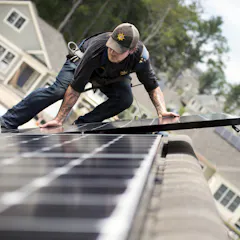
Solutions already exist. What’s holding humanity back is the will to get past the status quo and embrace innovation.
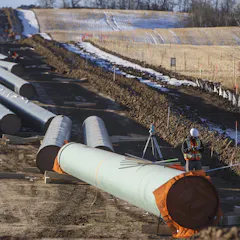
The recently released Emissions Reductions Plan aims to put Canada on track to reduce emissions by up to 45 per cent from 2005 and reach net-zero emissions by 2050. It will do neither.

Solar geoengineering could temporarily address the worst impacts of global warming.
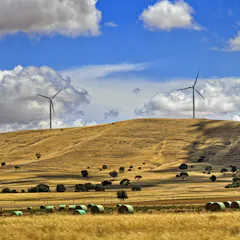
It is deeply regretful that the budget and forward estimates don’t specifically recognise the ongoing scale and the fiscal impact of climate disasters.

Simple economic modelling shows the mining industry would benefit from a carbon tax.
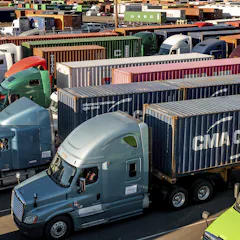
The SEC’s proposal would require companies to disclose their greenhouse gas emissions and other climate risks, but it’s not a done deal yet.

The findings indicates natural disasters such as the current floods in southeastern Australia can influence election results.
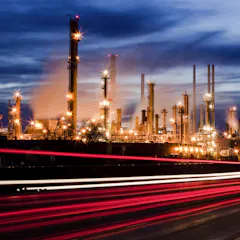
Some investors want publicly traded companies to disclose their full climate impact, including emissions from their supply chains and product use.
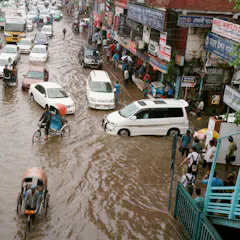
An author of the report explains the damaging effects climate change is already having and why adaptation is essential.
Human behaviors shift. Policies change. New technology arrives and evolves. All those changes and more are hard to predict, and they affect tomorrow’s costs.
The social cost helps regulators factor in harm from climate change when they consider new rules and purchases, like buying electric- vs. gas-powered trucks for the Postal Service.

The proposal is likely to mean economic and diplomatic costs for Australia, and should ring alarm bells in Canberra.
Instead of asking about optimism, it’s time to ask what we as citizens are going to do about climate change.

As one of the few countries to have enshrined net-zero into law, Canada has earned praise for its climate leadership. Yet an independent report calls out its continued failures to reduce emissions.
Top contributors
-

Professorial Fellow, University of Canberra
-
Former Visiting Fellow, SPRU, University of Sussex Business School, University of Sussex
-
Professor, Crawford School of Public Policy and Director, Centre for Climate and Energy Policy, Australian National University
-
Senior Fellow in Energy and Climate Change, Grattan Institute
-
Professor of International Relations, The University of Queensland
-
Research Associate, Institute for Climate Risk and Response, UNSW
-
Associate Professor, The University of Western Australia
-
Adjunct professor, Environment and Sustainability, University of Saskatchewan
-
Honorary Fellow, The University of Melbourne
-
Professor in Organisation & Sustainability, University of Exeter
-
Professor of Political Science, School of Regulation and Global Governance, Australian National University
-
Senior Research Fellow and Associate Professor, Melbourne Climate Futures initiative, The University of Melbourne
-
Professor of Economics, The University of Queensland
-
Senior Industry Fellow, Environment and Planning, RMIT University
-
Head of Atmospheric, Oceanic and Planetary Physics, University of Oxford