
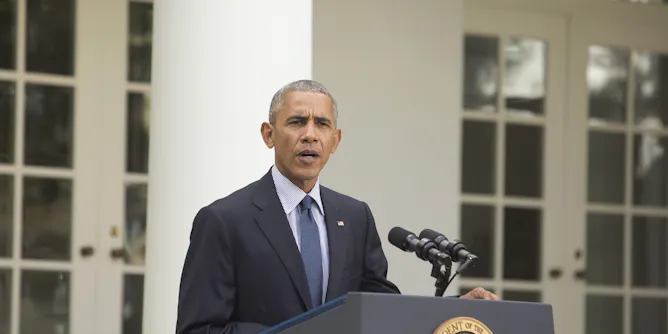
The Paris Agreement will come into force on November 4. Will Australia be part of the pack?
Articles on Paris 2015 climate summit
Displaying 1 - 20 of 256 articles
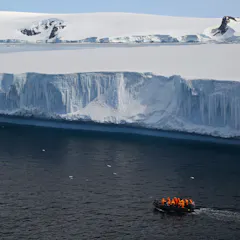
If we accept that 2 degrees warming is dangerous this century, we have to accept it is dangerous beyond.
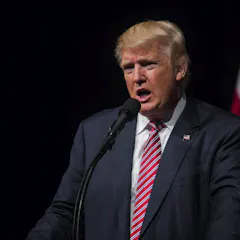
US involvement in the Paris Agreement depends on the president – so what happens when the president changes?
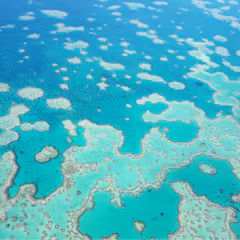
Limiting global warming to 1.5°C already looks out of reach, so where do we go from here?
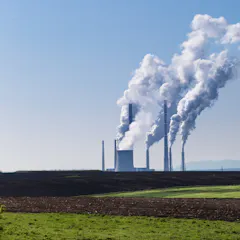
Current climate pledges mean emissions will be too high in 2030 to stop dangerous global warming. But there are a number of things we can do to fix this.
The ups and downs of climate policy since the 2013 federal election.
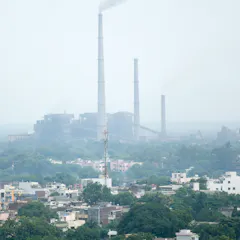
The current climate pledges under the Paris Agreement are weak, and need carbon pricing to give them teeth.
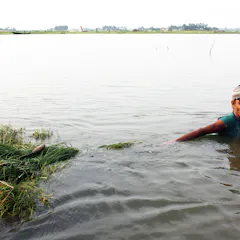
Despite the fanfare of signing the Paris Agreement on climate, little progress has been made on compensating poor countries for irreparable damages from climate change.

More than 160 countries are expected to sign the Paris Agreement in New York on April 22. But enough countries will also need to ratify the treaty domestically before it can become international law.
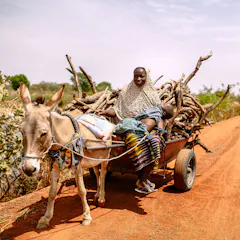
Climate justice is becoming an increasingly important part of climate action.
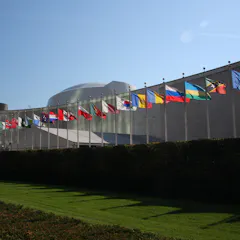
Australia will be one of more than 160 nations formally signing the Paris climate agreement in New York this week. But delivering on those promises is what really counts.
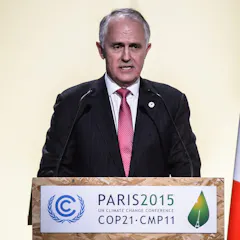
Australia has been mired in climate confusion for years - as reflected by its underwhelming performance at last year’s Paris climate summit. Here’s how to get things back on an even keel.
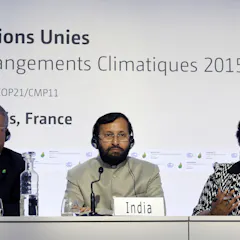
The Paris Agreement marks an important step towards climate change mitigation – one in which developed and developing countries alike take action.

The burden of mitigating and adapting to climate change must be shared between all parts of society.
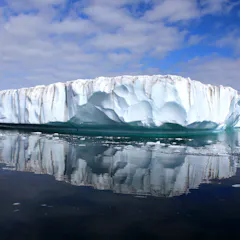
The Paris agreement has given us some solid targets to aim for in terms of limiting global warming. But that in turn begs a whole range of new scientific questions.
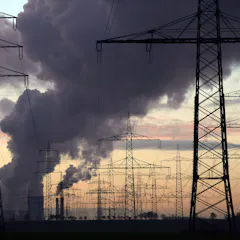
Energy companies are realising that, in light of the Paris climate deal, the economics are starting to line up in favour of climate action, not against it.

Yes, we blunt the effects of climate change by getting off fossil fuels. But countries’ most ambitious targets imply use of climate engineering schemes – and that discussion should be done in public.
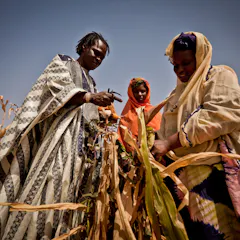
The countries that have contributed the least to climate change will experience the worst of its effects.
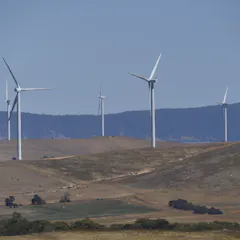
Australia’s greenhouse emissions are once again rising, after a decade of consistent declines. But the right policies are already in place to turn things around - they just need to be ramped up.
States and regions are taking the lead on climate change action and, so far, are seeing economic and environmental benefits.
Top contributors
-

Senior Research Fellow and Associate Professor, Melbourne Climate Futures initiative, The University of Melbourne
-
Professor of Public Ethics, Charles Sturt University
-
Research Fellow, Melbourne Sustainable Society Institute, The University of Melbourne
-
Postdoctoral Research Associate in Existential Risk, University of Cambridge
-
Professor of International Relations, The University of Queensland
-
Honorary Fellow, The University of Melbourne
-
Honorary Associate Professor, The Crawford School of Public Policy, Australian National University
-
Professor, Crawford School of Public Policy and Director, Centre for Climate and Energy Policy, Australian National University
-
Chief Research Scientist, CSIRO Environment; Executive Director, Global Carbon Project, CSIRO
-
Associate Professor, Adelaide Law School, Adelaide University
-
A/Prof., School of Earth Sciences, The University of Melbourne
-
Former Visiting Fellow, SPRU, University of Sussex Business School, University of Sussex
-
A.J. Meyer Professor of Energy and Economic Development, Harvard Kennedy School
-
Academic position - Research Associate at the Centre for Resources, Energy and Environmental Law, The University of Melbourne
-
Associate Professor, The University of Western Australia