
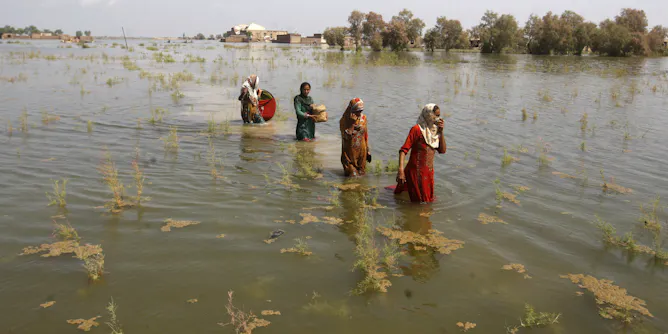
To keep up with climate-related disasters, we need transformational solutions. These range from ‘sponge cities’ and floating houses to putting out bushfires minutes after they start.
Articles on Climate disasters
Displaying 41 - 60 of 61 articles
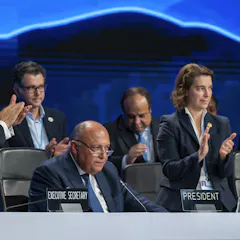
It’s a landmark agreement, acknowledging for the first time that wealthy countries bear some responsibility to help. But it leaves many unanswered questions.
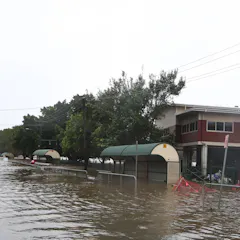
COP27 wraps up with Solutions Day, focusing on sustainable cities and transport, green buildings and resilient infrastructure. Climate-related disasters show the urgency of urban planning responses.
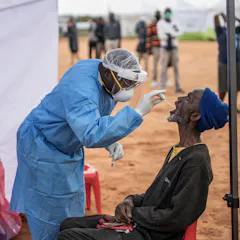
The human population has doubled in 48 years, and worsening climate change has left the world facing serious health risks, from infectious diseases to hunger and heat stress.
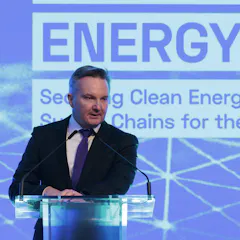
COP27 is Australia’s chance to join the global climate effort, but we’ll need to bring more to the table to be taken seriously.

Millions of people around the world suffered through long-lasting heat waves and deadly flash flooding in the summer of 2022. A climate scientist explains the rising risks.

Telling people they have a flood risk rating of 10 is less powerful than explaining how much they’re likely to pay to deal with flooding over the next five years.
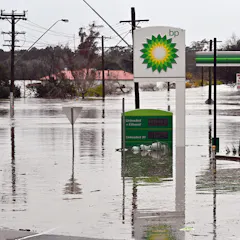
Property buybacks and managed retreat from high-risk areas were once seen as far-off options as the planet warms. Now this ‘last resort’ adaptation to climate change is an urgent priority worldwide.
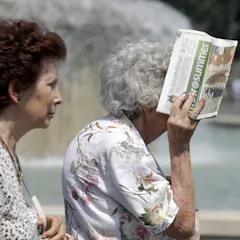
Governments and organizations must listen to older adults’ experiences with extreme heat, flooding and wildfire smoke to create effective policies and programs
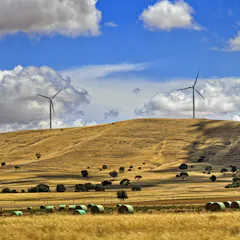
It is deeply regretful that the budget and forward estimates don’t specifically recognise the ongoing scale and the fiscal impact of climate disasters.
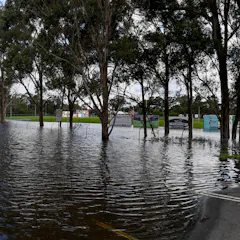
While climate change poses new threats to trees, it also creates new opportunities for us to work with trees as allies. We must not work against them.
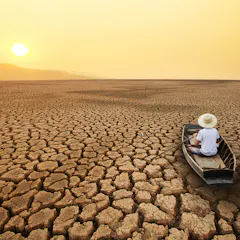
Decades of research shows disasters are caused human vulnerabilities rather than the climate itself.

Industrial-sized confinement farming systems pose massive challenges during hurricanes, floods or wildfires, including significant public health, animal welfare and socio-economic implications.
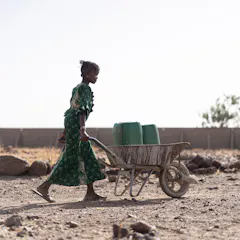
Education, historical trends in precipitation, and perceived drought experiences predict increased climate change literacy, but rates are lower for women, those in rural areas, and low-income groups.
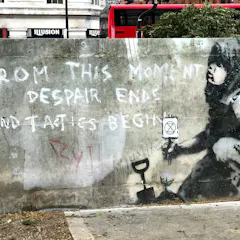
While climate change is certain, some uncertainty remains in its severity — and that’s where the hope shines through.

Other existential risks include the decline of natural resources (particularly water), human population growth beyond the Earth’s carrying capacity, and nuclear weapons.
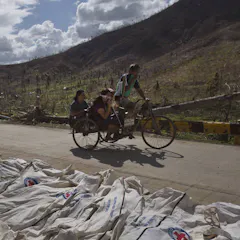
The Haiyan Typhoon disaster is a cautionary case for climate adaptation and mitigation because it demonstrates the seductiveness of survival myths.

In the face of climate change, the poorest are suffering from the excess emissions of CO₂ linked to the lifestyle of the richest. It is time to act, in the name of climate and social justice.

Pacific island nations are often framed as remote atolls facing rising seas and cyclones. But their cities are growing fast, so are efforts to help the most climate-vulnerable people hitting the mark?
With the dire consequences of climate change looming, archaeologists recognize the importance of communicating their findings on ancient landscapes and the threats that face vulnerable populations.
Top contributors
-

Head, Disaster Solutions, Australian National University
-
Visiting professor, Harvard University
-
Professor of Geology and Environmental Geosciences, University of Dayton
-
Assistant Professor of Marine and Environmental Affairs and American Indian Studies, University of Washington
-
Senior Researcher, Migration and Development, Maastricht Economic and Social Research Institute on Innovation and Technology (UNU-MERIT), United Nations University
-
Researcher, Aging In the Right Place | M.A. student, Gerontology, Simon Fraser University
-
Research professor, RMIT University
-
Research Associate, Institute for Climate Risk and Response, UNSW
-
Associate Professor in Journalism, Media and Communication, Griffith University
-
PhD Candidate, Humanities, York University, Canada
-
Associate professor, Gerontology Department, Simon Fraser University
-
Data Scientist at the Center for Social Solutions, University of Michigan
-
Professor of International Relations, Boston University
-
Chair in Insurance and Professor, Finance, Wilfrid Laurier University
-
Associate Director (International) - Melbourne Centre for Cities, The University of Melbourne