
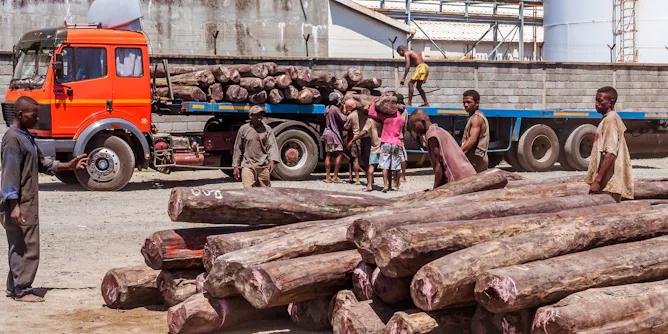
For decades nations have worked to curb international sales of endangered plants and animals. But in countries like China, with high demand and speculative investors, that strategy fuels bidding wars.
Articles on CITES
Displaying 21 - 40 of 50 articles
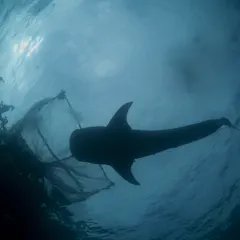
Shark fisheries in Indonesia are an important economic resource in several areas. Hence, stronger regulations are needed to prevent declines in shark population.

CITES’ decision seeks to increase levels of monitoring so that we can be more and better informed about the illegal trade of Mukula and over-harvesting.
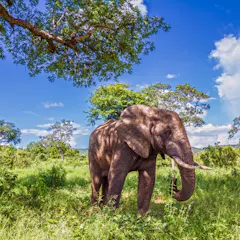
In large ecosystems, managing elephant populations so they don’t exceed a certain threshold number is arbitrary.
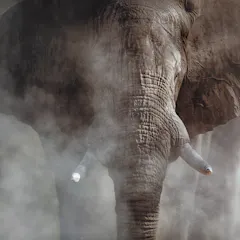
As the ultimate custodians, it is urgent that African countries with elephants take
ownership of the processes at CITES.
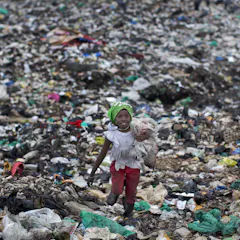
Dozens of cities, states and nations are enacting bans and restrictions on single-use plastic bags and other items. A legal expert explains how a global treaty could build on these efforts.
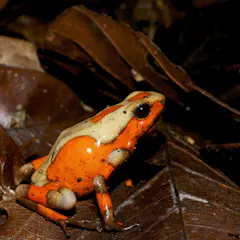
With their jewel-like colours, Colombia’s poison frogs are coveted by collectors. Does naming their species help protect them or make them a target for trophy hunters?

Captive breeding takes place in South Africa and no other country is permitted to export lion bones.

Zambia’s rosewood forests are being decimated but it’s still not reaping the full benefits of exporting the coveted wood to China.
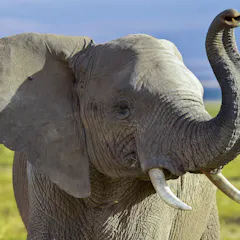
The death penalty and military intervention to combat poaching, isn’t the answer to saving endangered species.
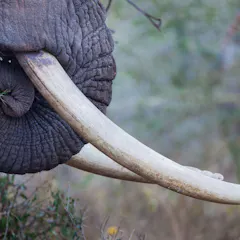
Should trade in ivory be banned or not? There may be a solution.

If the allegations are true Zimbabwe intends to prosecute Grace Mugabe for ivory and rhino horn smuggling.
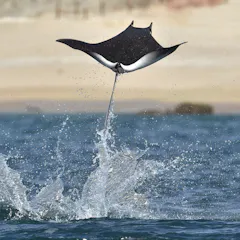
Technology will help in fight to save celebrated creatures, as new law comes into force.
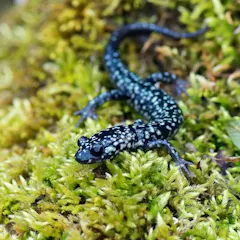
The fascination and admiration of the natural environment may draw people closer to it, but it’s crucial to remain responsible about any desire to own a piece.

Small animals are the fabric of the world around us. Without them everything would crumble.

Illegal logging is a serious threat but new ways of detecting illegal timber could help save global forests.
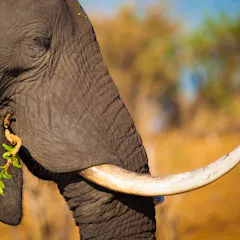
Ivory was a major talking point at the CITES CoP17 conference.Many feel the ban on trade doesn’t work while others believe the ban is the only way to save the iconic species.
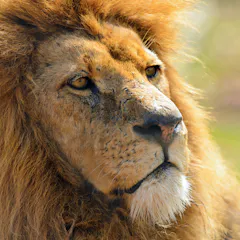
A stronger ban on lion trade by CITES would have helped to lessen some of the threats lions face but it would have not have protected the animals from sport hunting.
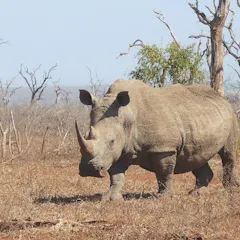
Swaziland hoped to be allowed to legally trade rhino horns but the idea was rejected by vote at the CITES conference.

Sharks were a major talking point at the CITES conference this year and their protection has been expanded to cover new species.
Top contributors
-

Research Associate, Department of International Relations, University of the Witwatersrand; Chief Research Officer, Good Governance Africa; Managing Director, Harvey Economics Pty Ltd.
-
Visiting Professor, University of Kent
-
Professor and Chair, Southwestern Environmental Science and Policy, Northern Arizona University
-
Director of the Wildlife Crime Research Hub, Australian Research Council Industry Laureate Fellow, Adelaide University
-
Lecturer in the School of Applied Sciences, Edinburgh Napier University
-
Postdoctoral research fellow, Adelaide University
-
Principal Scientist, Center for International Forestry Research – World Agroforestry (CIFOR-ICRAF)
-
Senior Lecturer, Mathematics, The University of Queensland
-
Ph.D. student at the Invasion Science & Wildlife Ecology Group, Adelaide University
-
Professor of International Relations, London School of Economics and Political Science
-
Scientist with the Center for International Forestry Research, Centre for International Forestry Research
-
Professor, Conservation Ecology & Entomology, Stellenbosch University
-
Senior research associate, University of KwaZulu-Natal
-
Postdoctoral Researcher in Timber Forensics, Adelaide University
-
Postdoctoral research fellow, Northumbria University, Newcastle