
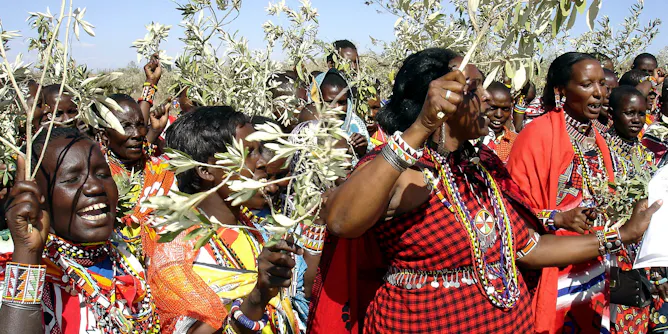
In the absence of trading ivory, other solutions have to be found to fund conservation and support communities living on the front line of the battle against poaching.
Articles on CITES
Displaying 41 - 50 of 50 articles

Historical evidence shows African elephants are endangered by the ivory trade, despite any attempt at regulating the market. A total ban is the only hope for the world’s largest living land animal.
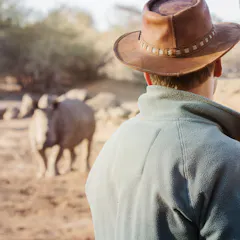
Military responses to combat poaching are a problem. They marginalise communities where poachers come from and can have longer term implications.
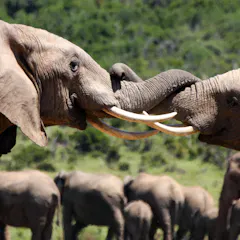
The ivory trade is a very contentious issue and will be debated at CITES. It will revolve around maintaining or lifting the ban on trade. But the human element is likely to be ignored.
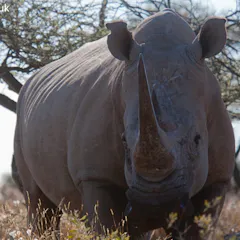
The CITES conference on international wildlife trade could determine whether these animals have a viable future.
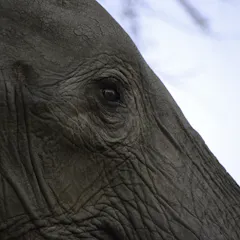
The focus of CITES is not solely on the protection of species. It also promotes controlled trade that is not detrimental to the sustainability of wild species.
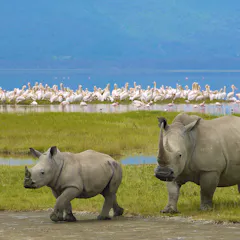
Rhino horn trade is a hotly contested topic. Proponents believe it can aid conservation efforts. But those in opposition believe it will cause poaching to increase.
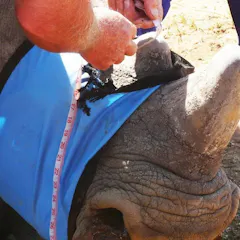
A few national parks and reserves want to dehorn rhinos and there is a lobby for a regulated and closely monitored legal trade in rhino horn. But this is met by opposition from many.
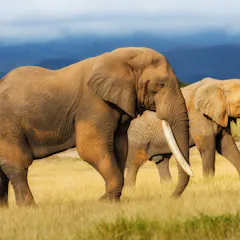
Southern African nations are seeking permission to trade in ivory, in direct opposition to the wishes of their northern neighbours.
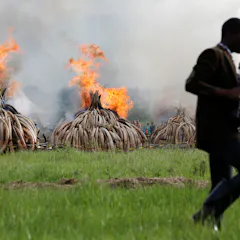
EU officials argue that while the ban on ivory trade is right for some countries, it shouldn’t be all-encompassing. It has called on African range states to reach agreement on the issue.
Top contributors
-

Research Associate, Department of International Relations, University of the Witwatersrand; Chief Research Officer, Good Governance Africa; Managing Director, Harvey Economics Pty Ltd.
-
Visiting Professor, University of Kent
-
Professor and Chair, Southwestern Environmental Science and Policy, Northern Arizona University
-
Director of the Wildlife Crime Research Hub, Australian Research Council Industry Laureate Fellow, Adelaide University
-
Lecturer in the School of Applied Sciences, Edinburgh Napier University
-
Postdoctoral research fellow, Adelaide University
-
Principal Scientist, Center for International Forestry Research – World Agroforestry (CIFOR-ICRAF)
-
Senior Lecturer, Mathematics, The University of Queensland
-
Ph.D. student at the Invasion Science & Wildlife Ecology Group, Adelaide University
-
Professor of International Relations, London School of Economics and Political Science
-
Scientist with the Center for International Forestry Research, Centre for International Forestry Research
-
Professor, Conservation Ecology & Entomology, Stellenbosch University
-
Senior research associate, University of KwaZulu-Natal
-
Postdoctoral Researcher in Timber Forensics, Adelaide University
-
Postdoctoral research fellow, Northumbria University, Newcastle