
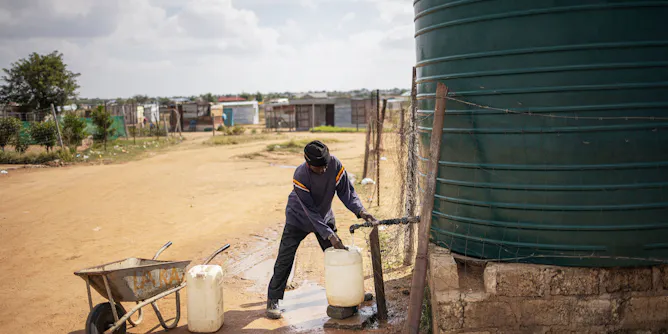
The primary reasons for the systemic collapse include poor operation, defective infrastructure, the absence of disinfection chemicals, and lack of monitoring.
Articles on Cholera
Displaying 21 - 40 of 94 articles

The current cholera outbreak is not necessarily an issue with potable water. It’s the result of a combination of factors including dysfunctional and non-compliant wastewater treatment works.
According to the WHO, the global cholera situation has deteriorated.

This whirlwind tour of social history describes how infectious diseases have shaped humanity at every stage. It suggests reducing inequality will give us our best chance of surviving future plagues.
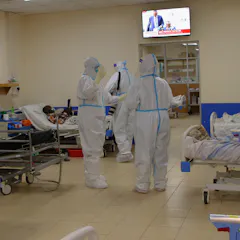
A new global dataset shows there is no clear global increase of infectious disease outbreaks over time. And it can suggest which countries would most likely be affected by an outbreak.
Antibiotic resistance has contributed to millions of deaths worldwide. Research suggests that any bacteria can develop antibiotic tolerance, and possibly resistance, when pushed to their limits.
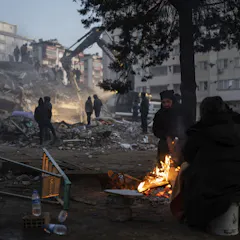
The focus of efforts to save the lives of earthquake victims needs to shift to the emerging threats from disease and lack of clean water and shelter.
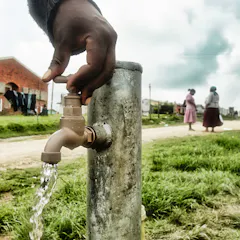
Cholera has persisted longer in Africa largely due to worsening hygiene and sanitation situations in urban areas.
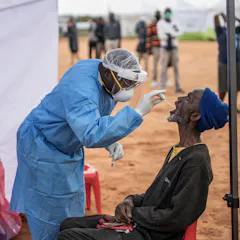
The human population has doubled in 48 years, and worsening climate change has left the world facing serious health risks, from infectious diseases to hunger and heat stress.

Natural disasters associated with climate change put people at risk of injury and death, and alter the prevalence and distribution of illnesses and infectious diseases.

Nigeria must adopt a multi-pronged approach to address its flooding menace and minimise the effects.

On World Rabies Day – which is also the anniversary of French microbiologist Louis Pasteur’s death – a virologist reflects on the achievements of this visionary scientist.
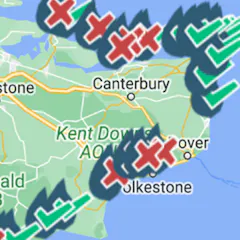
These maps have gone viral – here’s what they owe to 19th century cholera campaigns.

The seriousness of an epidemic is a function of several factors, including the degree of contagiousness and potential for rapid spread.
Evidence suggests that involving marginalised communities in setting priorities and designing collective action can lead to improved health outcomes.

After two years of COVID-19, it’s understandable that many people are weary of infection prevention measures. But simply being tired of the pandemic is no reason to let our guard down.

A rice dish’s debut on a cooking competition show reflects the growing acceptance of ethnic foods.

A consequence of a warming world is prolonged dry spells and periods of drought that can lead to infectious diseases like cholera.

As the climate changes, the ocean is also changing. And that’s putting our health at risk.

Nigeria needs a multisectoral approach to break its annual cholera epidemic.
Top contributors
-

Professor of Law, Conflict and Global Development, University of Reading
-
Director DNDi Eastern Africa and Senior Principal Research Scientist, KEMRI, Kenya Medical Research Institute
-
Senior Lecturer, International Development Department, University of Birmingham
-
Associate Professor and Water Management Expert, University of South Africa
-
Professor/Senior Research Fellow, Centre for Advancement of Scholarship, University of Pretoria
-
Director of the Centre for Epidemic Response and Innovation (CERI) at Stellenbosch University and the KwaZulu-Natal Research Innovation and Sequencing Plaform (KRISP)., Stellenbosch University
-
Head Scientific Research Support, Stellenbosch University
-
Research Officer / EIDM Specialist, University of Cape Town
-
Recognised Researcher, Imperial College London
-
Principal Visiting Fellow & Former Deputy Director, International Institute for Global Health (UNU-IIGH), United Nations University
-
Chief Research Officer, Kenya Medical Research Institute
-
Professor of Global Biosecurity, NHMRC L3 Research Fellow, Head, Biosecurity Program, Kirby Institute, UNSW
-
Assistant Professor of History, University of Pittsburgh
-
Assistant Professor of Epidemiology and Biostatistics, University of Illinois Chicago
-
Associate professor, University of South Africa