
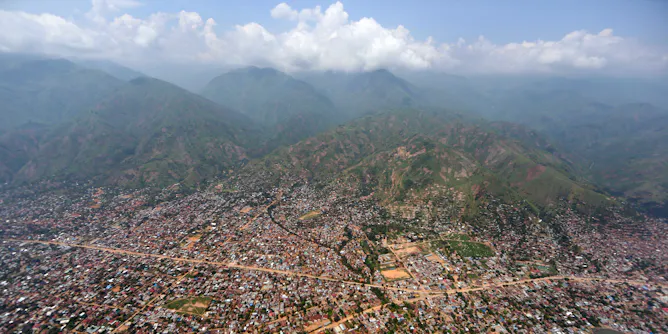
In the fight against cholera, new research in the DRC suggests that the rehabilitation of water networks would be more sustainable than other interventions whose effectiveness is debatable.
Articles on Cholera
Displaying 61 - 80 of 94 articles
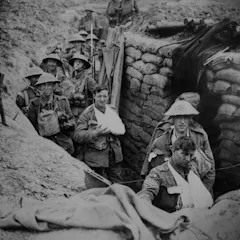
For many health professionals, daily practice increasingly resembles trench warfare, which took a grave toll on WWI’s soldiers.
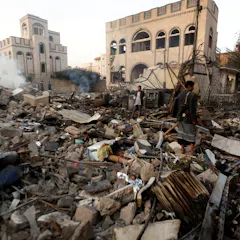
Yemen’s civil war is a stew of local and foreign interests, from Washington, Saudi Arabia to Iran. And the latest battle may cost the lives of hundreds of thousands of civilians, if not millions.

Shared toilets have been shown to be linked to poor health outcomes.
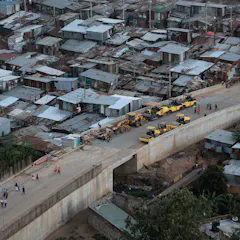
The health challenges that Nairobi can expect in the wake of heavy rains are largely preventable.

The statistics point remorselessly towards obesity being a symptom with an underlying social cause. That should completely change the approach to dealing with it.
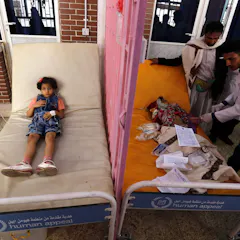
771,945 have been infected.
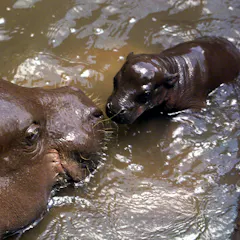
Why are some animals resistant to waterborne disease? A reader wants to know.
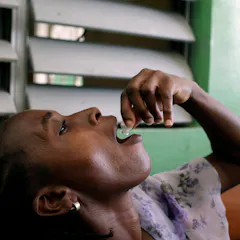
Many states in Nigeria are reeling from cholera outbreaks. They need better health and sanitation infrastructure to disrupt transmission of the bacteria which cause the disease.
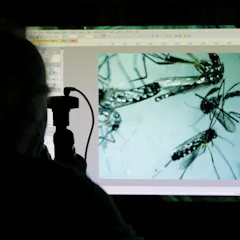
Vast amounts of standing water in Houston and other hurricane-flooded areas are dangerous not only because of toxins. The water is a dangerous breeding ground for mosquitoes that transmit Zika.
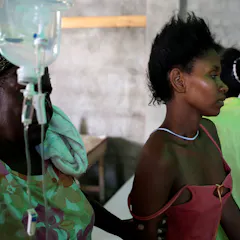
Surviving a hurricane in poor countries such as Haiti is no guarantee of surviving the secondary problem of cholera.
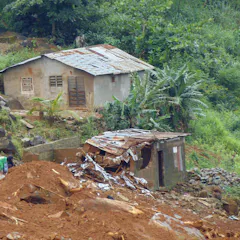
Foreign aid can harm as well as help.

Cholera is caused by a lack of access to clean drinking water and unhygienic conditions. Misuse of antibiotics makes it difficult and expensive to treat outbreaks.
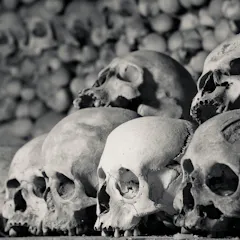
Despite being so small they can’t be seen with the naked eye, pathogens that cause human disease have greatly affected the way humans live for centuries.
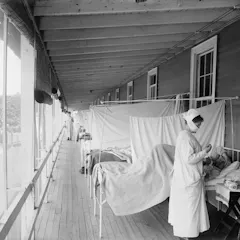
Here we explore our past and present struggles with the most significant infectious diseases human beings have faced.
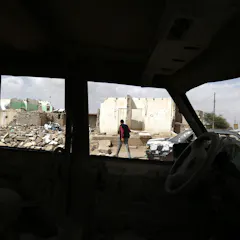
Already one of the world’s most urgent humanitarian disasters, the situation in Yemen is only getting worse.
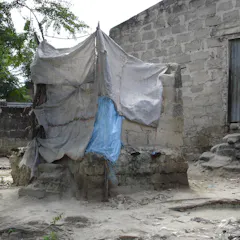
Cholera kills thousands every year but is treatable if it is caught early. Understanding how El Niño shifts cholera risks in Africa can help countries prepare for outbreaks and save lives.
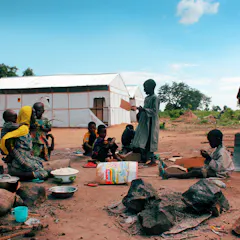
More than 788 health facilities have been destroyed in parts of North-Eastern Nigeria captured by Boko Haram insurgents, crippling health services in the area.
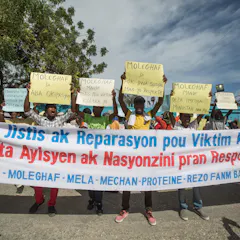
By not acknowledging what Haitians themselves think they need, the UN is failing to sort out one of its worst ever blunders.
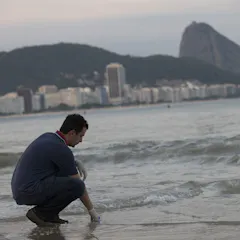
Developed and developing countries alike struggle with water quality problems. For World Water Day, a look at the challenges – and some potential solutions – to better treating wastewater.
Top contributors
-

Professor of Law, Conflict and Global Development, University of Reading
-
Director DNDi Eastern Africa and Senior Principal Research Scientist, KEMRI, Kenya Medical Research Institute
-
Senior Lecturer, International Development Department, University of Birmingham
-
Associate Professor and Water Management Expert, University of South Africa
-
Professor/Senior Research Fellow, Centre for Advancement of Scholarship, University of Pretoria
-
Director of the Centre for Epidemic Response and Innovation (CERI) at Stellenbosch University and the KwaZulu-Natal Research Innovation and Sequencing Plaform (KRISP)., Stellenbosch University
-
Head Scientific Research Support, Stellenbosch University
-
Research Officer / EIDM Specialist, University of Cape Town
-
Recognised Researcher, Imperial College London
-
Principal Visiting Fellow & Former Deputy Director, International Institute for Global Health (UNU-IIGH), United Nations University
-
Chief Research Officer, Kenya Medical Research Institute
-
Professor of Global Biosecurity, NHMRC L3 Research Fellow, Head, Biosecurity Program, Kirby Institute, UNSW
-
Assistant Professor of History, University of Pittsburgh
-
Assistant Professor of Epidemiology and Biostatistics, University of Illinois Chicago
-
Associate professor, University of South Africa