

Public opinion is split in Russia over a new move to pay schoolgirls who have babies.
Articles on Childbirth
Displaying 21 - 40 of 189 articles
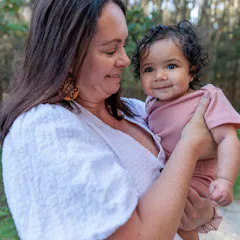
Many Indigenous families around the world say hospital staff often don’t understand their cultures or even give them basic rights during maternity care.
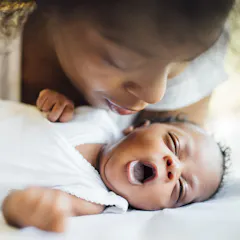
Having the support of family members living in a foreign country was one of the reasons Nigerian women gave for choosing to have their babies overseas.
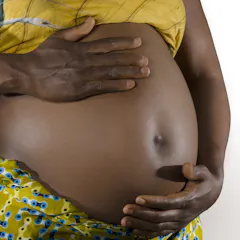
A number of things could affect the success of Nigeria’s scheme to provide free caesarian sections.

If it comes into force, President Donald Trump’s executive order ending birthright citizenship could have consequences for people and processes in the US and abroad.
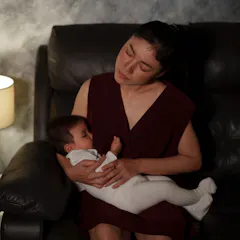
Positive care can help build maternal confidence, which can help support breastfeeding.
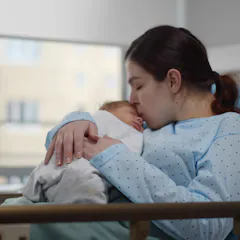
As a standalone statistic, the rate of ‘low risk’ caesarean births lacks the nuance needed to inform and improve individual care. Childbirth metrics must adopt a broader, patient-centred perspective.
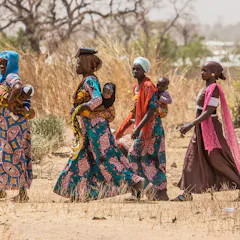
Families in Ghana still pay for maternal health services despite the country’s policy of free care.
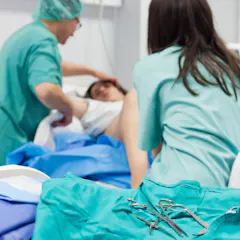
The term ‘obstetric violence’ is already widely used by the EU, the UN and countless health professionals, but some health professionals continue to push back against it.

How and why preterm birth happens is still unclear, in part because research on pregnancy tends to focus on developmental biology.
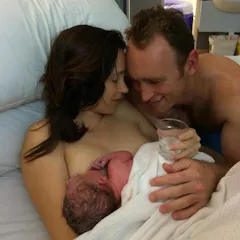
People rarely speak plainly of birth, and even more rarely spell out the details in positive terms.
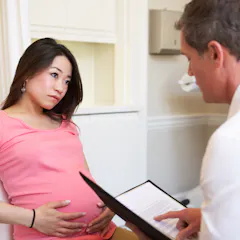
Obstetric and gynecological violence is care that is violent, disrespectful, abusive or neglectful. At its heart is the absence of consent, or consent without having received appropriate information.

Freebirth is frequently misunderstood and misrepresented. Discussions of freebirth often emphasise risk but women are most concerned with maternity services and obstetric violence

I’m a scholar, not an activist or an advocate. But now one of the most intimate, personal events of our lives had been turned into a political event by the state’s highest court.

A free birth is when a woman chooses to have a baby, usually at home, without a registered midwife or doctor in attendance. It’s much riskier than a planned home birth.

From patronising language to non-consensual surgical interventions, the mistreatment of women during childbirth is common – so why do so few women complain?
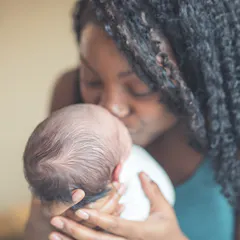
Planned early delivery is a key component of reducing child and maternal mortality.
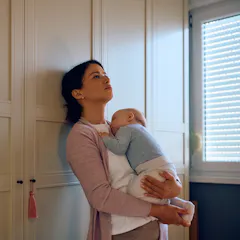
Half a million new mothers in the US suffer from postpartum depression every year, yet a lack of awareness and stigma toward the condition keep many from getting the help they need.

In my research, I try to uncover the cultural significance of the placenta and afterbirth in premodern Europe to help us better understand the social and medical history of this important organ.

Africa has made good progress towards reducing maternal mortality and newborn deaths over the past decade. But climate change is reversing the gains.
Top contributors
-

Professor of Midwifery, Associate Dean Research and HDR, Midwifery Discipline Leader, Western Sydney University
-
Caroline Homer is a Friend of The Conversation.
Deputy Director (Gender Equity, Diversity and Inclusion), Burnet Institute
-
Professor of Midwifery, Monash University
-
Assistant Professor of Obstetrics, Gynecology and Reproductive Biology, Harvard University
-
Professor in Midwifery, University of Sydney
-
Professor of Maternal and Child Health, University of Stirling
-
Senior Lecturer in Midwifery, Monash University
-
Associate professor, University of California, San Francisco
-
Professor of Midwifery and Dean in the Faculty of Health Sciences, Southern Cross University
-
Senior Research Fellow in Maternal and Reproductive Health, University of Hull
-
Associate professor, London School of Hygiene & Tropical Medicine
-
Associate Professor of Midwifery, Western Sydney University
-
NHMRC Early Career Fellow, The Kids Research Institute Australia
-
Lecturer, King's College London
-
Postdoctoral Fellow, University of Warwick