

Sometimes, women who want a freebirth are aware of the risks. But some feel this is their only option.
Articles on Obstetrics
Displaying 1 - 20 of 46 articles
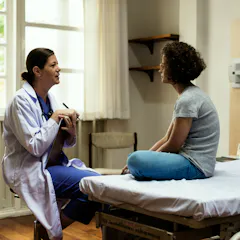
Evidence suggests the widespread adoption of trauma-informed care practices can potentially improve access to care as well as quality of care for all patients.
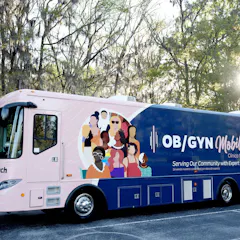
Mobile health clinics are a practical but underused solution to the growing number of maternity care deserts in the US.
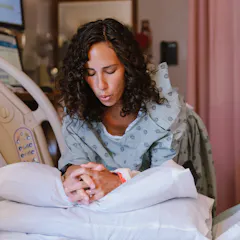
Most women give birth in public hospitals, seeing whichever midwife or doctor is rostered on. But research shows seeing the same person reduces a number of risks.

Without support from the community, workplace, government and society as a whole, even doctors have trouble breastfeeding – a challenge commercial infant formula companies take advantage of.
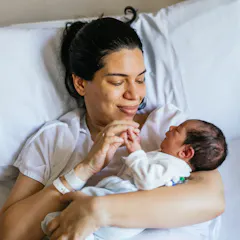
While things sometimes go wrong during childbirth, the majority of women who give birth in Australia do so safely.
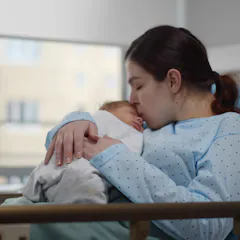
As a standalone statistic, the rate of ‘low risk’ caesarean births lacks the nuance needed to inform and improve individual care. Childbirth metrics must adopt a broader, patient-centred perspective.

How and why preterm birth happens is still unclear, in part because research on pregnancy tends to focus on developmental biology.
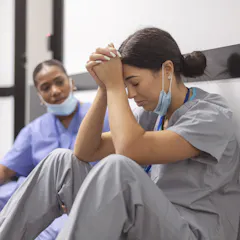
Medical workers navigate their own moral and religious beliefs, professional standards, the law and the realities of clinical work – which can be especially complicated in abortion care.
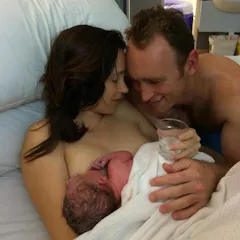
People rarely speak plainly of birth, and even more rarely spell out the details in positive terms.

Freebirth is frequently misunderstood and misrepresented. Discussions of freebirth often emphasise risk but women are most concerned with maternity services and obstetric violence
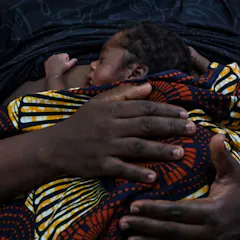
Preterm babies born after 28 weeks can often survive with relatively simple medical care. Here is how.

A free birth is when a woman chooses to have a baby, usually at home, without a registered midwife or doctor in attendance. It’s much riskier than a planned home birth.

From patronising language to non-consensual surgical interventions, the mistreatment of women during childbirth is common – so why do so few women complain?

Nearly 100,000 US children under age 5 are hospitalized each year for an RSV infection.

Women described feeling dehumanised, powerless and violated. Some experienced psychological and emotional abuse, while others were threatened and yelled at.
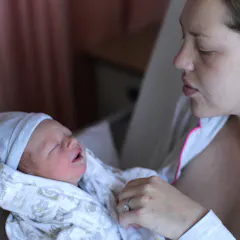
Many of the preventable pregnancy-related deaths documented by the CDC are directly attributable to failures and barriers in the maternal care system.

For every maternal death, there are about an additional 20 women who suffer serious injuries, infections and disabilities related to pregnancy.

The incidence of perineal tearing is increasing, but there are ways to reduce the risk.
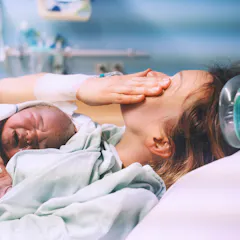
Women deserve to know all the risks and be supported in their birth choices.
Top contributors
-

Professor of Midwifery, Associate Dean Research and HDR, Midwifery Discipline Leader, Western Sydney University
-
Assistant Professor of Obstetrics, Gynecology and Reproductive Biology, Harvard University
-
PhD Candidate, Department of Community Health Sciences, Cumming School of Medicine, University of Calgary
-
Associate Professor of Midwifery, Western Sydney University
-
Lecturer, King's College London
-
Obstetrician & Maternal Fetal Medicine specialist, The University of Melbourne
-
Professor of Obstetrics & Gynaecology, Griffith University
-
Assistant Professor of Obstetrics and Gynecology, University of Miami
-
Associate Professor of Obstetrics-Gynecology and Pediatrics, UMass Chan Medical School
-
Adjunct Associate Professor, Assistant Professor and Registered Midwife, Coventry University
-
Professor of Bioethics & Medicine, Sydney Health Ethics, Haematologist/BMT Physician, Royal North Shore Hospital and Director, Praxis Australia, University of Sydney
-
Professor of Midwifery Studies, University of Lancashire
-
Head of Urbanism and Associate Professor of Urban Studies, School of Architecture, Design and Planning, University of Sydney
-
Professor MBBS, PhD, MPH, PGDipEcho, FANZCA, GAICD, The University of Melbourne
-
Associate Professor of Psychiatry and Obstetrics & Gynecology, UMass Chan Medical School