
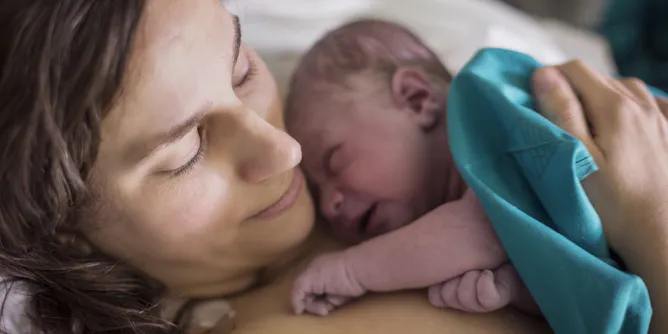
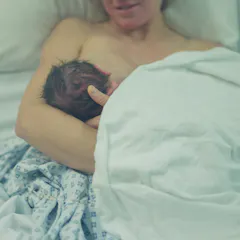
Researchers are getting to the bottom of how poo helps newborn babies. It might sound gross, but here’s the science.
Articles on Caesarean section
Displaying 1 - 20 of 50 articles
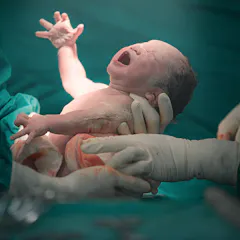
As emergency caesarean rates rise, research from Bangladesh and England suggests decisions are shaped by more than clinical need.
Adriana Smith’s body was kept on life support for 16 weeks so her fetus could gestate. Abortion politics don’t capture the ethical complexities of such situations.
A number of things could affect the success of Nigeria’s scheme to provide free caesarian sections.
A vaginal delivery after a caesarean has risks. But so do multiple caesareans. Here’s what you need to know if you’re considering one.
In England, the national caesarean rate is now 42%. Which is way higher than many other wealthy countries.

As a standalone statistic, the rate of ‘low risk’ caesarean births lacks the nuance needed to inform and improve individual care. Childbirth metrics must adopt a broader, patient-centred perspective.

Caesarean section births are often thought to be safer. In fact they disrupt the natural bond between mother and baby and can interrupt brain development.

Crying triggers changes in how a newborn baby gets their oxygen. But not all new babies cry, and it’s not always a problem.

There are many reasons you may want to opt for a caesarean section.
Discontinuing expanded health-care funding will result in less prenatal care for uninsured patients, more health risks, higher costs to the health system, and moral distress for health-care providers.

Pregnancy changes the structure and function of virtually every organ system of the body. That includes some big changes to the gut.
While sepsis is considered to be a preventable cause of maternal death, it continues to be a major cause of women dying during or after childbirth, even in Australia.
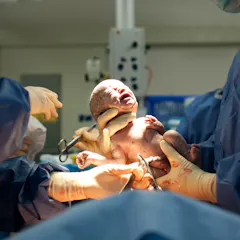
We looked at almost 300,000 births and found those mothers in the private system were more likely to have a caesarean – even if they didn’t really want or need one.
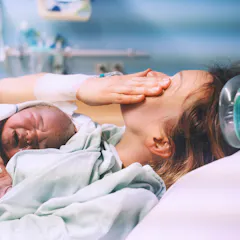
Women deserve to know all the risks and be supported in their birth choices.
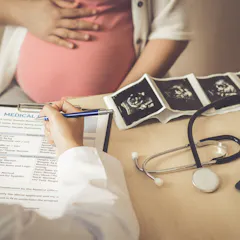
Many pregnant women who request planned caesarean deliveries are simply told no, despite guidelines advising doctors who disagree to offer referral or transfer care.
Tokophobia goes beyond normal childbirth concerns and worries and becomes an intense and irrational fear of pregnancy and/or labour.

Our study joins a growing body of evidence that suggests caesarean sections may have more consequences than previously thought.

The decline in US birth weight is somewhat of a puzzle for public health researchers.
Compared to women who give birth in a birth centre, those who give birth in hospitals are much more likely to have interventions – from epidurals, to labour augmentation and caesarean deliveries.
Top contributors
-

Professor of Midwifery, Associate Dean Research and HDR, Midwifery Discipline Leader, Western Sydney University
-
Assistant Professor of Obstetrics, Gynecology and Reproductive Biology, Harvard University
-
Research Fellow University of Notre Dame Australia; Adjunct Fellow (National Institute of Complementary Medicine), Western Sydney University, University of Notre Dame Australia
-
Professor of Midwifery Studies, University of Lancashire
-
Associate Professor of Midwifery, Western Sydney University
-
Associate Professor and Clinical Academic Gastroenterologist, Western Sydney University
-
Senior Lecturer in Midwifery, University of Technology Sydney
-
Caroline Homer is a Friend of The Conversation.
Deputy Director (Gender Equity, Diversity and Inclusion), Burnet Institute
-
Adjunct Research Fellow, Western Sydney University
-
PhD Candidate, Department of Community Health Sciences, Cumming School of Medicine, University of Calgary
-
Associate Professor in Public Health, Queensland University of Technology
-
Medical Doctor, Epidemiologist and Biostatistician, University of the Witwatersrand
-
Research Fellow, Queensland University of Technology
-
Professor in Obstetrics and Gynaecology, Lund University
-
Professor of Global Surgery, University of Cape Town