
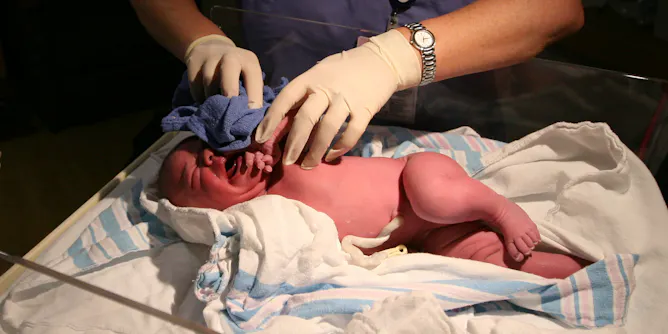
A recent study of the newborn microbiome revealed that babies delivered via C-section were missing friendly bacteria and had picked up harmful microbes usually found in hospital environments.
Articles on Childbirth
Displaying 81 - 100 of 189 articles
Although research can provide us with useful evidence to help inform our decisions, underfunded research areas still mean that women are being left in the dark.
Compared to women who give birth in a birth centre, those who give birth in hospitals are much more likely to have interventions – from epidurals, to labour augmentation and caesarean deliveries.

Childbirth used to be a terrifying ordeal. But women were surrounded by others – mothers, aunts, sisters – who brought love and experience. But midway through the 19th century, this changed.
A new study has found a link between being born by caesarean section and having a greater chance of being diagnosed with autism or ADHD. But there’s no evidence caesarean sections cause them.
Research in Ghana, India and Kenya shows that more women experience subtle forms of undignified care than they do physical and verbal abuse during childbirth.

The Duke and Duchess of Sussex wish to keep the arrival of their baby private – and it’s caused some consternation. But this was normal for most medieval women.
Supporting women to have a labour companion or doula of their choice during childbirth has benefits for women and their babies. It could be especially important for women from migrant backgrounds.
New study finds that giving birth through an emergency caesarean increases the risk of developing postnatal depression in the first nine months after childbirth by about 15%.
Some believe that including AI in childbirth could save lives and taxpayers’ money.
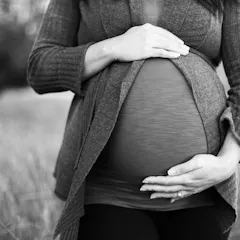
When a pregnancy lasts 42 weeks or more or complications arise, women will need to consider being induced.
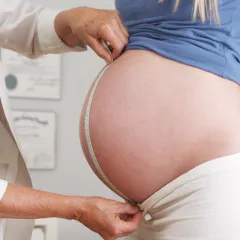
Stillbirths affect many women but the science of finding out which pregnancies are at risk hasn’t moved on as much as you would think.
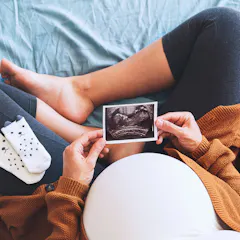
Tokophobia is a pathological fear of pregnancy and can lead to avoidance of childbirth.
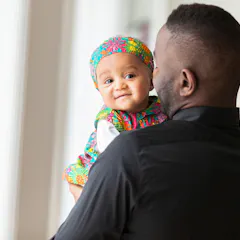
There are a number of barriers to a father’s involvement in the first 1000 days of his child’s life.

A court has ruled that pre-existing mental health problems can be taken into account.
Each year an estimated 100 000 women have complications during childbirth which leave them with obstetric vaginal fistula.

We recorded the first scientific evidence that having a baby affects women’s voices.

By showing us a world from which mothers are largely absent, Mary Shelley reminds us that the genius of motherhood lies less in biological reproduction than in the capacity to love.
While childbirth is often a joyful event, it rarely unfolds exactly how we think it will. This causes disappointment among some women, and leaves a small proportion with a diagnosis of postnatal PTSD.
New WHO guidelines warn that medicalisation of birth is creating a lack of choice for birthing women.
Top contributors
-

Professor of Midwifery, Associate Dean Research and HDR, Midwifery Discipline Leader, Western Sydney University
-
Caroline Homer is a Friend of The Conversation.
Deputy Director (Gender Equity, Diversity and Inclusion), Burnet Institute
-
Professor of Midwifery, Monash University
-
Assistant Professor of Obstetrics, Gynecology and Reproductive Biology, Harvard University
-
Professor in Midwifery, University of Sydney
-
Professor of Maternal and Child Health, University of Stirling
-
Senior Lecturer in Midwifery, Monash University
-
Associate professor, University of California, San Francisco
-
Professor of Midwifery and Dean in the Faculty of Health Sciences, Southern Cross University
-
Senior Research Fellow in Maternal and Reproductive Health, University of Hull
-
Associate professor, London School of Hygiene & Tropical Medicine
-
Associate Professor of Midwifery, Western Sydney University
-
NHMRC Early Career Fellow, The Kids Research Institute Australia
-
Lecturer, King's College London
-
Postdoctoral Fellow, University of Warwick