

Scientists who took part in an independent inquiry that refuted the ‘pyridine hypothesis’ faced widespread criticism and distrust from politicians and the media
Articles on Chemical pollution
Displaying 21 - 40 of 43 articles
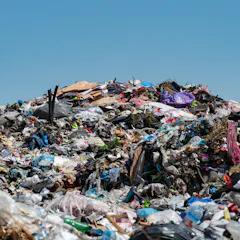
Due to their persistence and toxicity, strict regulation of PCBs should continue to be a top priority.

New research reveals how water containing the antidepressant Prozac affects male guppies, raising concerns about the health of aquatic ecosystems exposed to pharmaceutical pollution.
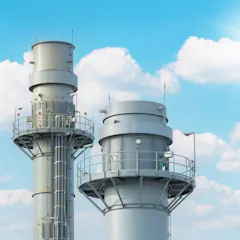
Factories producing non-stick coatings for cookware aren’t properly limiting emissions of one of the most potent greenhouse gases, our research suggests.
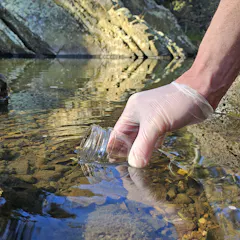
If you’re worried about pollution in the air we breathe, water we drink and food we eat, take time out to explore the evidence of harm and digest some practical advice on how to reduce your exposure.
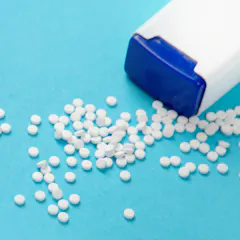
Artificial sweeteners aren’t metabolised by the human body, so they are excreted – and that’s where the environmental problems begin.

A new study sheds light on how important exposure to PFAS chemicals via the skin might be and indicates which chemical structures might be most easily absorbed.
A more precautionary approach is required for the regulation of PFAS chemicals, otherwise industries will continue polluting the environment without breaking any laws.
PFAS are commonly found in waterproof clothing, stain-resistant textiles, cosmetics and cookware. Here’s how to best minimise your exposure to these forever chemicals.

Pesticides present in pet flea and tick treatments pose a risk to human health and the environment - but monthly application as a preventative measure isn’t essential.

Research has revealed how British otters may have been able to recover from species loss in the 1950s with the help of otters from Asia.
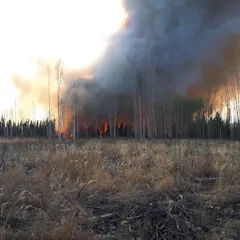
Peatlands safely store hundreds to thousands of years’ worth of humanity’s toxic legacy but climate change and physical disturbances are putting these pollution vaults, and us, at risk.
No place on Earth is free from pollution.
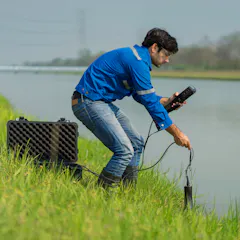
Toxic synthetic chemicals, called PFAS, are a serious threat to humans and wildlife – but many people are unaware of them.
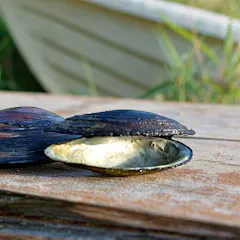
A new survey has revealed an alarming deterioration in the health of the River Thames ecosystem – but some of the recorded changes may be the result of a cleaner river.
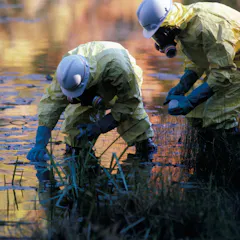
The production and release of synthetic chemicals worldwide is destabilising the Earth system.

The ghosts of our industrial and agricultural past continue to haunt freshwater ecosystems today.

New treatment can break down toxic substances into relatively harmless elements.

Other existential risks include the decline of natural resources (particularly water), human population growth beyond the Earth’s carrying capacity, and nuclear weapons.

PFAS have been used in everything from coffee cups to frying pans. But they’re toxic, and accumulating in the environment.
Top contributors
-

Professor of Biology, University of Portsmouth
-
Senior Lecturer in Chemical Engineering, University of Surrey
-
Associate Professor of Environmental Health, University of Birmingham
-
Professor of Water Science, Liverpool John Moores University
-
Professor of Environmental Chemistry and Head of Department of Environmental Sciences, Stockholm University
-
Assistant Professor, Faculty of Arts and Science, Nipissing University
-
Senior Lecturer in Ecology, Anglia Ruskin University
-
Associate Professor, Geosciences, Lund University
-
Professor of Chemistry, RMIT University
-
Professor, School of Engineering, University of Guelph
-
Professor of Environmental Chemistry, University of Birmingham
-
Associate Professor in Persistent Organic Pollutants, University of Birmingham
-
Professor of Biotechnology, Aston Institute for Membrane Excellence, Aston University
-
Senior Lecturer in Evolutionary Biology, Cardiff University
-
PhD Researcher, University of Bath