

Continuous tracking using real-time location systems is becoming increasingly common in hospitals and long-term care homes, raising questions about ethics and data use.
Articles on Caregiving
Displaying 21 - 40 of 127 articles

Is it possible to interpret babies’ cries in order to understand their needs accurately?

Dementia care costs are 5 times higher than the official figures suggest when you count the value of unpaid care.
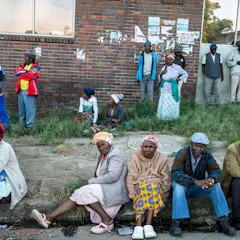
South Africa should back care for older people with real investment and action.

Recent immigration measures highlight deep inequalities in who gets recognized. An inclusive regularization strategy must go beyond sector-specific fixes.

Governments must ensure that caregiver support systems are in place, are flexible enough to respond to individual and family needs and enable natural support networks to flourish.

Up to 25% of infants diagnosed with abusive head trauma – otherwise known as shaken baby syndrome – die, and a substantial percentage who survive are left with long-term disabilities.

Women caregivers provide vital support for aging relatives, however, they often go without the support they need to do their work.

The link between household food insecurity and child malnutrition is stark: 28.8% of South African children under five suffer from stunting.

Caregivers shouldn’t have to impersonate the older adults they care for just to help pay some bills.

Healthy diet and regular exercise are key to treating obesity. But the stress of everyday racism and sexism hinder Black women from adopting lifestyle changes necessary for weight loss.

This unofficial and invisible safety net is widespread and operates at all income levels. But no one knows the actual scale of this web of informal transactions.
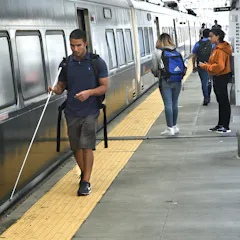
About 1 in 4 of the people with blindness or low vision who were surveyed said they spent less on food to be able to afford expenses associated with their disability.

Three-quarters of health care in Canada is provided at home by unpaid family caregivers. Not only is this essential health-care work often unrecognized and under-supported, it is rapidly changing.

Her proposal is aimed at easing the burden for family caregivers. She says that negotiating lower drug prices for Medicare could cover the cost of this expansion of benefits for older Americans.

With the proper help, resources and coping strategies, caregivers can navigate challenges and provide meaningful support to their relatives from afar.

Immigration, Refugees and Citizenship Canada must expedite all pending permanent residence applications for migrant care workers to ensure timely family reunification for these essential workers.

When boomers pick out an article of clothing for the elderly, they consider not only the practical aspects like comfort and ease of care, but also how the item will make them feel.

Although millions are navigating long COVID, four years into the pandemic both patients and their caregivers continue to face challenges accessing the information and care they need.

Showing and celebrating that men care – and presenting positive public images of what men do for family – is vital to wider societal wellbeing and health
Top contributors
-

Doctoral Candidate, Aging, Health and Well-being, University of Waterloo
-
Professor of Sociology, University of Cape Town
-
Assistant Professor, Faculty of Health Sciences, Simon Fraser University
-
SARChI: Human Capabilities, Social Cohesion and the Family, University of the Western Cape
-
Professor, Faculty of Science, McMaster University
-
Assistant Professor, Arthur Labatt Family School of Nursing, Faculty of Health Sciences, Western University
-
Professor, Department of Anthropology, University of Toronto
-
Research fellow, Stellenbosch University
-
Professor, Canada Research Chair in Determinants of Child Development, Owerko Centre at the Alberta Children’s Hospital Research Institute, University of Calgary
-
Gerontologist, University of Waterloo
-
Professor of Sociology, University of Lincoln
-
Professor and Canada Research Chair in Person Centred Interventions for Older Adults with Multimorbidity and their Caregivers, School of Nursing, McMaster University
-
Professor and Co-Director, Research on Aging, Policies and Practice, University of Alberta
-
Professor of Public Administration and Policy, American University School of Public Affairs
-
Professor of Sociology and Founding Director of The Future of Work Lab, Podcast at MissPerceived, The University of Melbourne