

Showing and celebrating that men care – and presenting positive public images of what men do for family – is vital to wider societal wellbeing and health
Articles on Caregiving
Displaying 41 - 60 of 128 articles

Canada is one of the few high-income countries that doesn’t have a national caregiver strategy. The emotional, physical and economic costs of caregiving need to be recognized and supported.
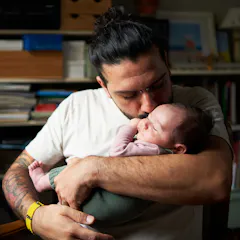
One of the first longitudinal studies of male brain changes across the transition to first-time parenthood finds that becoming a dad affects the brain – without the direct experience of pregnancy.
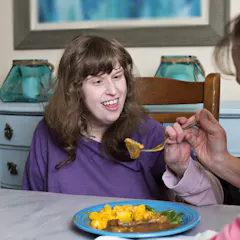
Paying the caregivers of people with disabilities more would improve care while increasing economic growth, a research team found.

Most caregiving work is done by women. However, many contend with trying to balance their caregiving responsibilities with their own well-being and aspirations.
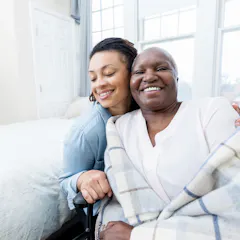
Including the family in a patient’s treatment plan can help shorten hospital stays and assist in recovery. But caregivers often pay a price.

Canadians can make National Caregiver Day count by celebrating carer-employees and supporting the creation of carer-friendly supports in the workplace.
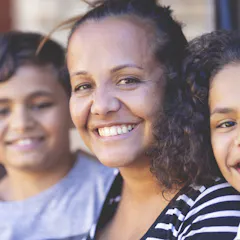
To First Nations women, ‘care’ is more broad and all-encompassing than traditional definitions. We need a new approach to capturing, and appreciating, their work, paid and unpaid.

Research shows a classed and racialized divide among women caring for their children in Canada today. It’s a divide that is having a negative financial impact on immigrant women doing this work.

Michigan Gov. Gretchen Whitmer’s proposed tax credit is part of a trend toward public support for family caregiving.

In addition to asking health-care systems to prepare to end suffering of mental illness through Medical Assistance in Dying (MAID), we must ask policymakers to support better lives for families.

Family caregivers who have stronger support networks and positive communication with loved ones tend to be more resilient.

The latest State of the World’s Fathers report found a shift in attitudes. In 15 countries, between 70% and 90% of men agreed with the statement, “I feel as responsible for care work as my partner.”

While both nursing homes and home care impose financial burdens, their differing structures can influence how older Canadians save money.

Dementia care in South Asian households is shaped by cultural, familial and societal forces that bring benefits and challenges.

Women’s wellbeing paradox: unhappier than men but more social, with higher levels of emotional resilience.
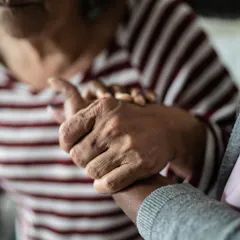
Discrimination, isolation and stigma related to sexual orientation or gender identity likely contribute to the higher rates of depression and lower quality of life of LGBTQ+ caregivers.

Traditional report cards sent home every few months are fine for most students. But for kids with behavioral issues, a daily report card can be a better option.
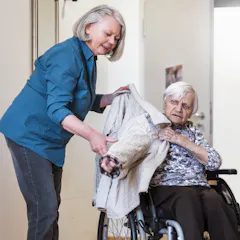
The law changed older adults’ caregiving behavior because their children became more able to take paid time off work to care for their own newborns.

The seven-minute episodes show characters dealing with difficult emotions like fear and grief through play.
Top contributors
-

Doctoral Candidate, Aging, Health and Well-being, University of Waterloo
-
Professor of Sociology, University of Cape Town
-
Assistant Professor, Faculty of Health Sciences, Simon Fraser University
-
SARChI: Human Capabilities, Social Cohesion and the Family, University of the Western Cape
-
Professor, Faculty of Science, McMaster University
-
Associate Professor, Arthur Labatt Family School of Nursing, Faculty of Health Sciences, Western University
-
Professor, Department of Anthropology, University of Toronto
-
Research fellow, Stellenbosch University
-
Professor, Canada Research Chair in Determinants of Child Development, Owerko Centre at the Alberta Children’s Hospital Research Institute, University of Calgary
-
Gerontologist, University of Waterloo
-
Professor of Sociology, University of Lincoln
-
Professor and Canada Research Chair in Person Centred Interventions for Older Adults with Multimorbidity and their Caregivers, School of Nursing, McMaster University
-
Professor and Co-Director, Research on Aging, Policies and Practice, University of Alberta
-
Professor of Public Administration and Policy, American University School of Public Affairs
-
Professor of Sociology and Founding Director of The Future of Work Lab, Podcast at MissPerceived, The University of Melbourne