

The negative health effects of Y chromosome loss could be one potential reason women tend to live longer than men.
Articles on Cardiovascular disease
Displaying 81 - 100 of 229 articles

Despite the popular belief that vitamin E and beta carotene supplements help prevent heart disease and cancer, the latest research suggests they do not – but the supplements do have potential risks.

Heart disease is the leading cause of death in Australia. And it doesn’t affect everyone equally.

Research has been inconclusive on the degree to which drinking alcohol leads to the growth of harmful fat. But a new study suggests that beer and spirits are far bigger culprits than wine.

Cardiac rehabilitation is a low-cost approach with proven benefits for heart patients, that drastically lowers future cardiac risks. So why do only 10 to 25 per cent of heart patients access it?

Eating half an avocado twice a week could slash your risk of getting heart disease.

Melatonin may play a role in protecting people who have had a heart attack, but the evidence is still unclear.

New review suggests many don’t benefit massively from taking a daily statin.

A one-size-fits-all approach may not be best for treating cardiovascular disease. Taking sex chromosomes into account could make for more effective and equitable care.

New research shows that a ban on aggressive hi-vis promotion of sugary drinks could be far more successful in reducing consumption than a sugar tax.

In more than half the cases of sudden cardiac death during sex, the heart was found to be structurally normal.

A bit of alcohol may protect your heart, but binge drinking could send it into a dangerous flutter.
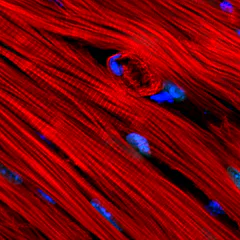
Heart disease can change the genetic structure of heart cells. Understanding the role that mechanical forces play in these changes could lead to improvements in artificial tissue design.

Everything from where your coffee is grown right down to how it’s brewed can affect what health benefits it might have.

ECMO uses an artificial heart and lung to replace the entire function of the person’s own heart and lungs outside the body. And COVID is demanding more ECMO than we’ve ever used before.

A new study shows that the more physically active a person, the more calcium build-up they have in their coronary arteries.
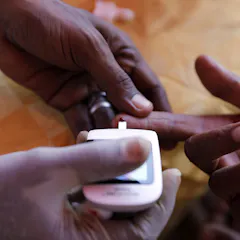
Targets for diabetes would improve healthy lives, reduce deaths, and be cost effective. But they should not be for managing diabetes alone; they must include treating hypertension.

Cutting out dairy, eggs and meat is thought to prevent and reverse heart disease. But as our latest study shows, the evidence doesn’t back this claim up.
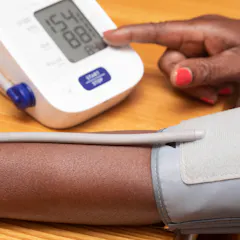
Current blood pressure targets are based on information from high-income countries. This might mean that these targets are not ideal for South Africans.

Workplace-based interventions could make a substantial contribution to reducing the burden of noncommunicable diseases in the country.
Top contributors
-

Senior Lecturer in Chemical Pathology, University of Westminster
-
Member, IMPART (Inflammation & Metabolism, Physical Ability, & Research Translation) Network, Dalhousie University
-
Clinical Associate Professor, University of Sydney
-
Affiliate Scientist, KITE Research Institute, Adjunct Professor, Department of Physical Therapy, University of Toronto
-
Executive Director, George Institute Australia; Professor of Medicine, UNSW
-
Vice-Chancellor's Distinguished Fellow, UNSW
-
Postdoctoral Research Fellow, Epidemiology, University of Cambridge
-
Professor of Global Health, Institute for Applied Research, University of Birmingham
-
Team Head, Cardiovascular Disease Prevention, QIMR Berghofer
-
Professor of Nursing and Director of Health Innovations, University of Wollongong
-
Professor, University of Pretoria
-
Research Fellow, University of Cambridge
-
SHARP Professor of Cardiovascular Medicine, UNSW
-
Senior research associate, Northumbria University, Newcastle
-
Associate lecturer, Nutritional Biochemistry, University of Hertfordshire