

Leg pain can be a symptom of peripheral artery disease, a condition that is part of the same disease process that causes heart attacks and many strokes.
Articles on Heart attack
Displaying 1 - 20 of 129 articles
Life-changing advances in cardiovascular medicine enabled Cheney to live a productive life well beyond what many heart patients experience. But prevention is the most effective tool of all.
Recent headlines suggested that a common heart attack drug ‘doesn’t work’ and may be fatal for women. A cardiologist reviews the evidence.

Catching the flu or COVID can trigger a heart attack or stroke in vulnerable people. Here’s what we can all do to lower our risk.

The problem of using male anatomy as the default in medicine is that it doesn’t always read across to female bodies.

Patients with chest pain who have a sedentary lifestyle are at higher risk for more heart problems and death within the year following hospitalization.

Insomnia and bad sleep can lead to high blood pressure and increase hormone levels and inflammation.

The current system − daylight saving time and early school start times − wastes billions while causing more car accidents, workplace injuries and health issues.

Women with a higher genetic risk of depression are more likely to develop heart disease – even if they’ve never had a diagnosis of depression or other psychiatric disorders.

If obesity trends continue on the current trajectory, more than 80% of US adults will be overweight or obese.
Cardiovascular disease develops and presents differently in women and men. But medical guidelines are often based on studies that excluded women.

Anatomical and physiological differences in the cardiovascular system directly reflect on the way heart disease manifests in women versus men.

We’re already seeing the impacts of weather extremes on key parts of our lives, from the food we eat to the roads we use and our health.
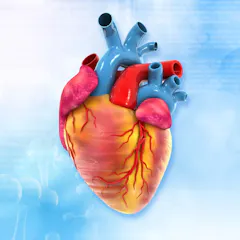
A cardiac arrest and a heart attack are distinct, yet overlapping, concepts. Here’s how to tell them apart.

Elvis died on the toilet, possibly of a heart attack. A new Australian-led study involving thousands of people sheds new light on how constipation and heart attacks are linked.

A simple switch from regular salt to salt substitute alternatives will help reduce the risk of heart attack, stroke and kidney disease. It would also provide much-needed health expenditure savings.

The findings of this recent study adds to a growing body of evidence linking microplastics with health harms.

New Zealand is just the second country to approve a novel defibrillation procedure for some patients. With current survival rates very low, it is hoped the new method will save many more lives.

It’s important for women to not only be aware of their risk for heart disease, but also how they can be proactive and make informed decisions regarding their heart health at all stages of life.

Potassium-enriched salt tastes like regular salt and you don’t need to change how you cook or season your food. You just need to switch the type of salt you buy.
Top contributors
-

Professor of Medicine, University of Sydney
-
Professor of Health Sciences, Simon Fraser University
-
Executive Director, George Institute Australia; Professor of Medicine, UNSW
-
Senior Research Fellow, Cardiovascular Division, George Institute for Global Health
-
Member, IMPART (Inflammation & Metabolism, Physical Ability, & Research Translation) Network, Dalhousie University
-
Medical doctor, PhD candidate in cardiology, Monash University
-
Vice-Chancellor's Distinguished Fellow, UNSW
-
Cardiologist at Westmead Hospital; Director of the Westmead Applied Research Centre, University of Sydney
-
Department Chair and Professor of Biochemistry and Molecular Genetics, University of Illinois Chicago
-
Professor of Cardiovascular Molecular Medicine and Genetics, University of Leicester
-
Clinical Associate Professor, University of Sydney
-
Professor at ANU Medical School; Senior Staff Specialist Infectious Diseases; General Physician, Australian National University
-
Group Leader, Health Services, Digital Productivity Flagship, CSIRO
-
Senior Lecturer in Clinical Pharmacology, Queen Mary University of London
-
Senior Lecturer, Biomedical Sciences, University of Aberdeen