

Sleep deprivation’s silent impact on heart health, according to new research.
Articles on Cardiovascular disease
Displaying 21 - 40 of 229 articles

The landmark study, which enrolled more than 160,000 participants and has informed public health guidelines for women over 50, is still making tremendous contributions to women’s health.

The incidence of cardiovascular disease varies according to sex and age. Research shows that it also varies by gender, so it is important to considering this when doing research.
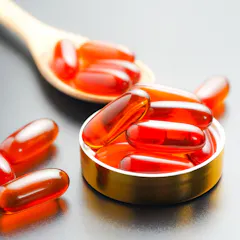
A team of researchers discovered that taking omega-3 supplements can reduce the risk of developing type 2 diabetes and cardiovascular disease.

A more nuanced understanding of hormone therapy now suggests that its benefits for heart health depend on how soon after menopause onset it is prescribed.

If Australia followed England’s lead and listed drugs such as Wegovy on the PBS for weight loss, this could bring the cost down from around $500 a month to $31.60.

People of African descent often have non-communicable and infectious diseases at the same time. Research needs to be done into integrated treatment.

Despite calls from some corners to switch from canola oil and corn oil to beef tallow, the move is unlikely to make Americans healthier.

You might have heard that eating too many eggs will cause high cholesterol levels, leading to poor health. But what does the latest science say?

The impact of air pollution on African populations is under-researched due to limited air quality data and health studies.

People who feel lonely tend to have higher levels of five key proteins.

Starting with as little as 1-2 hours a week can reduce risk of death from cardiovascular disease by up to 20%.
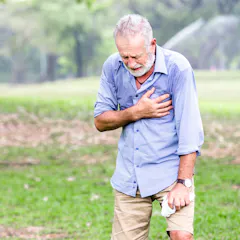
‘Cough CPR’ is blowing up on social media. But it’s not to be recommended.

A type of irregular heartbeat is common over the festive season. Here’s what you need to know if you’ve had a few drinks.

As cardiovascular disease continues to affect millions worldwide, adapting heart health education to reflect cultural realities is a practical, patient-centred strategy for improving health outcomes.

Heart-related diseases are the leading cause of death for women worldwide. But bystanders are less likely to intervene to perform CPR on a woman than a man.

Among the common but lesser-known consequences of intimate partner violence is a heightened risk for cardiovascular disease.

Ultrafine particles are approximately one-thousandth the width of a human hair. But because of their tiny size, they are easily inhaled – and typically more dangerous than larger particles.
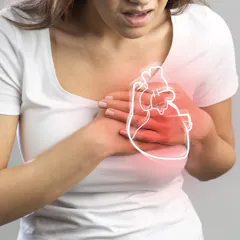
Cardiovascular disease develops and presents differently in women and men. But medical guidelines are often based on studies that excluded women.

Turns out, standing all day may be just as bad for you as sitting all day.
Top contributors
-

Senior Lecturer in Chemical Pathology, University of Westminster
-
Member, IMPART (Inflammation & Metabolism, Physical Ability, & Research Translation) Network, Dalhousie University
-
Clinical Associate Professor, University of Sydney
-
Affiliate Scientist, KITE Research Institute, Adjunct Professor, Department of Physical Therapy, University of Toronto
-
Executive Director, George Institute Australia; Professor of Medicine, UNSW
-
Vice-Chancellor's Distinguished Fellow, UNSW
-
Postdoctoral Research Fellow, Epidemiology, University of Cambridge
-
Professor of Global Health, Institute for Applied Research, University of Birmingham
-
Team Head, Cardiovascular Disease Prevention, QIMR Berghofer
-
Professor of Nursing and Director of Health Innovations, University of Wollongong
-
Professor, University of Pretoria
-
Research Fellow, University of Cambridge
-
SHARP Professor of Cardiovascular Medicine, UNSW
-
Senior research associate, Northumbria University, Newcastle
-
Associate lecturer, Nutritional Biochemistry, University of Hertfordshire