
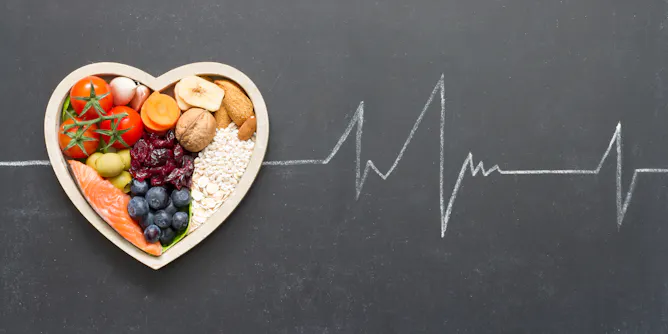
Heart-healthy diets are vital in cardiac rehab, but cost, complex guidelines and cultural barriers can make them hard to follow. Community support and personalized, affordable plans can help.
Articles on Cardiovascular disease
Displaying 41 - 60 of 229 articles

Changes to the bacterial balance in the mouth can trigger inflammation and other harmful effects in the body.
Anatomical and physiological differences in the cardiovascular system directly reflect on the way heart disease manifests in women versus men.

Elvis died on the toilet, possibly of a heart attack. A new Australian-led study involving thousands of people sheds new light on how constipation and heart attacks are linked.
If you take a daily low-dose aspirin to prevent heart disease and you’ve never had heart problems before, you might want to talk to your doctor.

Research shows cardiac patients want to understand heart events, adopt heart-healthy diets, manage medications, recognize symptoms, control risk factors and engage in cardiac rehabilitation programs.
When we look at the study itself, it seems the media coverage has focused on a tiny aspect of the research, and is misleading.

After this model was implemented, the gap in heart health outcomes we measured between First Nations and non-Indigenous patients closed.

A gene can help explain why people who easily trust others have better health.

Maybe testosterone replacement therapy isn’t such a bad idea.
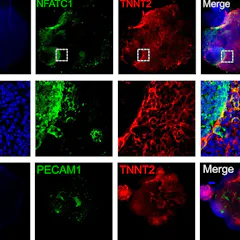
Human heart organoids allow researchers to study the developing heart while avoiding the ethical issues of using human embryos and the imperfections of animal models.

The so-called ‘thumb-palm’ test may tell if you are at risk of a ballooning artery. But the evidence is far from certain.

New research confirms that COVID-19 vaccines are safe and effective at reducing the cardiovascular complications that are a hallmark of COVID-19 infection.

Recent research found eating within an eight-hour window increased risk of death from heart disease. But it’s complicated.
Researchers designed an ultrathin pacemaker that can be implanted via minimally invasive techniques, potentially improving recovery time and reducing the risk of complications.

The Atlantic diet draws inspiration from the traditional eating habits of people living in Spain and Portugal.

Potassium-enriched salt tastes like regular salt and you don’t need to change how you cook or season your food. You just need to switch the type of salt you buy.

Heart rates that are too slow or too fast can sometimes be lethal. Medical implants can help the heart get its rhythm back.
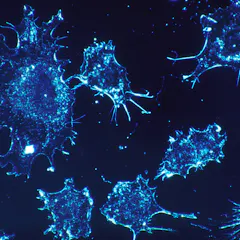
From math to evolutionary game theory, looking at cancer through different lenses can offer further insights on how to approach treatment resistance, metastasis and health disparities.
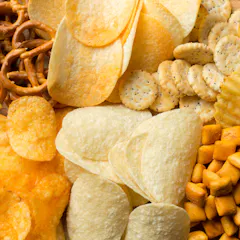
Eating too much salt is bad for our health. Governments and food manufacturers have a big role to play in reducing the salt content of Australians’ diets.
Top contributors
-

Senior Lecturer in Chemical Pathology, University of Westminster
-
Member, IMPART (Inflammation & Metabolism, Physical Ability, & Research Translation) Network, Dalhousie University
-
Clinical Associate Professor, University of Sydney
-
Affiliate Scientist, KITE Research Institute, Adjunct Professor, Department of Physical Therapy, University of Toronto
-
Executive Director, George Institute Australia; Professor of Medicine, UNSW
-
Vice-Chancellor's Distinguished Fellow, UNSW
-
Postdoctoral Research Fellow, Epidemiology, University of Cambridge
-
Professor of Global Health, Institute for Applied Research, University of Birmingham
-
Team Head, Cardiovascular Disease Prevention, QIMR Berghofer
-
Professor of Nursing and Director of Health Innovations, University of Wollongong
-
Professor, University of Pretoria
-
Research Fellow, University of Cambridge
-
SHARP Professor of Cardiovascular Medicine, UNSW
-
Senior research associate, Northumbria University, Newcastle
-
Associate lecturer, Nutritional Biochemistry, University of Hertfordshire