
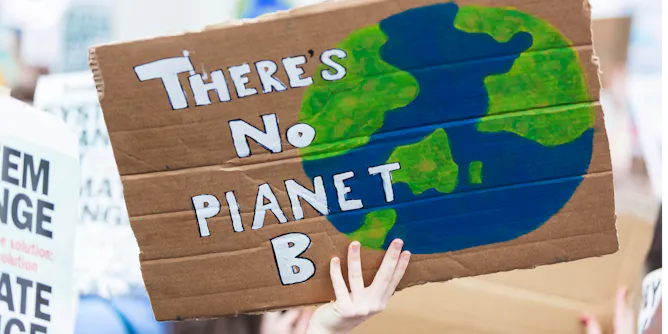
Temperature rise of more than 1°C pushes us towards irreversible climate tipping points, yet Earth is 1.2°C warmer than in pre-industrial times.
Articles on Carbon capture
Displaying 21 - 40 of 72 articles
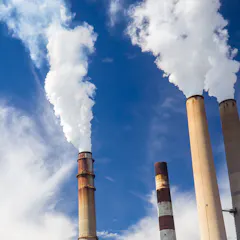
Fossil fuel power plants can avoid most emissions by capturing carbon dioxide and pumping it underground. But to be a climate solution, that carbon has to stay stored for thousands of years.
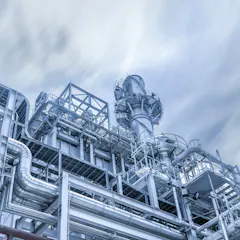
Carbon capture and storage could keep fossil fuel power plants running under newly proposed federal emissions standards, but it faces high hurdles.
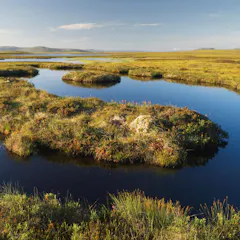
Peatlands have always had a place in art, writing and poetry. In times of global warming these cultural reflections can help open up debate about the biodiversity and climate crisis.
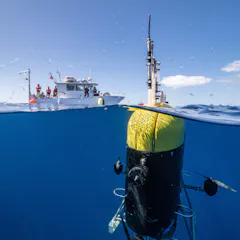
The ocean twilight zone could store vast amounts of carbon captured from the atmosphere, but first we need a 4D monitoring system to ensure ramping up carbon storage does no harm.

People are starting to notice the weather and climate, and to understand climate change better than ever before.
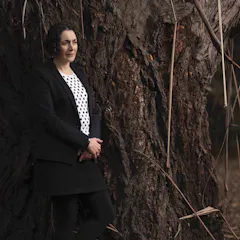
The science tells us this is our last chance to avert planetary disaster. Accepting our feelings of intense loss – for ourselves and the Earth – can propel us into action, writes Joelle Gergis.
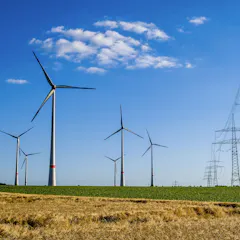
To put the $370 billion in subsidies to work, the US needs to build new infrastructure and manage a lot of regulatory hurdles.
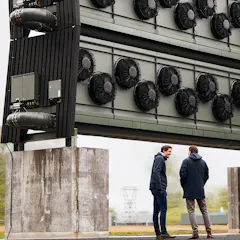
One estimate suggests at least a sixth of all emissions cuts expected from the Inflation Reduction Act would come from carbon capture.
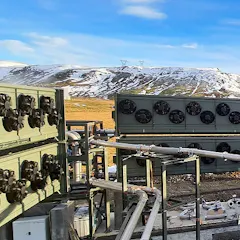
A climate scientist looks at what works and some popular ideas that aren’t as cheap or effective as people hope.
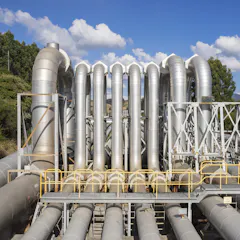
Our research shows NZ’s potential to burn forestry waste and capture the emissions in geothermal wells. But we’ll need new partnerships between power generators, manufacturers and the forestry sector.
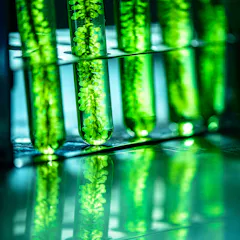
New developments in microalgae cultivation are helping to propel the potential of renewable biofuels to combat climate change.
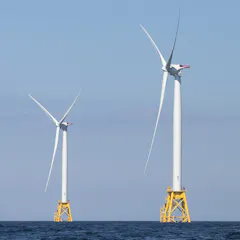
Wind turbines often can produce more power than is needed for electricity onshore. That extra energy could be put to work capturing and storing carbon.
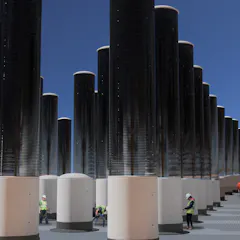
Klaus Lackner is finding new ways to cut the technology’s high costs and energy demand, and he’s about to launch the first ‘mechanical tree’.
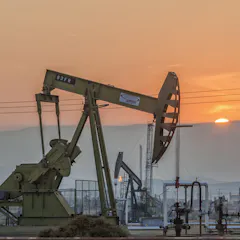
Most carbon dioxide captured in the U.S. today is used to extract more oil. Two scholars point to another way: biological sequestration.
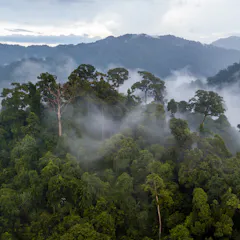
The audio version of an in-depth article on why there aren’t enough trees to offset society’s carbon emissions – and there never will be.
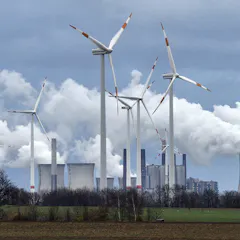
The Senate has disallowed a government regulation that would have allowed the ARENA to invest in technologies such as carbon capture and storage and “blue hydrogen” using fossil fuel.

Carbon has overshadowed forests in climate policies, leading to practices that appear green but actually harm forests.

A large-scale survey asked people exactly that. One use of recycled carbon dioxide stood out.
The Morrison government could have backed Australia’s clean energy sector to create jobs and stimulate the post-pandemic economy. Instead, it’s sending the nation on a fool’s errand.
Top contributors
-

Professorial Fellow, University of Canberra
-
Director of Research and Innovation, School of International Studies, Macquarie University
-
CO2Chem Network Manager, University of Sheffield
-
Professor of Advanced Energy Research, Director of the Global CO2 Initiative, University of Michigan
-
Professor, School of Economics, The University of Queensland
-
Professor of Engineering and Director of the Center for Negative Carbon Emissions, Arizona State University
-
Senior Lecturer, Grantham Institute - Climate Change and Environment, Imperial College London
-
Professor of Chemical Engineering and Chemistry, University of Sheffield
-
Senior Lecturer in Geography, University College Dublin
-
PhD researcher, School of Geographical and Earth Sciences, University of Glasgow
-
Professor of Energy Engineering, University of Glasgow
-
Assistant Professor of Biology, University of Texas at Arlington
-
Assistant Director of the Global Systems Institute, University of Exeter
-
Senior Research Engineer, Massachusetts Institute of Technology (MIT)
-
Emeritus Professor of Sociology, Australian National University