
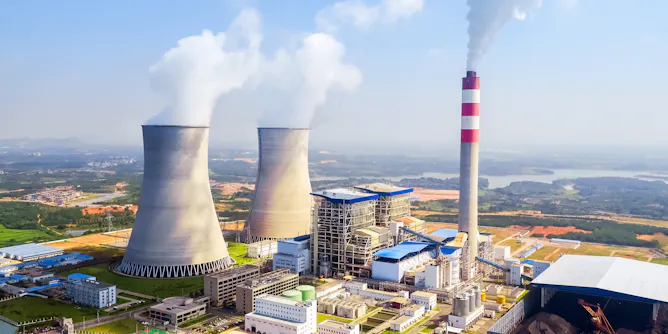
Carbon dioxide removal is different to carbon capture, utilisation and storage. It’s easy to confuse the two processes but they tackle different problems.
Articles on Direct air capture
Displaying 1 - 20 of 21 articles

The Humber’s high output of clean energy could power direct air capture units and provide fossil-free CO₂.
Surpassing 1.5°C of warming can be undone at a later date – using tech, land and resources that don’t exist.

To fight global warming we will soon have to try to remove carbon dioxide from the skies or find ways to reflect the Sun’s heat. Such radical paths must be examined, but risky experiments avoided.
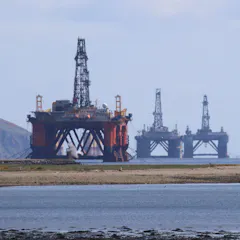
This could be one reason to leave these rigs in the sea.

Some geoengineering techniques are better understood than others. The US is investing in capturing carbon dioxide from the air, but ideas to block the Sun’s rays are raising big concerns.

With tourists flocking in droves to ‘experience’ heat waves, perhaps it’s time for everyone to take a good hard look at their individual contribution to global warming.

Airlines are investing in sustainable biofuel startups and starting to uses alternative fuels, including cooking oil, ag waste and corn ethanol. But biofuels alone won’t be enough, research shows.
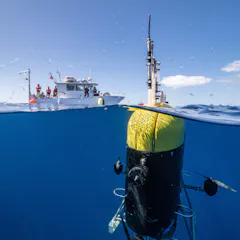
The ocean twilight zone could store vast amounts of carbon captured from the atmosphere, but first we need a 4D monitoring system to ensure ramping up carbon storage does no harm.

Carbon offsetting is often met with scepticism, but a new report suggests that if correctly designed it can be an important part of the net zero transition.
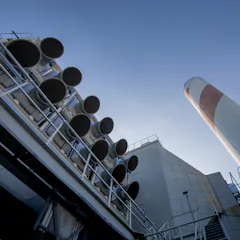
The cost of deploying a direct air capture unit must fall while the cost of emitting CO₂ rises.
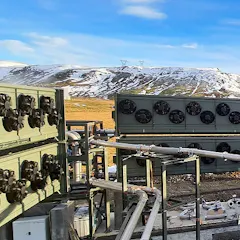
A climate scientist looks at what works and some popular ideas that aren’t as cheap or effective as people hope.
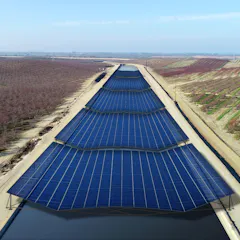
From pulling carbon dioxide out of the air to turning water into fuel, innovators are developing new technologies and pairing existing ones to help slow global warming.
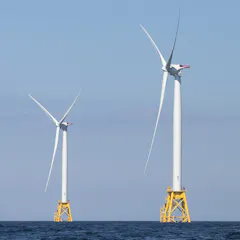
Wind turbines often can produce more power than is needed for electricity onshore. That extra energy could be put to work capturing and storing carbon.
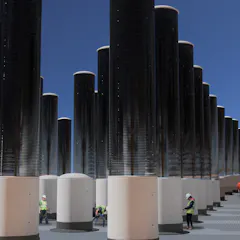
Klaus Lackner is finding new ways to cut the technology’s high costs and energy demand, and he’s about to launch the first ‘mechanical tree’.
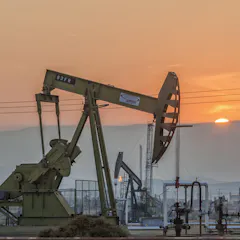
Most carbon dioxide captured in the U.S. today is used to extract more oil. Two scholars point to another way: biological sequestration.

An engineered climate recovery needs to be taken seriously — in addition to cutting emissions.
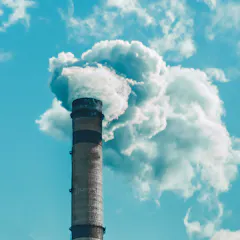
CO₂ is used in a range of industries, from food production to pharmaceuticals.
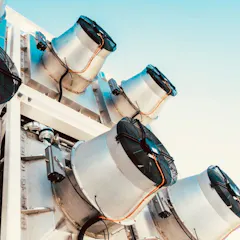
Machines using giant fans and filters can literally suck carbon dioxide out of the air. Sounds great – but the technology faces many challenges.
Carbon Engineering’s clever harnessing of high-school chemistry is just a small step on the path to negative emissions.
Top contributors
-

Lecturer (Assistant Professor) of Renewable Energy and Carbon Removal, University of Hull
-
Lamont Research Professor, Columbia University
-
Professor & Director, Net Zero Institute, University of Sydney
-
Ph.D. Student in Earth System Science, University of California, Irvine
-
Professor of Chemical Engineering and Chemistry, University of Sheffield
-
Professor of Engineering and Director of the Center for Negative Carbon Emissions, Arizona State University
-
Director, Woods Hole Oceanographic Institution
-
Professor of Physical Climate Change; Director of the Priestley Centre for Climate Futures, University of Leeds
-
Professor, School of Earth and Ocean Sciences, University of Victoria
-
Research Professor of Geology, University of California, Riverside
-
Researcher, National Renewable Energy Laboratory
-
Distinguished Professor of Engineering, University of California, Merced
-
Professor, Rhetoric, Writing and Communications, University of Winnipeg
-
Lecturer in Inorganic Chemistry, Keele University
-
Professor of Earth System Science, University of California, Irvine